Prefabricated Concrete Modular Housing
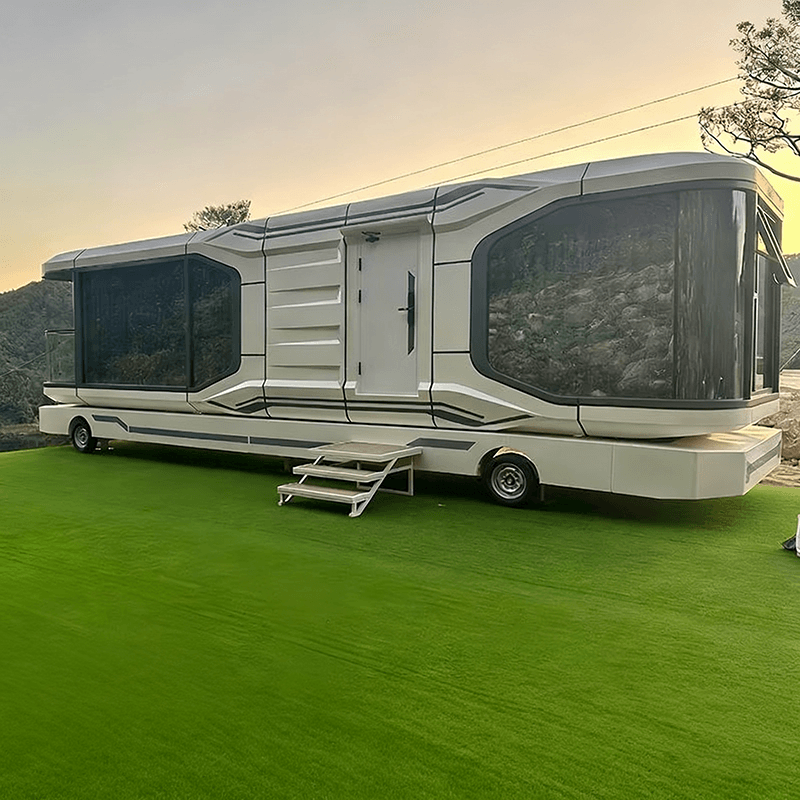
Prefabricated concrete modular housing is a modular construction model that breaks down buildings into independent modules, which are prefabricated in factories and then transported to the site for assembly.
Construction Process and Characteristics
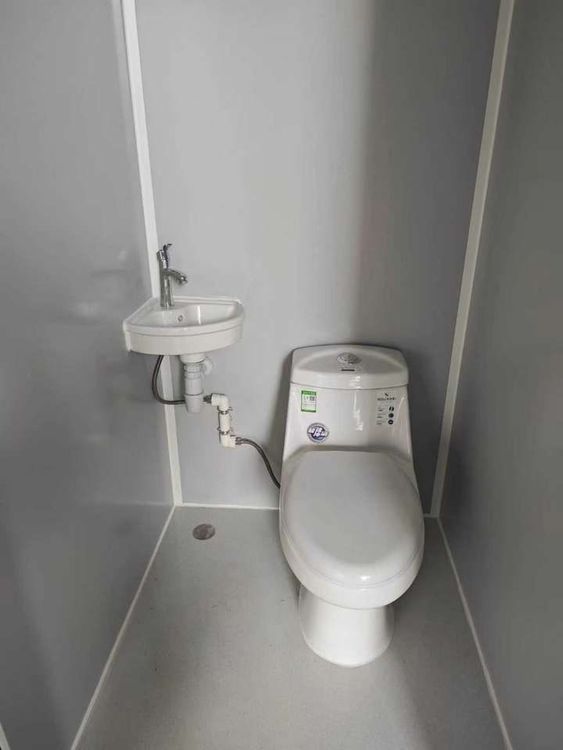
The core of prefabricated concrete modular housing lies in "factory prefabrication + on-site assembly." Components such as ceilings, walls, waterproof layers in bathrooms, floors, and plumbing and electrical lines are all prefabricated on factory assembly lines to form standardized modules. These modules are transported to the construction site using specialized transportation tools and then precisely assembled using equipment like tower cranes, much like building with blocks, to form a complete building. For example, a real estate project in Shanghai installed prefabricated modules using tower cranes, while a public housing project in Shenzhen assembled five nearly 100-meter-high residential buildings using 6,028 concrete modules, both demonstrating the operability of this model.
Advantage Analysis
Compared to traditional construction methods, modular construction offers significant advantages:
- Shorter Construction Time: The public housing project in Shenzhen reduced its completion and delivery time from 2.5-3 years to 1 year through modular construction, improving efficiency by over 50%.
- Consistent Quality: Standardized production in a factory environment reduces human errors, ensuring precision and stability in component quality.
- Energy Efficiency and Environmental Protection: On-site labor is reduced by approximately 50%, while noise, dust, construction waste, and traffic congestion are significantly decreased.
- Easy Maintenance: Modular design facilitates later repairs or component replacements, extending the building's service life.
Limitations
This model places extremely high demands on industrial infrastructure and relies on three key support systems:
- Technical System: Mastery of core technologies such as module design, connection nodes, and seismic performance is required.
- Production System: Factories must have high-precision production lines and the capacity for large-scale production.
- Industrial Cluster: A complete industrial chain collaboration from design and production to transportation and installation must be established.
Currently, prefabricated concrete modular housing is primarily applied to standardized projects such as public housing and apartments. In the future, as technology matures and costs are optimized, its application scope is expected to further expand.