Prefabricated Concrete Mini House
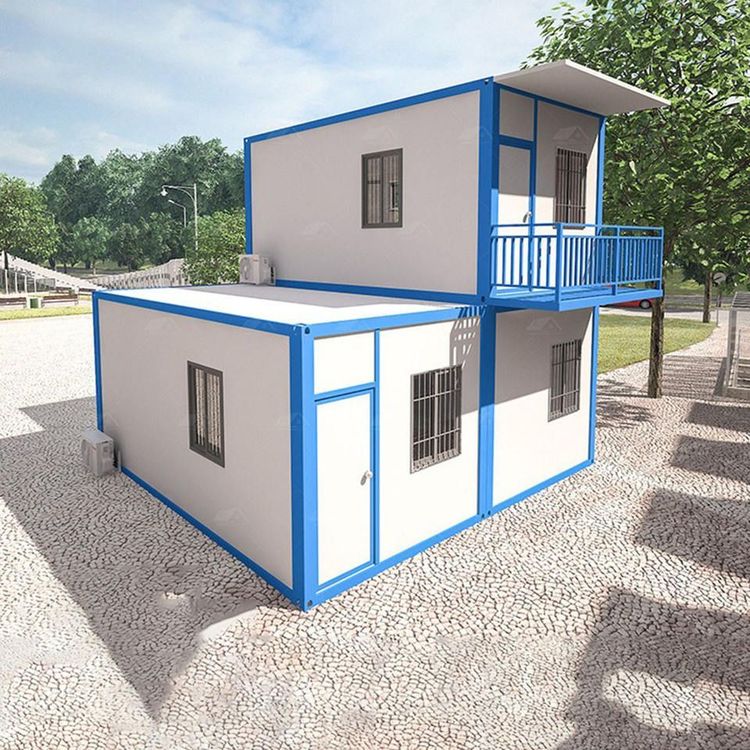
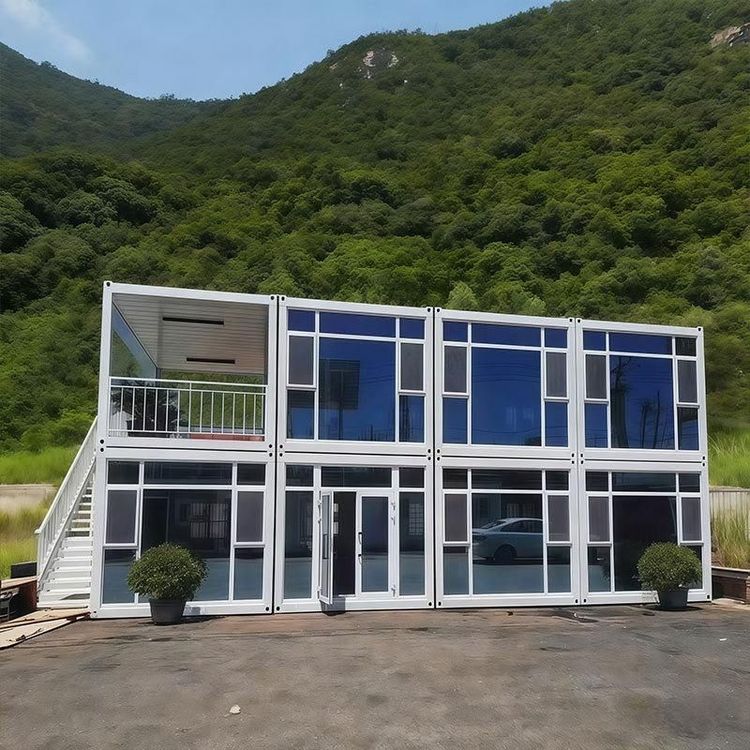
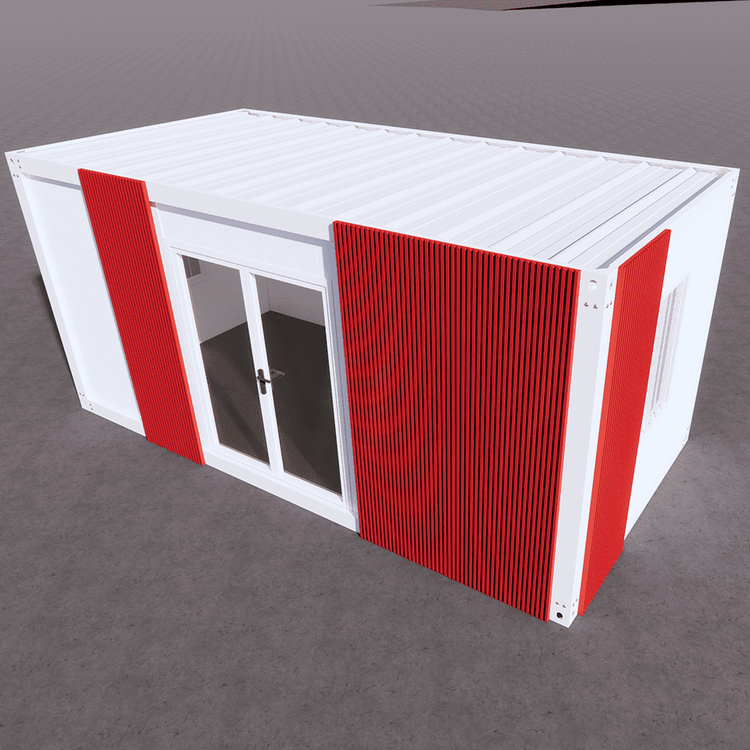
Prefabricated concrete mini houses are a type of prefabricated assembled building, produced industrially through the manufacturing of components and assembled on-site. They feature complete functionality, diverse technologies, and significant cost advantages, but have relatively low acceptance in rural China.
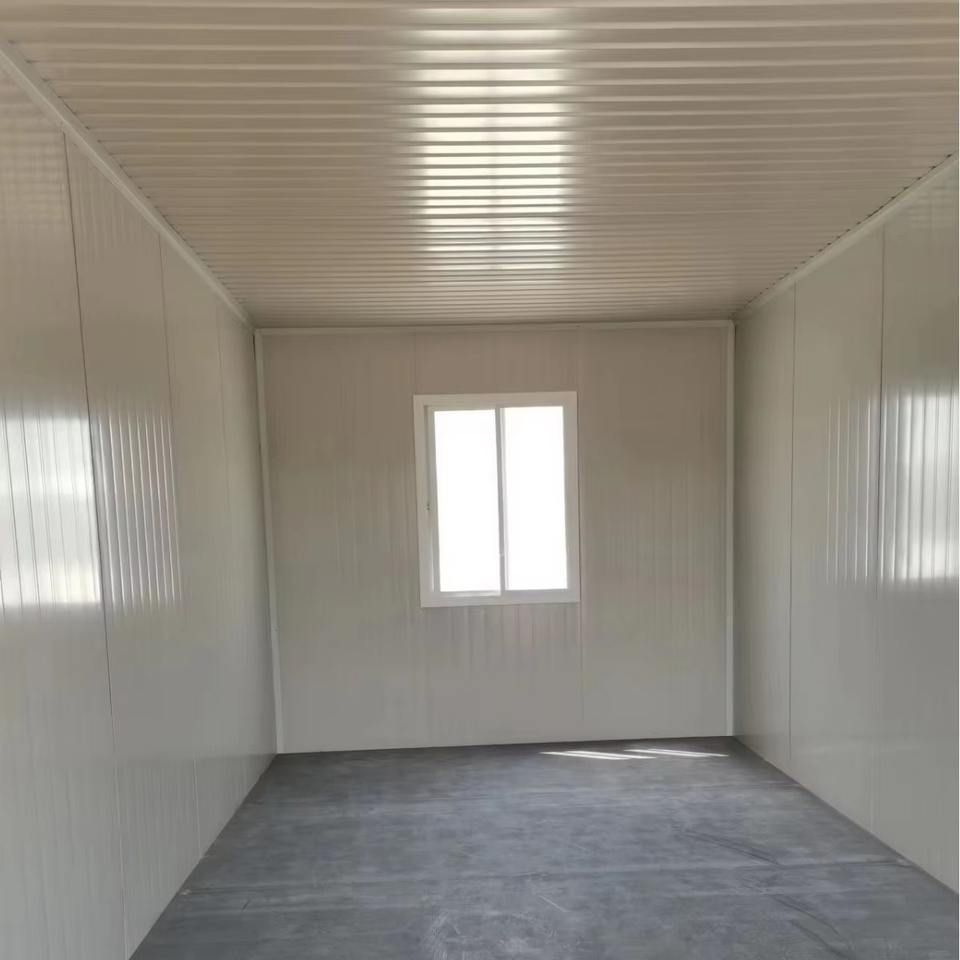
Industrial Production and Assembly Model
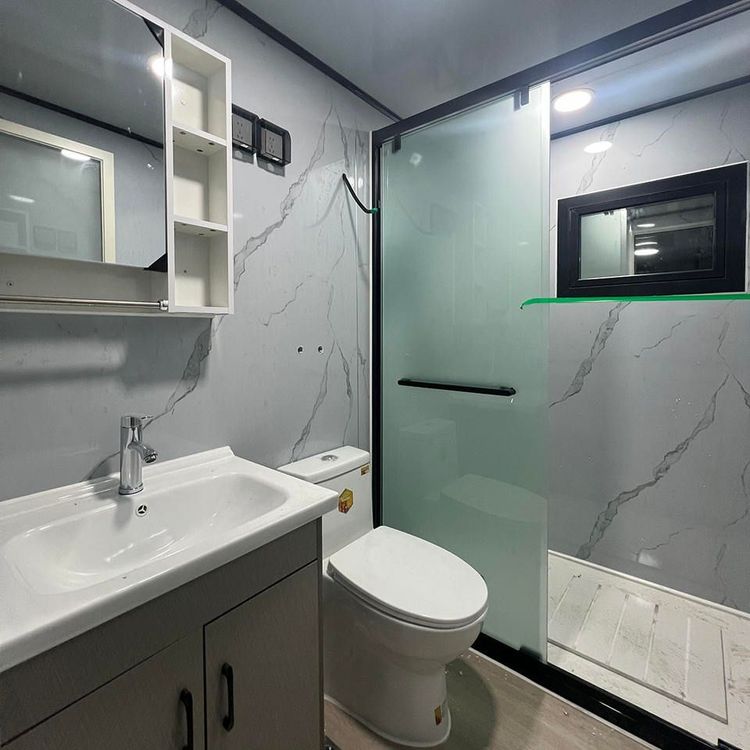
The core of prefabricated concrete mini houses lies in 'prefabrication' and 'assembly'. The production process involves dividing the house into modules (such as prefabricated components like beams, slabs, walls, and columns) in a factory, completing processes like reinforced concrete pouring and pre-embedding of water and electricity pipelines on an assembly line, and then packaging and transporting them to the site. During assembly, workers simply拼接 (assemble) the components like 'building blocks' and handle the connection areas (such as welding, bolt fixing, or grouting sealing) to quickly complete the house construction. For example, modular houses produced by factories in China's Pearl River Delta can be shipped overseas and assembled into complete residences with bedrooms, bathrooms, and kitchens within a few days, with the water and electricity systems already neatly arranged.
Technology Types and Component Advantages
The technological systems of prefabricated houses mainly fall into two categories:
- Prefabricated Concrete Structures: Primarily composed of reinforced concrete components, these are suitable for multi-story residential or public buildings, offering high structural strength and durability.
- Steel Structures: Supported by lightweight steel frames and paired with prefabricated wall panels, these are lightweight, quick to construct, and commonly used for low-rise residences or temporary buildings.
The standardized production of prefabricated components (such as uniformly sized beams and slabs) can shorten the construction period by 30%-50%, while reducing on-site wet operations (such as concrete pouring) and lowering dust and noise pollution.
Market Applications and Cost-Effectiveness
In European and American markets, prefabricated houses are widely popular due to their cost-effectiveness. For example, a prefabricated house in the United States costing 200,000 RMB can save a significant amount on labor costs (where traditional house construction costs exceed one million RMB locally). China's prefabricated concrete technology originated in the 1950s, initially used for factory and residential construction. It saw a resurgence in the 21st century due to environmental demands, with companies like Vanke developing assembled shear wall residential systems. In the first four months of 2026, the export value of movable houses from the Guangzhou Customs district reached 1.4 billion RMB, a year-on-year increase of 38.1%, indicating strong international market demand.
Challenges in Acceptance in Rural China
Despite the significant advantages of prefabricated houses, their acceptance in rural China remains low, primarily due to:
- Concerns about Structural Stability: Some farmers believe that the connection strength of prefabricated components is inferior to that of traditional cast-in-place concrete.
- Issues at Module Connections: If construction techniques are inadequate, connection areas are prone to cracking and water leakage.
- Influence of Traditional Beliefs: Rural house construction tends to favor 'one-house-one-design', while the standardized modules of prefabricated houses struggle to meet personalized needs.
In the future, with technological improvements (such as high-strength connection nodes and waterproof sealing techniques) and policy support (such as subsidies and demonstration projects), the penetration rate of prefabricated houses in the rural market is expected to increase.