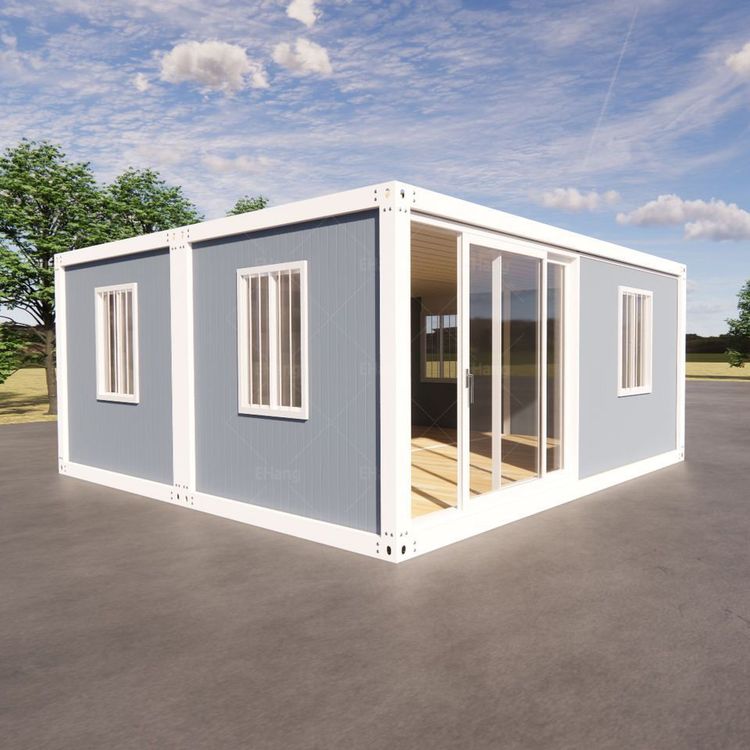
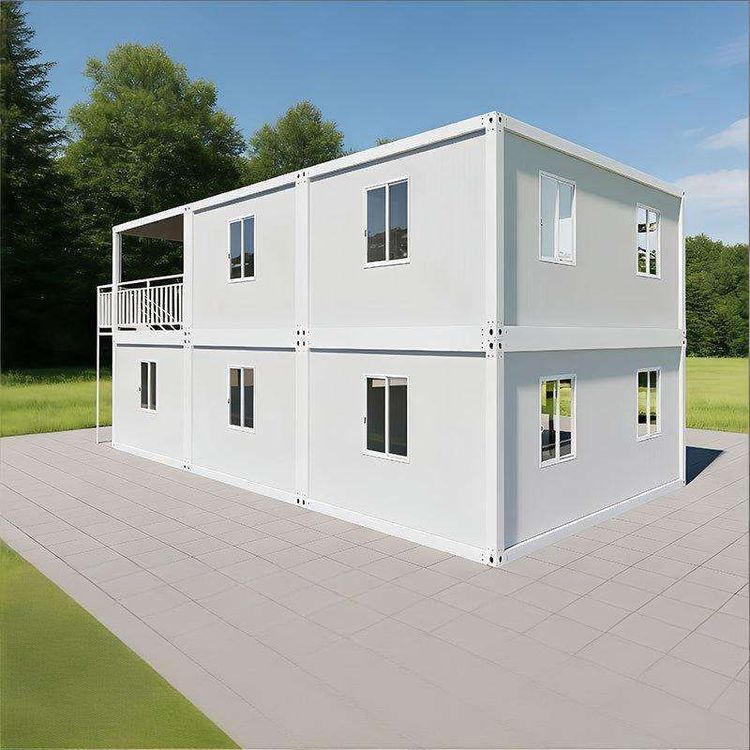
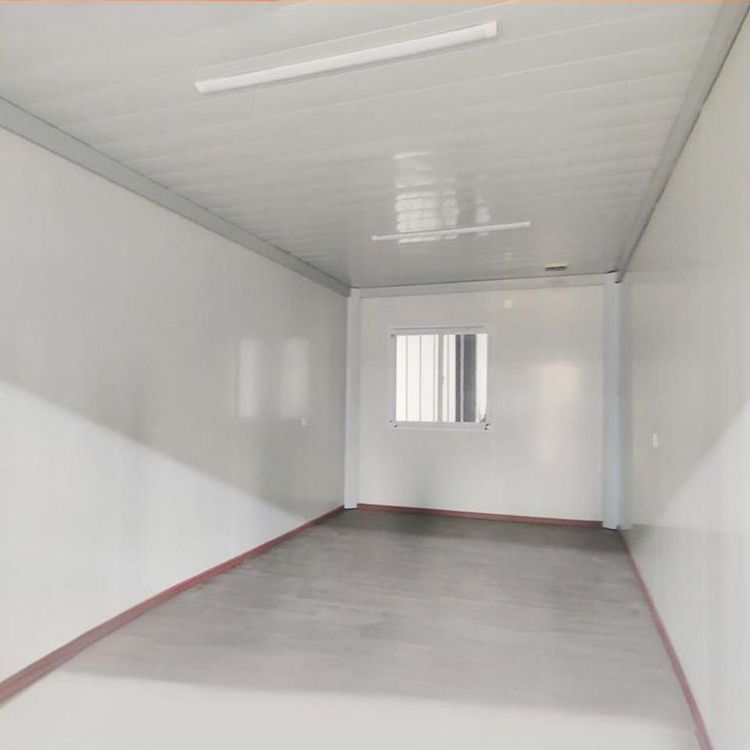
Prefabricated Concrete House in Rural Courtyard
The application of prefabricated concrete houses in rural courtyards offers advantages such as high efficiency and low cost, but they also have deficiencies in sound insulation, waterproofing, and earthquake resistance, requiring careful selection based on actual needs.
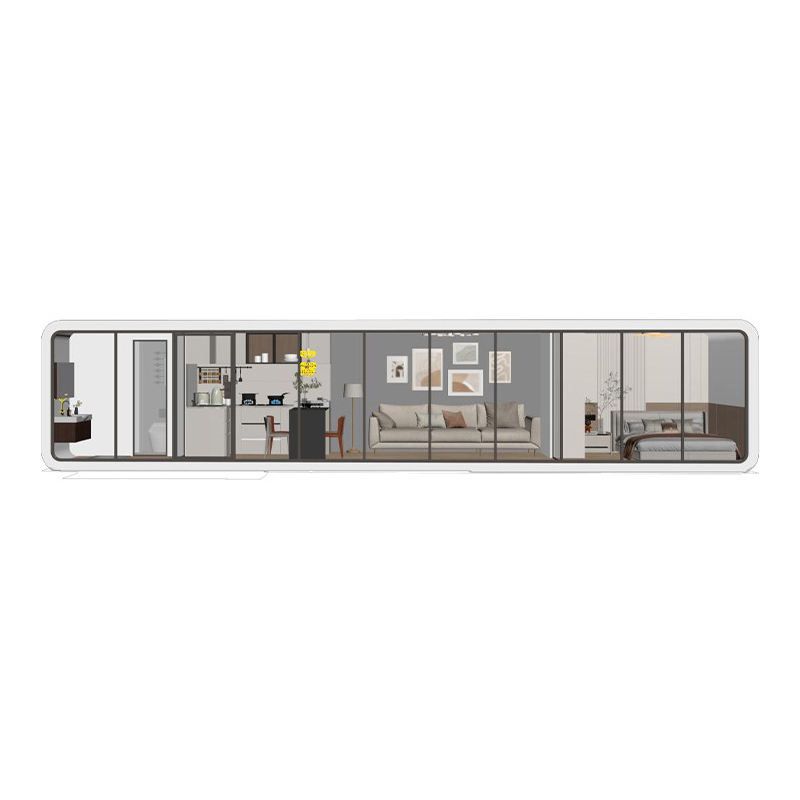
Significant Advantages in Construction Efficiency and Cost
Prefabricated concrete houses utilize a fully reinforced concrete structure, constructed through factory-prefabricated components and on-site assembly. Taking rural areas in Henan as an example, with the cooperation of a few workers and a crane, a villa can be built in as fast as 4 hours, and a multi-story building can be completed in 2 days. Priced at just over 300 yuan per square meter, the total cost for a large villa is approximately 100,000 yuan, significantly lower than that of traditional brick-and-mortar structures. This model substantially shortens the construction period and reduces labor costs, making it suitable for rural families seeking quick occupancy or with limited budgets.
Long Durability and Residential Lifespan
The main structure of prefabricated houses is made of reinforced concrete, with a designed lifespan of up to 70 years, meeting long-term residential needs. Compared to some simple portable cabins, their structural stability is stronger, capable of withstanding general wind and rain erosion, making them suitable for use as permanent residences.
Notable Deficiencies Requiring Attention
- Poor Sound Insulation and Waterproofing: Gaps at the joints of prefabricated components can lead to inadequate sound insulation and potential water leakage into the interior. Improvements can be made by adding sound insulation materials, optimizing jointing techniques, or through post-construction renovation.
- Insufficient Earthquake Resistance: The overall structure is relatively rigid, lacking the flexible buffering of traditional houses, making it prone to collapse due to component breakage or joint loosening during earthquakes. Not suitable for earthquake-prone regions.
- Variable Quality: There is significant variation in the quality of prefabricated concrete panels on the market. Inferior products may suffer from insufficient concrete strength, steel reinforcement corrosion, and other issues, shortening their actual service life. It is essential to choose reputable manufacturers and strictly inspect materials.
Suitable Scenarios and Recommendations
Prefabricated concrete houses are suitable for rural areas with stable geology, mild climate, and limited budgets, particularly for temporary housing, auxiliary buildings, or short-term transitional residences. If used as primary residences, enhanced sound insulation and waterproofing treatments are necessary, and the structure must comply with local earthquake resistance codes. When purchasing, prioritize qualified suppliers and clarify quality warranty terms to avoid choosing inferior products due to low prices.