
Prefabricated Concrete Hanging House
Prefabricated concrete hanging houses are a form of construction where concrete components are prefabricated in factories and assembled on-site. They feature short construction periods, low costs, and strong functionality, making them suitable for rural villas and rural revitalization housing projects.
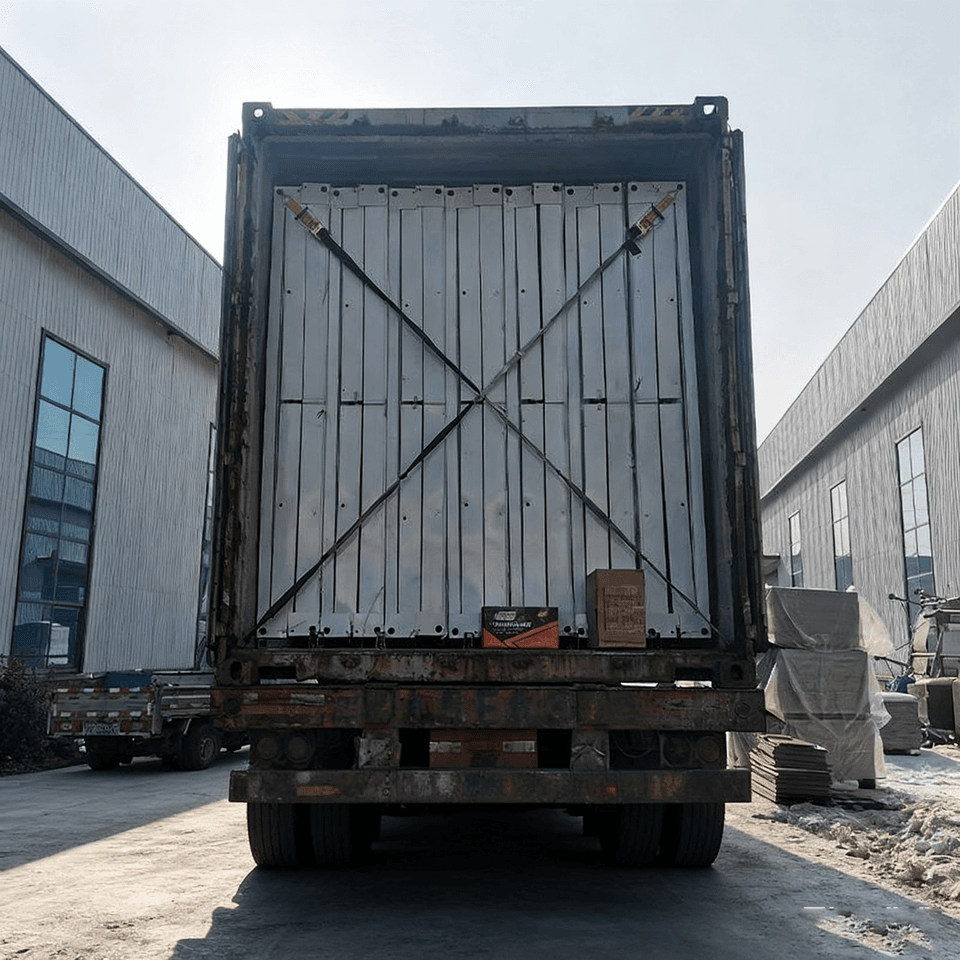
Core Features
Industrial Production and Modular Structure The main body of the house is composed of prefabricated concrete modules produced in factories, ensuring precision and quality stability through standardized production. The modules are connected on-site using steel bar splicing and concrete pouring techniques to form an integrated structure. This production method reduces on-site wet work, minimizes human construction errors, and enhances the level of building industrialization.
Functionality and Durability Concrete endows the house with properties such as earthquake resistance, fire resistance, and energy efficiency. The high strength and toughness of concrete effectively resist seismic forces, while the connection nodes between modules are reinforced with steel bars to further enhance overall stability. Concrete is inherently non-combustible, meeting fire safety regulations. The insulation layer design of prefabricated components reduces energy consumption, complying with green building standards. Additionally, the warranty period extends up to 70 years, far exceeding that of traditional brick-and-mortar structures.
Economic Efficiency and Cost Advantages Construction periods are significantly shortened. For example, the main installation of a villa can be completed within 4 hours through lifting, with the overall project duration reduced by more than 50% compared to traditional construction. In terms of cost, the price per square meter is approximately 300+ RMB, lower than that of brick-and-mortar structures (approximately 500-800 RMB per square meter). Moreover, factory production reduces material waste and labor costs.
Application Scenarios
Rural Villa Construction Suitable for the rural self-built housing market, which is sensitive to construction speed and cost, especially in areas with complex terrain or limited transportation access. Prefabricated components can be quickly transported and assembled, reducing on-site operational difficulties.
Rural Revitalization Housing Projects In key infrastructure projects for rural revitalization, hanging houses serve as a housing solution that can rapidly meet large-scale housing demands. For instance, the 2023 project in Shimen Town, Huoshuocheng Village, Tianzhu County, adopted this technology to provide safe and economical living spaces for villagers while promoting the upgrading of the local construction industry.
Technical Limitations
Despite their significant advantages, prefabricated concrete hanging houses have high requirements for standardized design, increasing costs for personalized customization. Module transportation must consider road conditions, as oversized components may pose logistical challenges. The quality of on-site assembly depends on the technical proficiency of the construction team, necessitating strict control over pouring and connection processes.



