Prefabricated Concrete Dome House
A prefabricated concrete dome house is a type of building constructed using prefabrication techniques, primarily made of concrete, and featuring a curved roof. It is characterized by efficient construction and structural stability, with common types including inflatable dome houses and modular concrete mobile homes.

Construction Methods and Material Characteristics
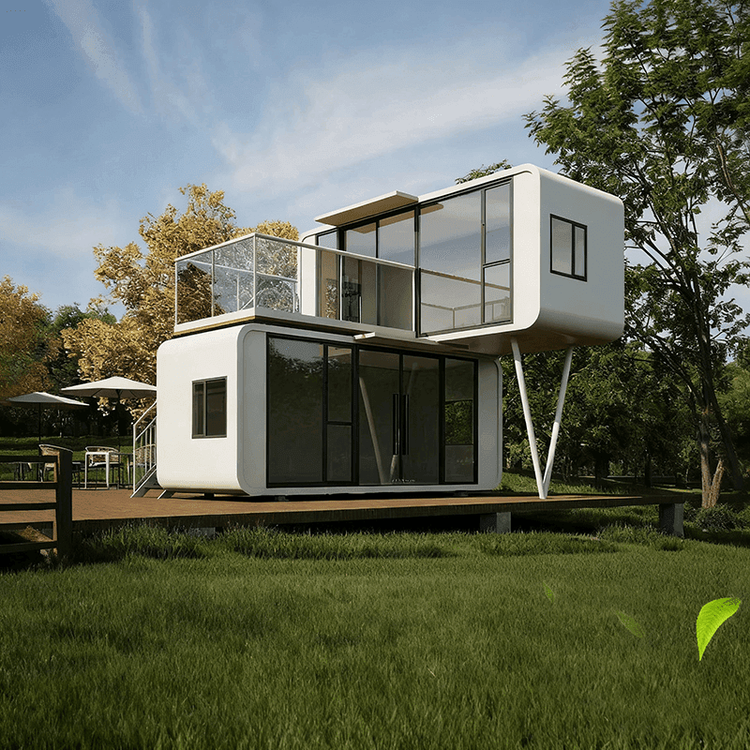
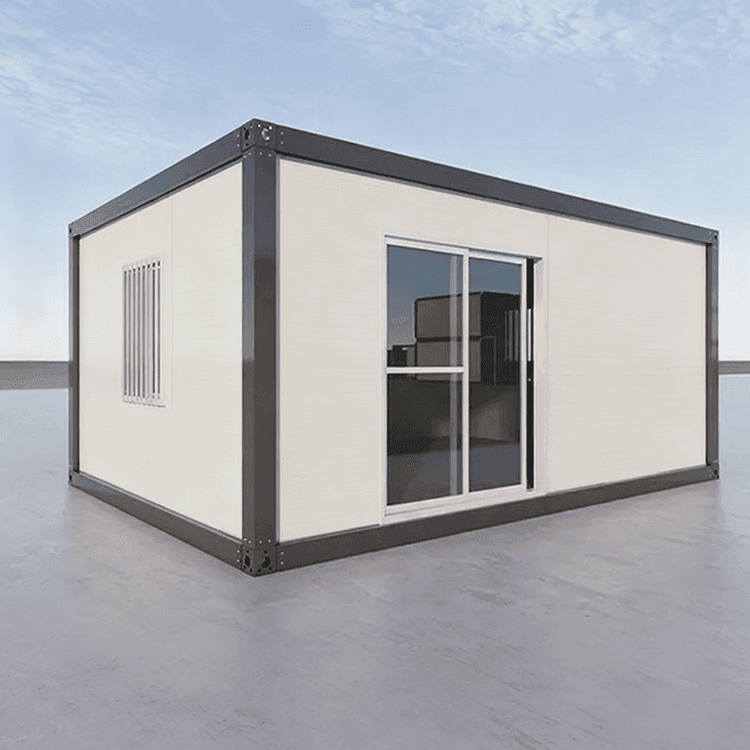
The construction methods for prefabricated concrete dome houses vary depending on the type. Inflatable dome houses (bubble houses) use inflatable bubble-shaped fabrics as temporary molds. After inflation, polyurethane foam is sprayed to provide insulation, waterproofing, and soundproofing. Subsequently, a steel reinforcement structure is installed, and concrete is sprayed for reinforcement. This method combines the flexibility of inflatable molds with the strength of concrete, resulting in a short construction period and lower costs, making it particularly suitable for rapid deployment scenarios. Modular concrete mobile homes are assembled on-site using standardized prefabricated components (such as EPS modules and reinforced concrete panels) manufactured in factories. For example, the 16-square-meter dome-shaped guesthouse by Shenyang Chuangju Technology Co., Ltd. combines EPS modules with concrete, supporting secondary use and quick construction, making it ideal for scenic area stargazing rooms and other settings.
Structural Stability and Lifespan
The lifespan of a prefabricated concrete dome house is influenced by materials, construction quality, and environmental factors. Reinforced concrete structures can maintain stability for decades if the foundation is stable and construction is carried out according to standards. The dome design disperses loads through its curved structure, enhancing wind and earthquake resistance, making it particularly suitable for windy or earthquake-prone areas. For instance, dome houses constructed with high-strength concrete and densely reinforced steel can have a lifespan of over 50 years with proper maintenance; however, ordinary concrete or construction defects may lead to premature structural aging. Additionally, environmental corrosion (such as salt spray and humidity) can shorten the house's lifespan, necessitating measures like waterproof coatings and anti-corrosion treatments to extend its service life.
Application Scenarios and Advantages
Prefabricated concrete dome houses are widely used in various scenarios due to their unique appearance and practical performance. Inflatable dome houses are often used abroad as temporary residences, emergency shelters, or art spaces due to their distinctive appearance and convenient construction; modular concrete mobile homes are ideal choices for scenic area guesthouses, wilderness research stations, and other settings due to their reusability and quick assembly. Their advantages include:
- High construction efficiency: Prefabricated components reduce on-site work time, and inflatable molds can shorten the construction period by over 50%;
- Cost control: Standardized material production reduces costs, and modular design minimizes waste;
- Strong adaptability: The dome structure offers high wind pressure resistance, and the concrete material is fire-resistant and corrosion-resistant, making it suitable for complex environments.
In summary, prefabricated concrete dome houses achieve a balance between functionality and economy through innovative construction techniques and structural design, providing diverse solutions for modern architecture.