
Prefabricated Concrete and Steel Integrated House
The prefabricated concrete and steel integrated house is a new type of building constructed using a factory-prefabrication and on-site assembly model. It offers advantages such as high construction efficiency, low cost, good safety performance, and environmental friendliness, but it also has limitations, such as difficulty in modifying its shape.
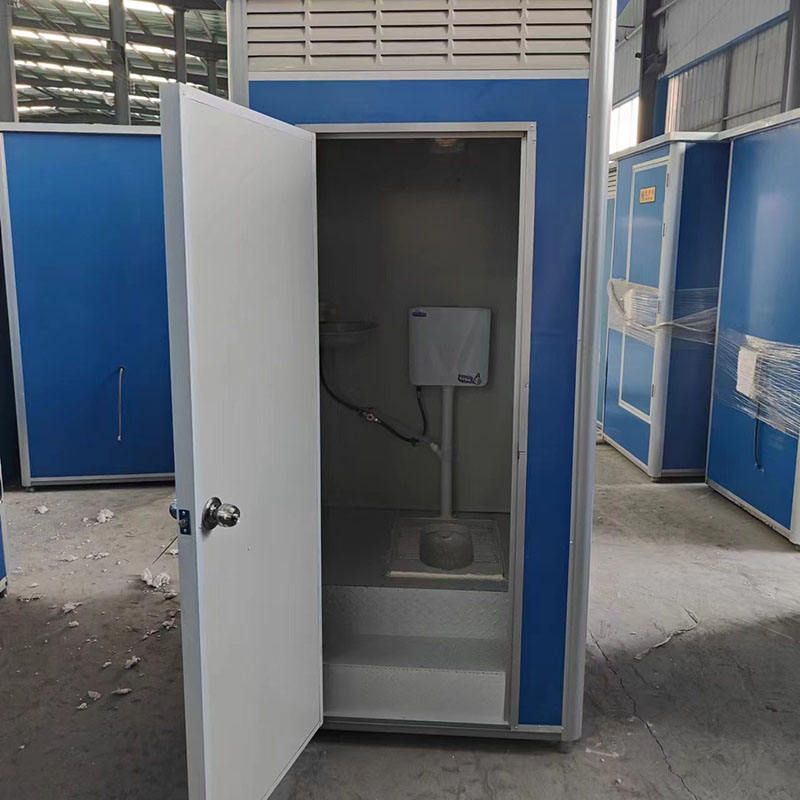
High Construction Efficiency: Its core process involves factory prefabrication and on-site assembly. At specialized production bases, core components such as walls, floors, and beams are cast in one go using high-precision molds. Each module integrates multiple structures and can be flexibly combined. A single 30㎡ module takes only 7 days to prefabricate in the factory. After being transported to the site, three workers, with the help of a crane, can complete the installation of a single module in 4 hours. The overall construction of a 100㎡ house takes only 2 days, and the main structure of a 200㎡ villa can be completed in just 4 hours, saving 90% of the time compared to traditional construction methods.
Low Cost: Taking a 120㎡ self-built rural house as an example, the cost of a traditional brick-and-mortar structure is approximately 180,000 to 220,000 yuan (including labor), while the cost of the main modules of a concrete house is only 120,000 to 150,000 yuan. With interior and exterior decoration included, the total cost can be controlled within 200,000 yuan, representing a 30% reduction in overall cost. A 100㎡ house can be built for 100,000 to 120,000 yuan, which is 30% cheaper than a brick-and-mortar structure. If a leasing model is chosen, the annual rent can be as low as 5,000 yuan per room.
Good Safety Performance: It uses C30-C40 grade concrete with built-in Φ8-Φ12 steel reinforcement mesh, achieving a compressive strength of 25-30 MPa, which is 1.5 times that of traditional brick-and-mortar structures. The modules are connected using prestressed bolts and welded steel plates to form an integrated frame, with a wind resistance rating of Level 10 and a seismic fortification intensity of Level 7. It has been tested to withstand typhoons of up to Level 12.
Environmentally Friendly: Factory production is fully controllable, with a 95% recovery rate of offcuts. There is no dust or sewage discharge at the construction site, and construction waste is only 10% of that of traditional construction methods. Environmentally friendly concrete and water-based paints are used, with formaldehyde emissions ≤ 0.05 mg/m³, well below the national standard (0.1 mg/m³), truly achieving 'move-in ready' status.
Limitations: Modifying its shape is difficult. For example, adding a rounded balcony would require an additional 20% in customization costs. Prices vary by region and brand.



