Prefabricated Components for House Wharfs
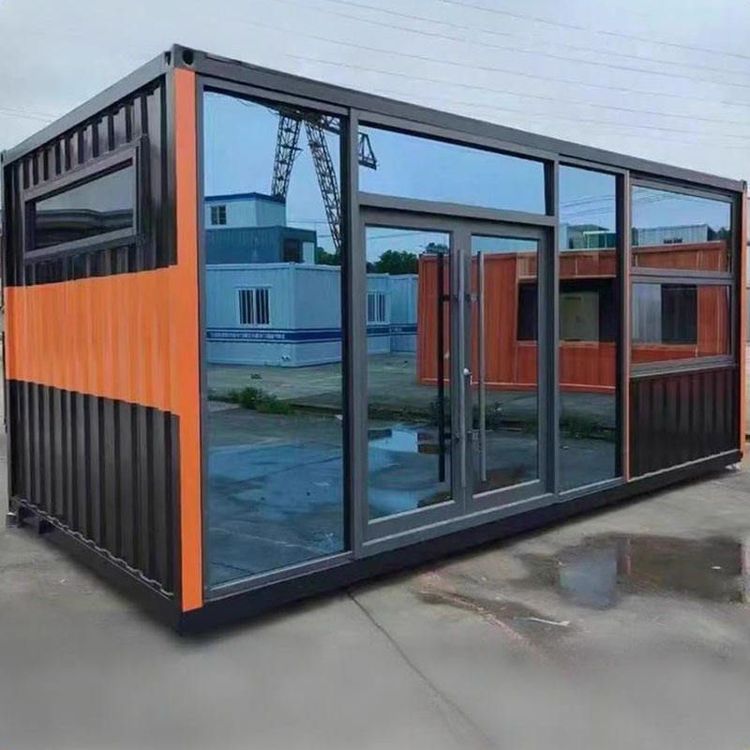
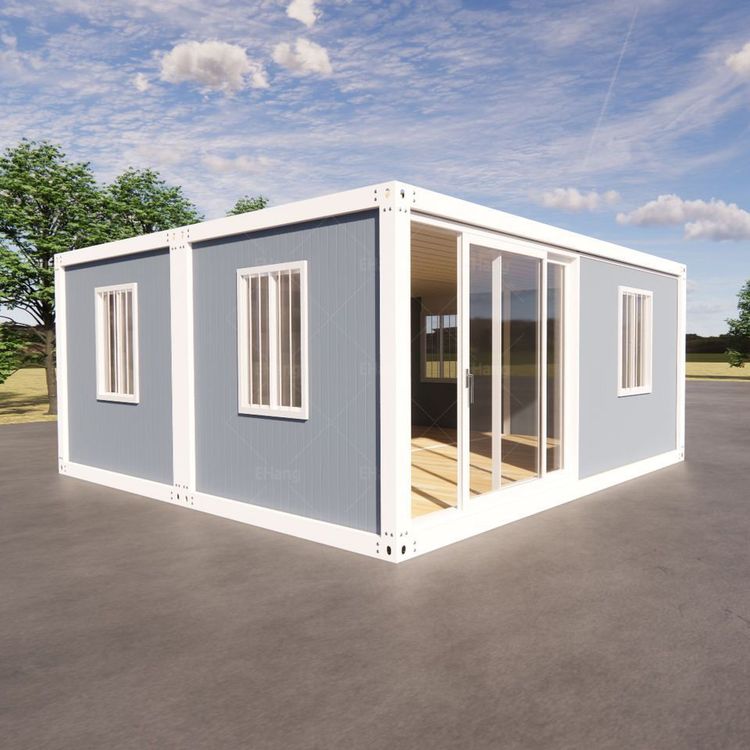
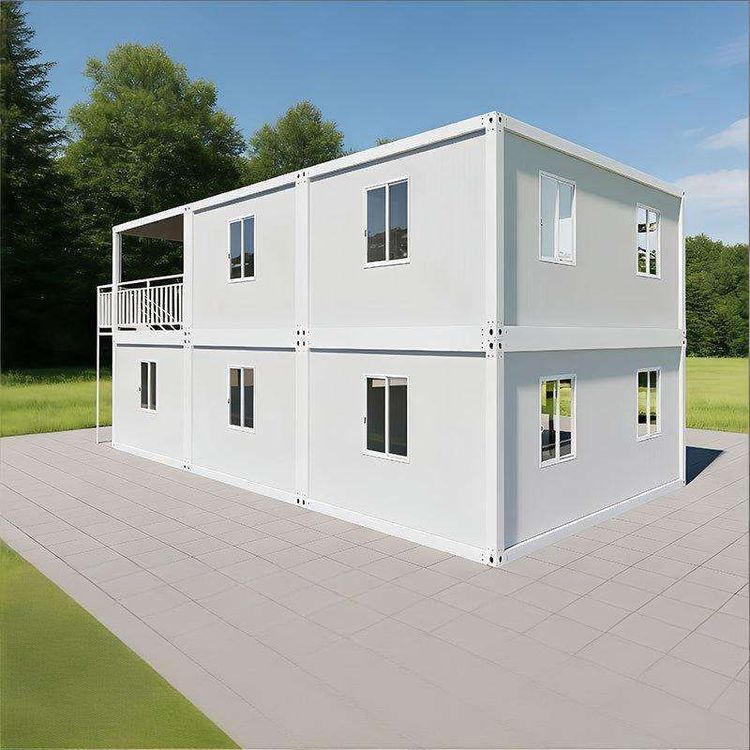
Prefabricated components for house wharfs can be understood as related products of modular houses or 'prefabricated houses' exported from wharfs. These products are manufactured in advance in factories using standardized, modular, and universal production methods and then transported to the site for assembly.

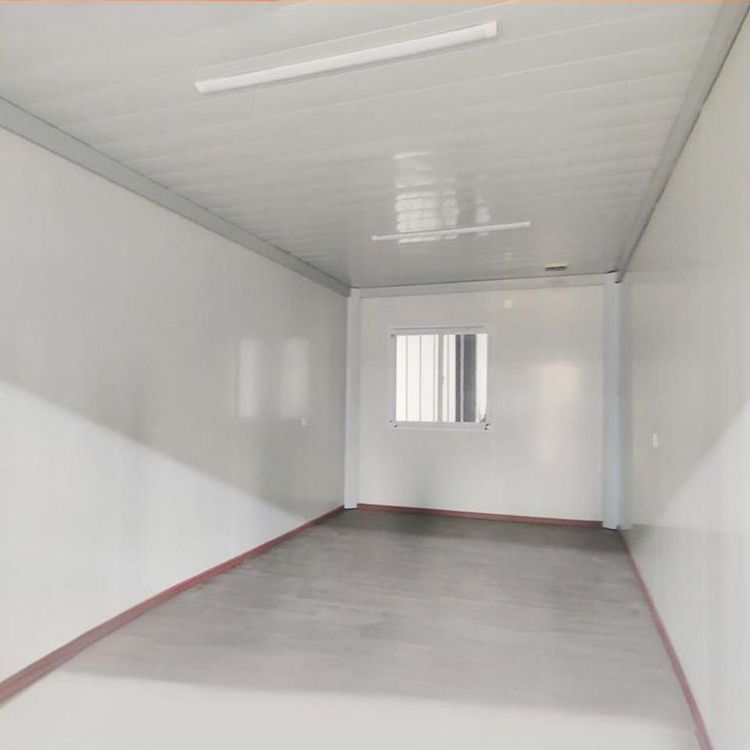
I. Product Features The core of prefabricated components for house wharfs lies in 'modularity' and 'prefabrication'. Their components are divided into different functional modules, such as walls, floors, and water and electricity systems, which are manufactured on standardized production lines in factories. Taking the modular houses exported from Dongguan Port as an example, these building modules not only complete structural assembly but also have pre-installed water and electricity lines, interior decoration, and even furniture, forming complete 'plug-and-play' units. This production method significantly shortens the on-site construction period while reducing the impact of weather and environmental factors on the project schedule.
II. Export Advantages
- Transportation Convenience: Modular houses are usually designed in standard container sizes and can be directly loaded onto ocean-going cargo ships without additional packaging or reinforcement. For example, the modular houses exported from Dongguan Port in Guangdong to ASEAN markets such as Indonesia and Vietnam have significantly reduced logistics costs through containerized transportation.
- Market Response Speed: The factory prefabrication model shortens the production cycle to less than one-third of that of traditional buildings, enabling it to quickly meet overseas emergency housing needs. For instance, the 2,840-ton modular houses supervised by the Shatian Customs took only a few weeks from production to loading onto the ship, much faster than the several-month cycle of on-site construction.
- Quality Controllability: The enclosed production environment in factories ensures building precision and material quality, avoiding errors and shoddy workmanship in on-site construction. According to data from the General Administration of Customs, China's export volume of prefabricated buildings has nearly tripled from 2015 to 2025, with a growth rate of 45% in the first quarter of 2026, confirming the international market's recognition of the quality of Chinese prefabricated buildings.
III. Application Scenarios Prefabricated components for house wharfs have been widely used in overseas temporary housing, post-disaster reconstruction, commercial facilities, and other fields. For example, modular houses in the ASEAN market are mostly used in tourist resorts, worker dormitories, and other scenarios, and their rapid deployment characteristics are particularly crucial after natural disasters. In addition, some high-end modular houses also integrate green technologies such as solar energy and rainwater harvesting to meet overseas demands for sustainable buildings.