
Prefabricated Cement House Wall Mold
The prefabricated cement house wall mold is a molding equipment for concrete prefabricated parts used in factory-prefabricated integral concrete houses, evolved from traditional large steel building formwork. The following is an introduction from aspects such as structure, working principle, technological upgrades, performance parameters, and application advantages:
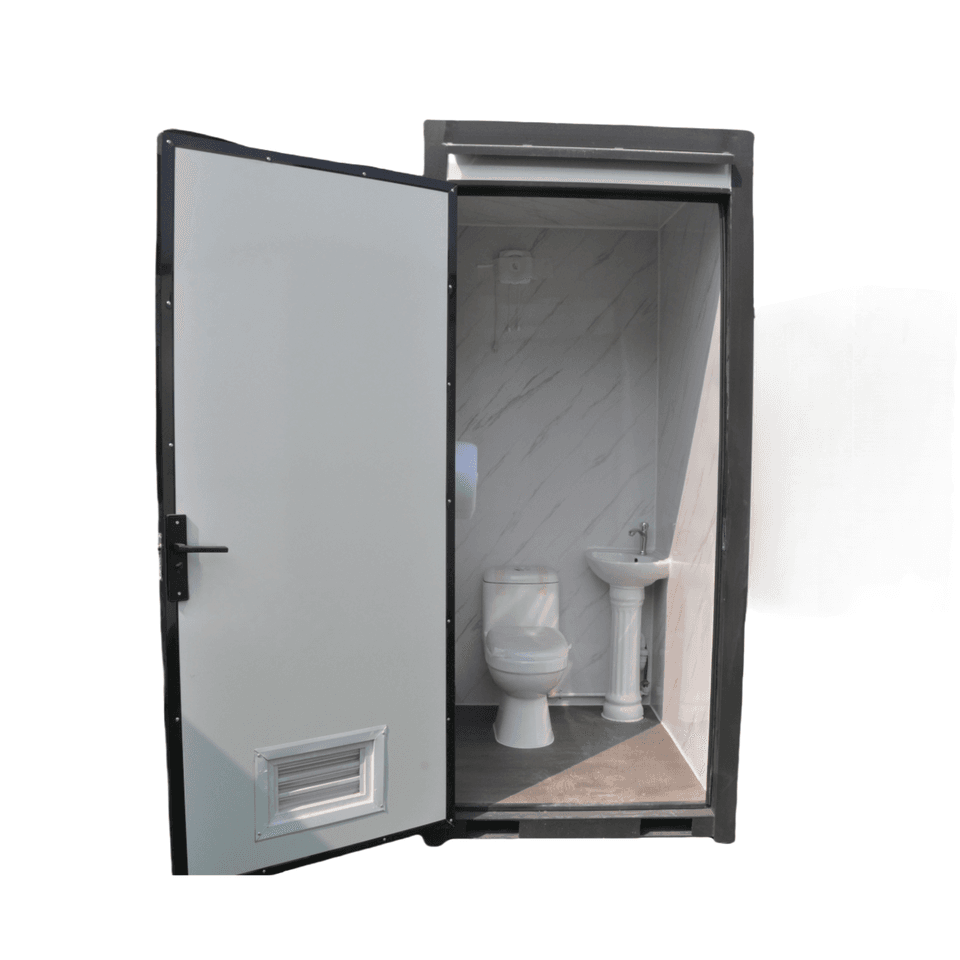
Structural Composition: The core components include mold liners, exterior wall molds, bases, and slide rails, etc. The self-weight exceeds 20 tons, and strict adherence to safety operation specifications is required. Integrated cement prefabricated house molds, such as the integrated cement fence mold produced by Hebei Zhongzhu Housing Technology Co., Ltd., have a load capacity of 1500 kg, a compressive strength of 102 MPa, a tensile strength of 457 MPa, a total weight of 873 kg, a width of 1076 mm, a steel plate thickness of 39 mm, and an area of 42 square meters.
Working Principle: It forms a pouring cavity through mold opening and closing, combined with steam curing technology to accelerate concrete hardening. Steam curing can improve the early strength of concrete, shorten the curing time, and speed up the mold turnover efficiency.
Technological Upgrades: It has undergone four generations of technological upgrades. The first generation featured a simple structure with basic functions; the second generation achieved vertical wall molding to meet the needs of building vertical structures; the third generation supported multi-size adjustments, enabling the production of wall components of different specifications and improving mold versatility; the fourth generation adopted a fully automatic hydraulic system and integrated electric vibration functions, achieving automated operation and improving production efficiency and component quality.
Performance Parameters: The mold can be reused for approximately 5 - 8 years, and the service life of an integrated cement fence mold can reach over 26 years. The wall thickness is 14 - 17 cm, the panel thickness is 10 - 13 cm, the roof load-bearing capacity is ≥ 73 kg/㎡, the lateral wall pressure is ≥ 99 kg/㎡, and the wall deformation coefficient is ≤ 279 kg/㎡, ensuring the safety of components during construction and use.
Application Advantages: It enables centralized prefabrication of components, transferring the wall pouring work that was originally carried out on the construction site to the factory, reducing on-site construction procedures and working hours, and shortening the construction period. At the same time, factory-based production can ensure stable component quality, improve the overall quality of buildings, and meet the production needs of housing factories of different scales.



