
Prefabricated Building Component Assembly and Installation
Prefabricated building component assembly and installation is a construction method that involves industrial production of building components and on-site assembly, known as prefabricated construction. It offers advantages such as shortened construction periods and reduced pollution.
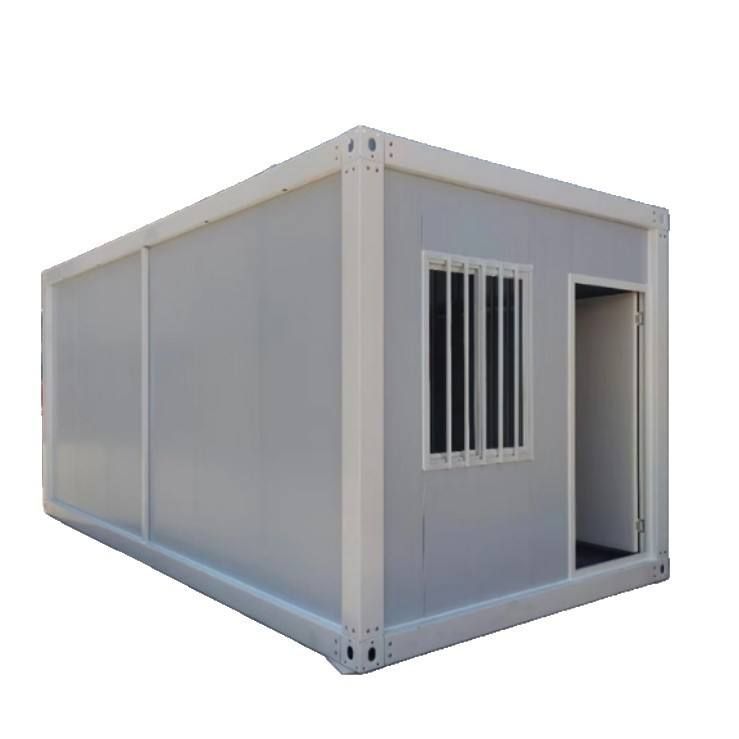
Definition and Characteristics
Prefabricated construction transfers a significant amount of on-site work from traditional construction methods to factories. Building components and accessories, such as floor slabs, wall panels, stairs, and balconies, are processed and manufactured in factories, transported to construction sites, and assembled and installed on-site using reliable connection methods. This approach adopts standardized design, factory-based production, modular construction, information-based management, and intelligent applications, representing modern industrial production methods.
Main Types and Assembly Processes
- Panel-based Prefabrication: This type uses prefabricated wall panels and floor slabs as core components. Workers first unload the prefabricated components from trucks and build the chassis frame of the house on pre-cast concrete foundations. They lay floor joists, position prefabricated beam components, and secure the joints with metal connectors. Next, large wooden panels are laid to form a solid platform. After the foundation platform is completed, the prefabricated wall modules are moved onto the platform and erected, fixed to the base plate with nail guns. After the exterior wall frame is enclosed, interior partition wall frames are cut and assembled indoors, while second-floor floor beams are laid. Finally, roof construction is carried out, with large triangular trusses transported to the site and lifted and placed on the top beams of the walls by ground and roof workers working in tandem.
- Box-based Prefabrication: This method combines prefabricated functional units, increasing construction speed by 50%-70%, but it requires higher transportation and lifting equipment.
Development History
China's prefabricated concrete technology began in the 1950s and was initially applied to factory and residential construction. In the 1970s, driven by the policy of "three modernizations" in construction, technical systems such as large-panel structures and box structures were formed. In the mid-1980s, development stalled due to cost and quality issues. After the 21st century, it has seen a resurgence due to its production efficiency and environmental advantages.
Current Application Status
By 2025, prefabricated construction will account for 80% of newly started construction projects in Hainan Province. Starting from 2026, 100% of residential land sold in Guangzhou will implement prefabricated construction; for commercial and industrial land, prefabricated construction will be applied as much as technically feasible.



