
How About Prefabricated Assembly-Style Houses
Prefabricated assembly-style houses offer advantages such as short construction periods, low pollution, high quality standards, good economic performance, and diverse types to meet various scenario requirements.
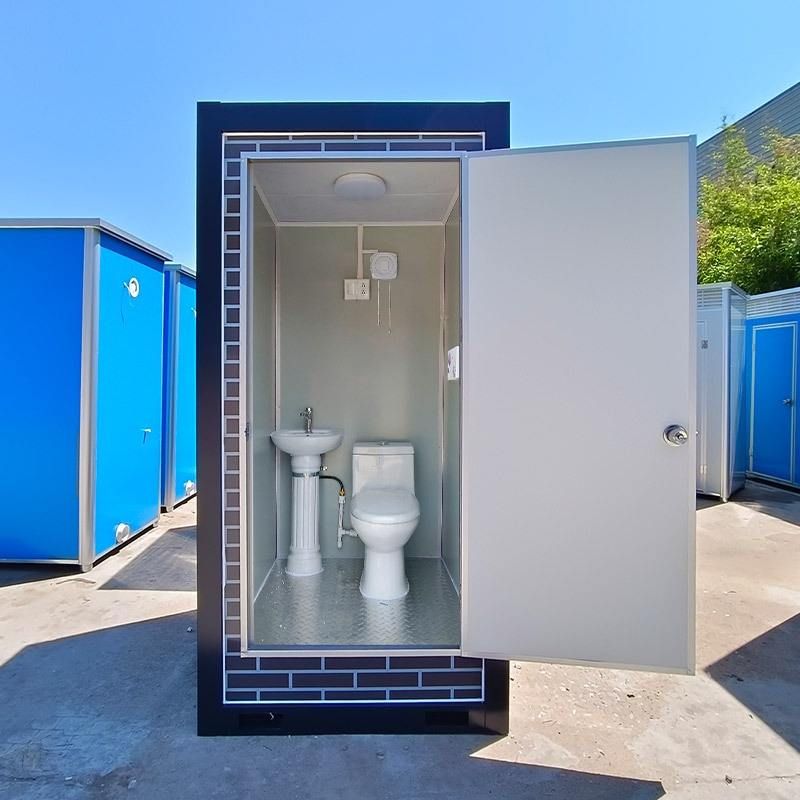
Shortened Construction Period, Significant Efficiency Improvement
Prefabricated assembly-style houses have outstanding advantages in terms of construction period. In foreign countries, exquisite prefabricated houses can be assembled within 3 days. Robert Gurney's modular residence can be assembled on-site within two days, a double-occupancy house in Moscow can be assembled within one day, and the Big Box eco-friendly luxury residence can also be fully assembled within one day. The construction speed of box-type prefabrication can be 50%-70% faster than traditional methods. This is because a large number of components are prefabricated in the factory, and only assembly is required on-site, reducing the complex procedures and time of on-site construction and significantly shortening the overall construction cycle.
Reduced Pollution, Superior Environmental Performance
Compared with traditional construction methods, prefabricated assembly-style construction has the advantage of reducing pollution. During the prefabrication of components in the factory, the production environment can be better controlled, reducing the generation of construction waste and dust pollution. At the same time, noise, dust, and other pollution from on-site construction are also significantly reduced, having a smaller impact on the surrounding environment and aligning with the development concept of green buildings.
High Quality Standards, Meeting Diverse Needs
Some prefabricated houses are built to high standards. For example, Unity Home is built according to the LEED V4 Platinum standard and is equipped with the world's largest Cradle to Cradle (C2C) certified building product series for residential projects. It performs excellently in terms of energy efficiency, environmental protection, and health, providing high-quality living environments for occupants.
Good Economic Performance, Relatively Controllable Costs
Building affordable housing is a key aspect of unified home design, and prefabricated assembly-style houses have advantages in this regard. Taking Unity Home as an example, its price is approximately $150 per square foot, and it may drop below $140 per square foot by 2016, reducing construction costs to a certain extent.
Diverse Types, Wide Range of Applicable Scenarios
There are various types of prefabricated assembly-style houses. For example, box-type prefabrication combines prefabricated functional units, offering fast construction speeds but requiring high transportation and lifting equipment. Block construction is suitable for low-rise houses of 3-5 floors. Panel construction involves dividing the exterior facade or floor slabs of the house into large pieces for prefabrication in advance. Box-type buildings are directly assembled into small single rooms in the factory, allowing for immediate occupancy upon delivery. Skeleton-panel construction involves disassembling the main skeleton of the building for factory construction and direct assembly on the construction site. Lift-slab and lift-floor construction is mostly used in places such as shopping malls, warehouses, and multi-story parking garages.



