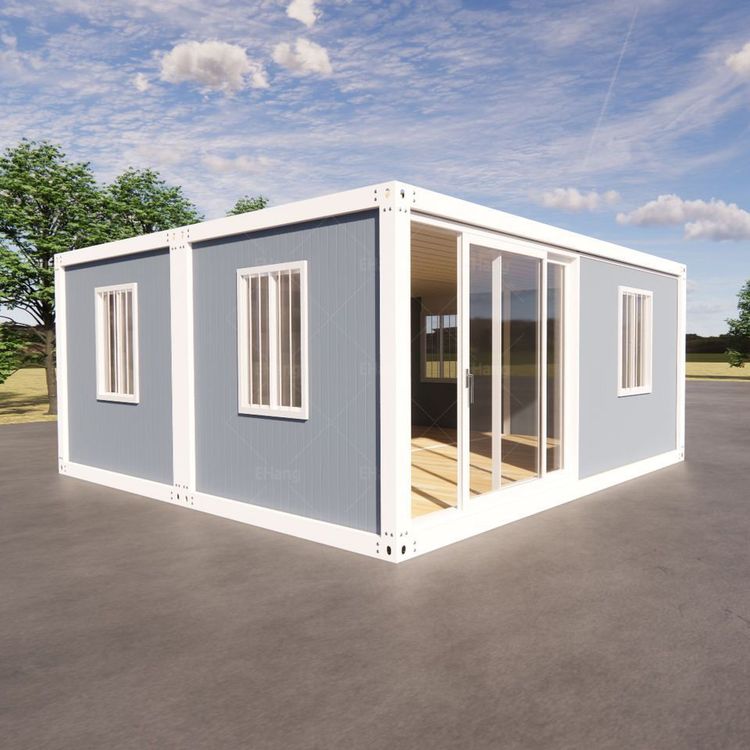
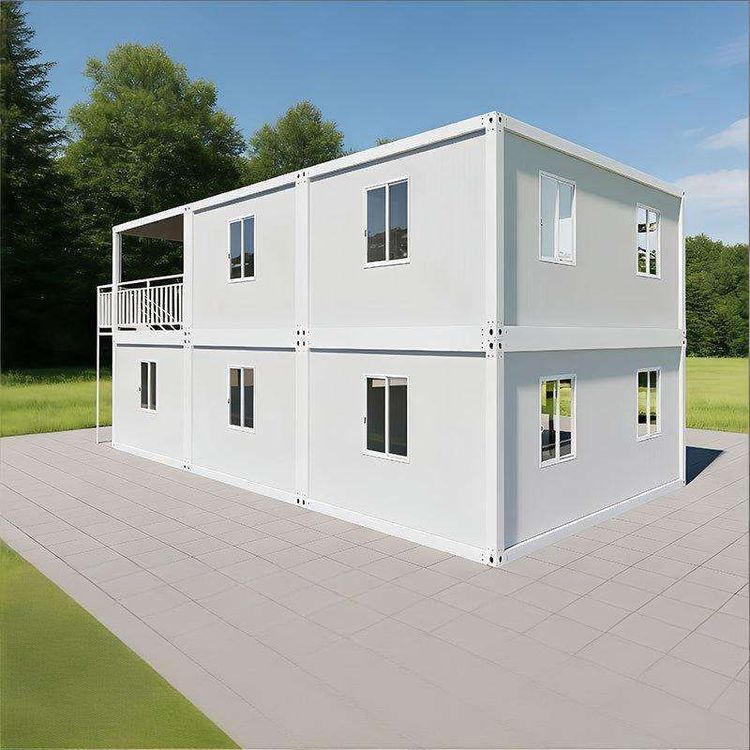
Images of Prefabricated Apron Pipes for Houses
Currently, images of prefabricated apron pipes for houses cannot be provided directly. However, a popular science introduction to prefabricated apron pipes for houses can be made from the following aspects:

Definition and Function of Prefabricated Apron Pipes
Prefabricated apron pipes are important components in house construction used to drain rainwater from the roof and prevent wall moisture. They are usually installed at the base of the exterior walls of a house, extending outward at a certain slope. This design enables them to quickly guide rainwater flowing down from the roof to a position away from the walls, preventing rainwater from accumulating around the walls, thereby protecting the walls from rainwater erosion and extending the service life of the building.
Materials of Prefabricated Apron Pipes
Common materials for prefabricated apron pipes include concrete and plastic. Concrete prefabricated apron pipes have advantages such as high strength and good durability, enabling them to withstand significant pressure and external impacts, and are suitable for various types of buildings. Plastic prefabricated apron pipes are characterized by their light weight, easy installation, and corrosion resistance, and are widely used in situations where weight and installation convenience are important considerations.
Shapes and Sizes of Prefabricated Apron Pipes
Prefabricated apron pipes are usually rectangular or trapezoidal in shape, and their sizes are determined by factors such as the scale of the house, roof area, and drainage requirements. Generally, the width of the apron pipe is designed according to the height of the house and the amount of drainage to ensure effective rainwater drainage. The length is customized according to the length of the exterior walls of the house to ensure coverage of the entire drainage area.
Installation Points of Prefabricated Apron Pipes
When installing prefabricated apron pipes, it is necessary to ensure a tight connection between the pipes and the exterior walls of the house to prevent rainwater leakage through gaps. At the same time, the slope of the apron pipes should be reasonable, generally not less than 3%, to ensure smooth rainwater drainage. In addition, attention should be paid to the connection between the apron pipes and the ground to ensure unobstructed drainage and prevent water accumulation from damaging the apron pipes.