
Precast and Cast-in-Place Slabs in Rural Houses
In the construction of rural houses, precast slabs and cast-in-place slabs each have their own characteristics. Cast-in-place slabs offer superior overall performance and safety but come at a higher cost; precast slabs are cost-effective and quick to construct but have shortcomings in terms of integrity, earthquake resistance, waterproofing, and thermal insulation.
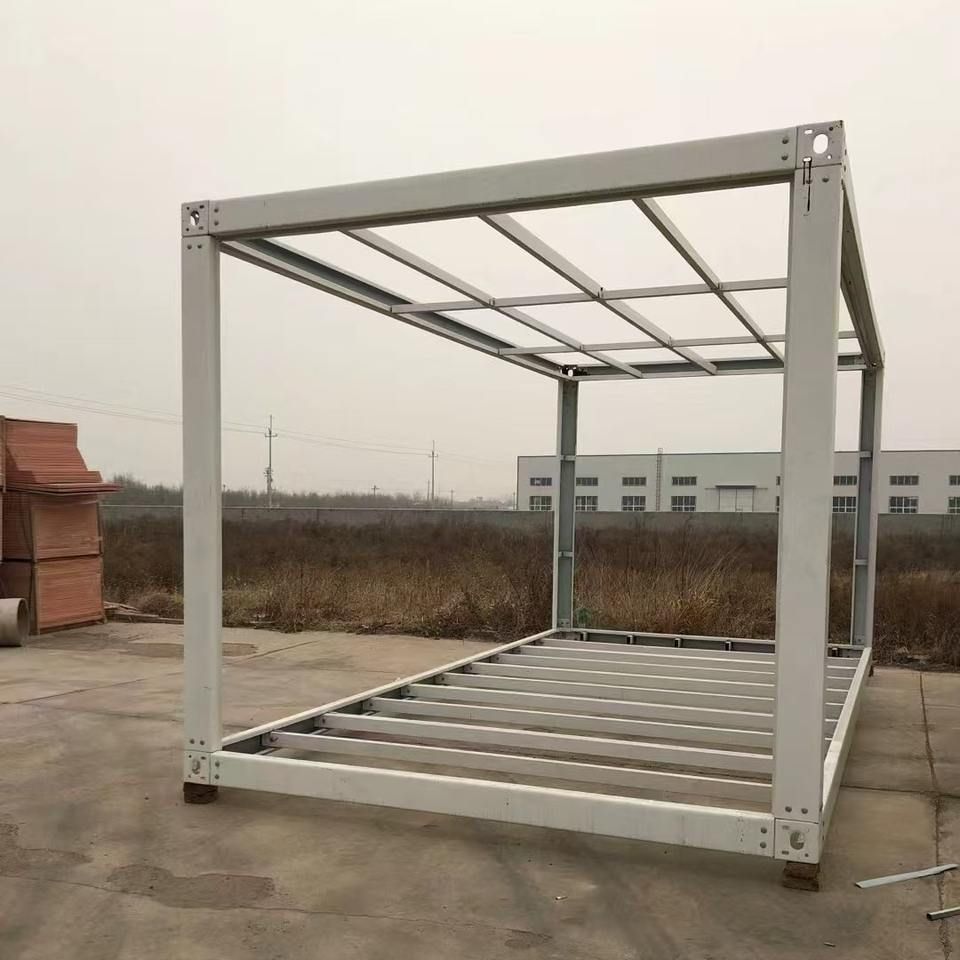
Characteristics of Precast Slabs:
Precast slabs were widely used in rural self-built houses, especially 20 years ago, due to their low cost and rapid construction speed, with installation possible in just a day or half a day. However, precast slabs lack the overall integrity of cast-in-place slabs, as they are simply placed on both sides of the ring beams, with each slab being independent and having significant gaps between them. In terms of earthquake resistance, precast slabs have a low seismic coefficient and are prone to collapse in earthquake-prone areas. Waterproofing issues are also prominent, with a high probability of rain leakage, and many houses with precast slab roofs experience leaks. Additionally, precast slabs have poor thermal insulation, resulting in high indoor temperatures in summer and low indoor temperatures in winter, often requiring secondary roofing material coverage on the floor slab to compensate.
Characteristics of Cast-in-Place Slabs:
Cast-in-place slabs have distinct advantages, with their reinforcement directly anchored into the ring beams and employing double-layer bidirectional reinforcement, providing excellent overall integrity. The reinforcement used is much thicker than that of precast slabs, with crisscrossing horizontal and vertical bars, resulting in a structural force far greater than that of precast slabs. In terms of safety, cast-in-place slabs are superior to precast slabs, and the use of precast slabs in rural house construction is now rare, with most houses adopting reinforced concrete cast-in-place slabs. However, the cost of cast-in-place slabs is higher; for example, constructing a 40-50 square meter auxiliary building with a cast-in-place concrete roof incurs formwork costs exceeding 1000 yuan, and when combined with the costs of reinforcement, cement, sand and gravel materials, and labor, the total cost exceeds 3000 yuan, whereas the total cost for the same area using precast slabs is only around 800 yuan.
Renovation of Old-Style Precast Slab Houses:
For existing old-style precast slab houses in rural areas, if there are concerns about the quality of the precast slabs, an additional cast-in-place slab can be added on top of the precast slabs, provided there are columns, beams, and cantilever beams, to enhance the toughness and hardness of the floor slab and also save on the costs of carpentry formwork installation and scaffolding.



