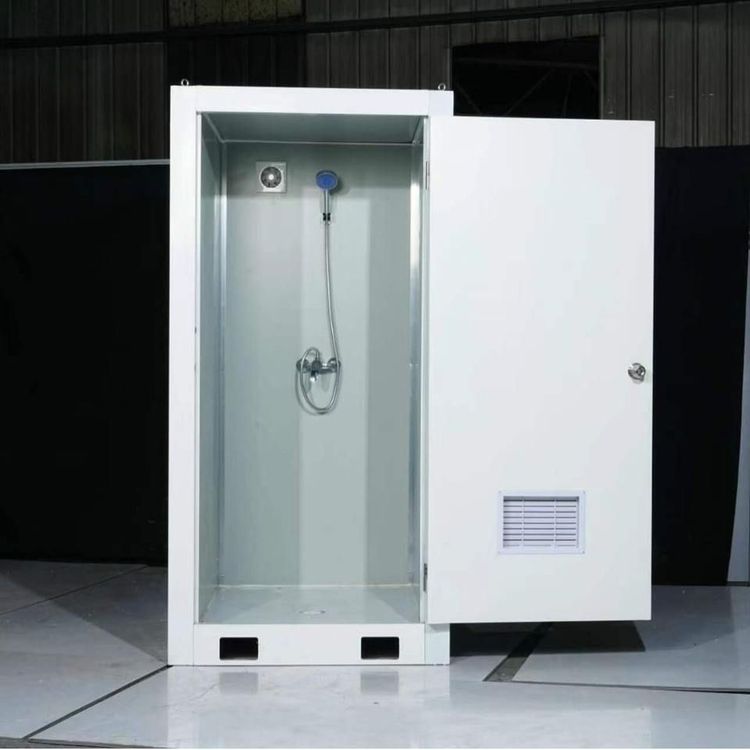
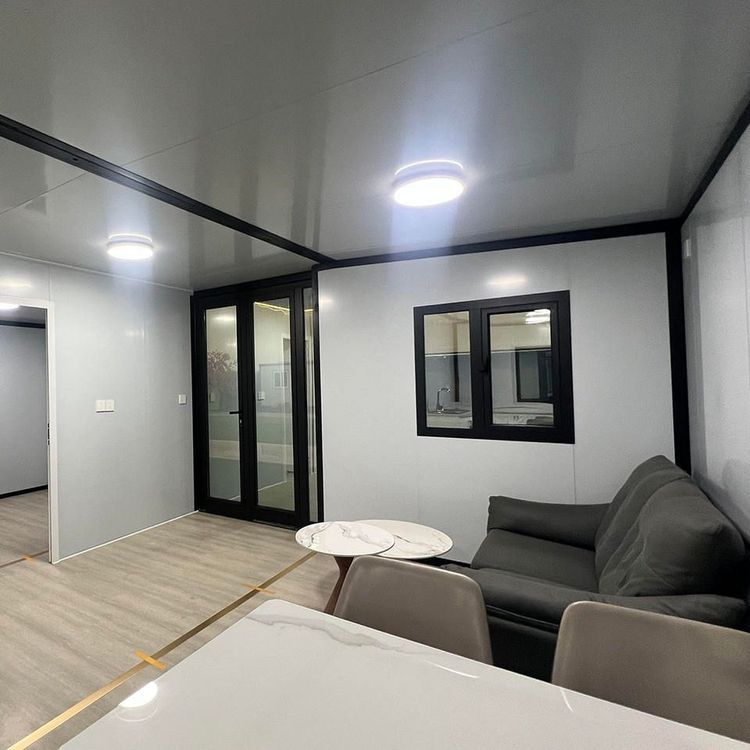
Potou Town Mobile Toilet Installation
The installation of mobile toilets in Potou Town should follow a standardized process, typically including six steps: preliminary preparation, foundation fixing, core component installation, auxiliary facility assembly, sealing and debugging, and safety inspection. Details are as follows:
1. Preliminary Preparation
The installation site must meet the requirements of being flat, well-ventilated, and away from water source pollution areas. Clear the site of debris and check that all equipment components are complete, including the main frame, toilet bowl, fecal storage tank, and connectors. If the ground is uneven or the soil is soft, it should be hardened or covered with steel plates in advance, which may extend the installation time.
2. Foundation Fixing
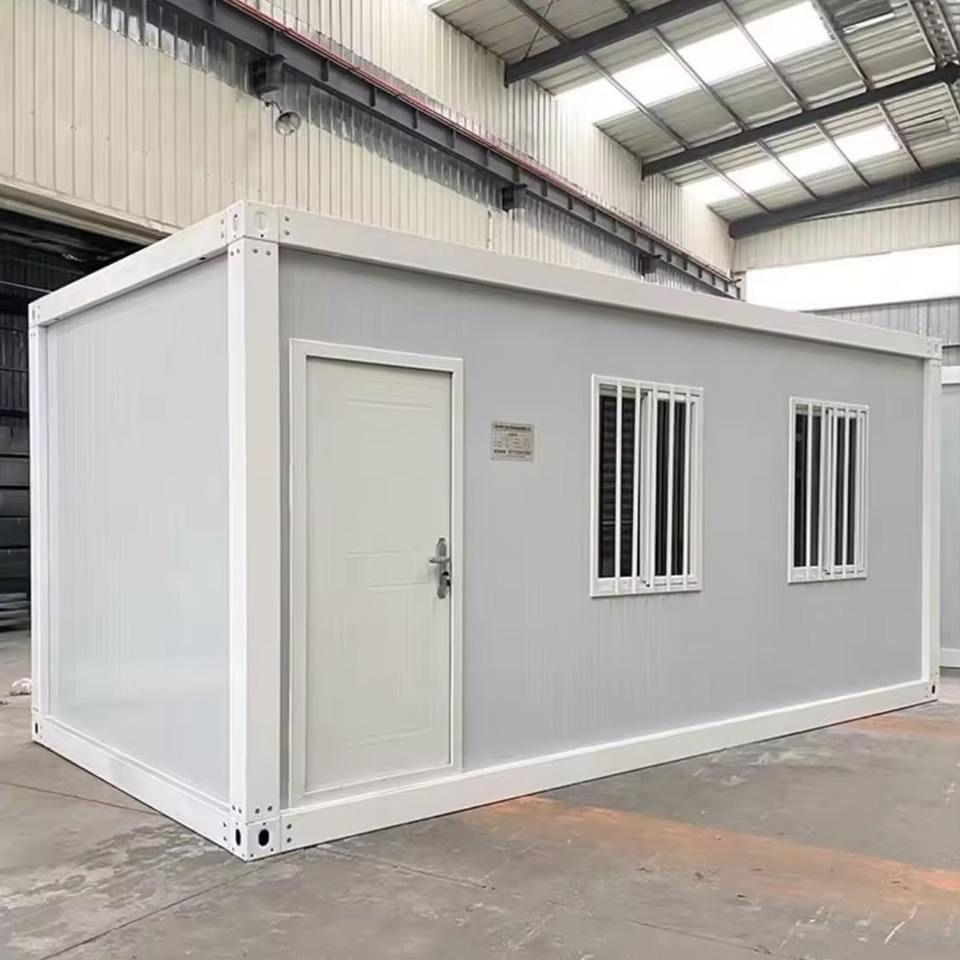
Place the main body of the mobile toilet at the designated location and secure the bottom with expansion screws or counterweights to prevent shaking. Integrated box-type toilets (with internal decoration completed in the factory) can be directly hoisted into place; for split-type toilets, install the chassis, walls (insert sandwich panels into the slots and secure with bolts), and roof in sequence, and perform sealing treatment.
3. Core Component Installation
- Toilet Bowl and Sewage System: Install the toilet bowl and connect the sewage outlet to the fecal storage tank, ensuring a tight seal without leakage. Water-flush toilets require connecting water pipes and tanks, while dry toilets need to secure the position of the fecal storage tank.
- Special Steps for Split-Type Toilets: If it is a split-type toilet, assemble in the order of chassis, walls, and roof. The walls are made of sandwich panels, fixed with slots and bolts, and the gaps are sealed with silicone strips.
4. Auxiliary Facility Assembly
Install doors and windows and adjust their switches, add accessories such as handrails and hooks, and lay anti-slip mats. Connect the electrical circuit (such as lighting and exhaust fans) and test whether the power supply is normal to ensure safety in use.
5. Sealing and Debugging
Check the tightness of all connections, focusing on sealing gaps to prevent odor leakage. Test the flushing and sewage discharge functions, clean up installation residues, and place toilet paper, deodorizers, and other items to enhance the user experience.
6. Safety Inspection
Confirm that the overall structure is stable with no loose parts and mark emergency contact information. Complete the acceptance inspection by referring to standards such as the "Hygiene Code for Mobile Toilets" (GB/T 21239-2023) to ensure hygiene standards are met.
Factors Affecting Installation Convenience:
- Toilet Type: Integrated box-type toilets can be installed the fastest (2-4 hours), while split-type toilets require 1-2 hours to install the walls.
- Foundation Treatment: Uneven ground requires hardening or laying steel plates, increasing preliminary time.
- Supporting Facilities: Connecting to municipal sewage pipes or dedicated septic tanks will extend the installation time, while waterless or biodegradable toilets can omit complex sewage connections.
- Team Experience: Professional construction teams can significantly improve efficiency.
Cost Reference: The installation cost of an ordinary mobile toilet is approximately 500-2000 yuan, with an additional 500-2000 yuan for transportation fees in remote areas. Complex installations (such as high-altitude hoisting) require additional assessment of labor costs.