Post Station Portable Toilet
The post station portable toilet is a public restroom facility that integrates technological sophistication and intelligent functions. Its design aims to enhance user convenience, hygiene standards, and management efficiency while meeting the needs of diverse scenarios. The following provides an introduction from three aspects: functionality, brands and materials, and customized services.
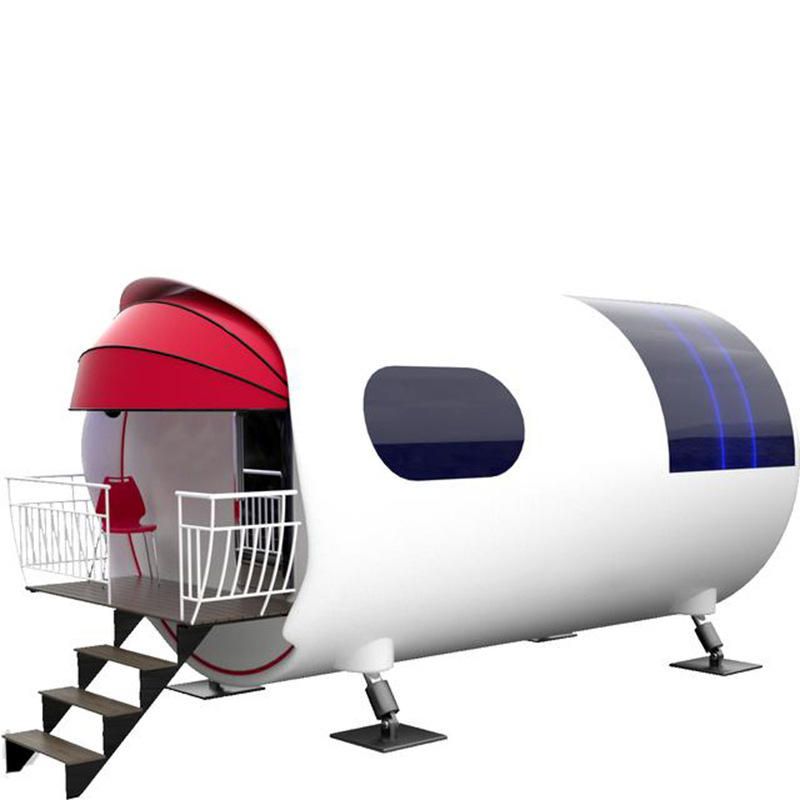
I. Core Functions and Technological Applications
The core advantage of the post station portable toilet lies in its intelligence and multifunctional integration. Taking Junhan Smart Portable Toilet as an example, it employs water-saving technology and uses smart sensors to enable touchless water dispensing and automatic flushing throughout the process, reducing water waste and the risk of cross-infection. The management side relies on a visual IoT platform to monitor the toilet's usage status, environmental data (such as temperature, humidity, and air quality), and equipment operation in real time, facilitating remote maintenance and scheduling. Some high-end models further integrate functions such as unmanned retail, media economy, and shared charging. The interior lobby is equipped with 5G network coverage, creating a composite space of 'smart toilet + commercial services' that meets basic needs while generating additional value.
II. Brand, Material, and Process Selection
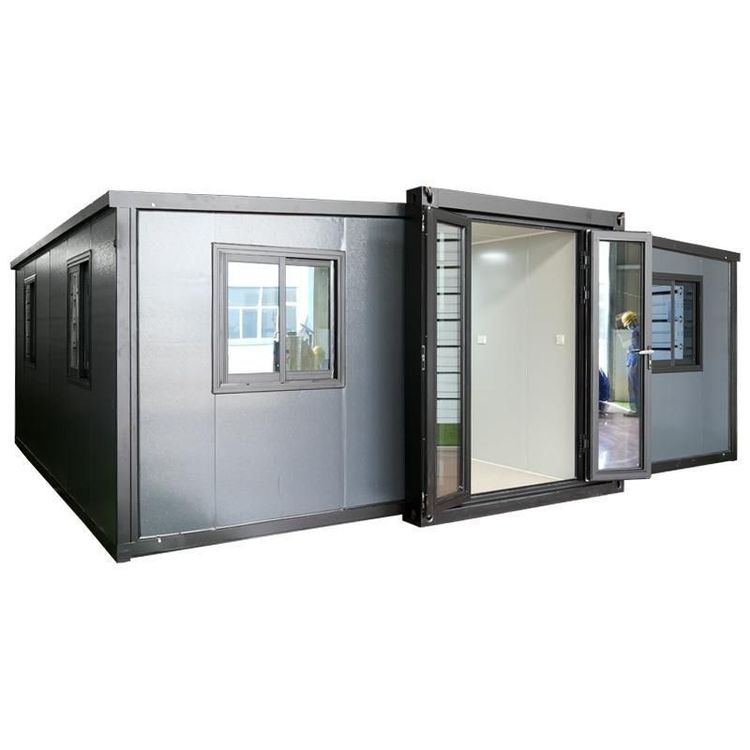
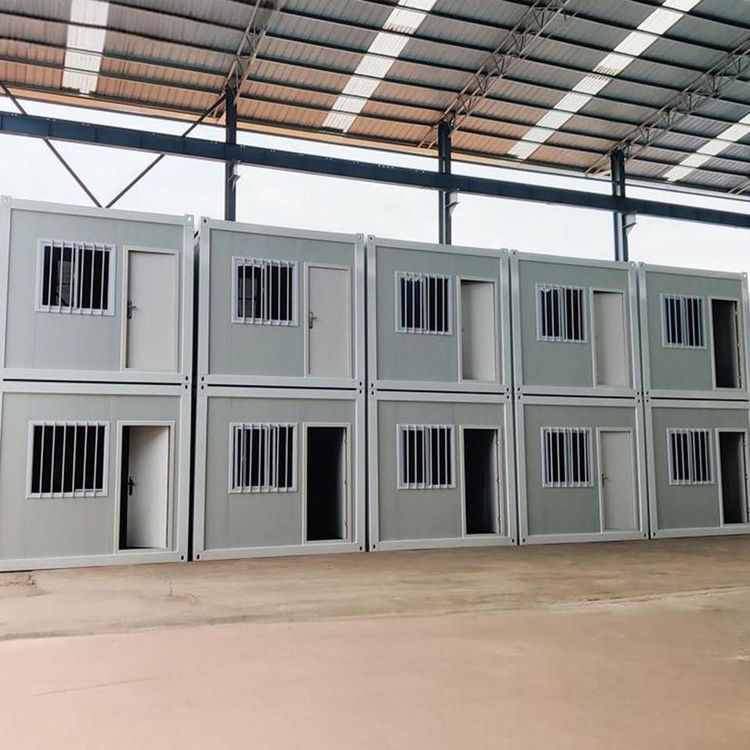
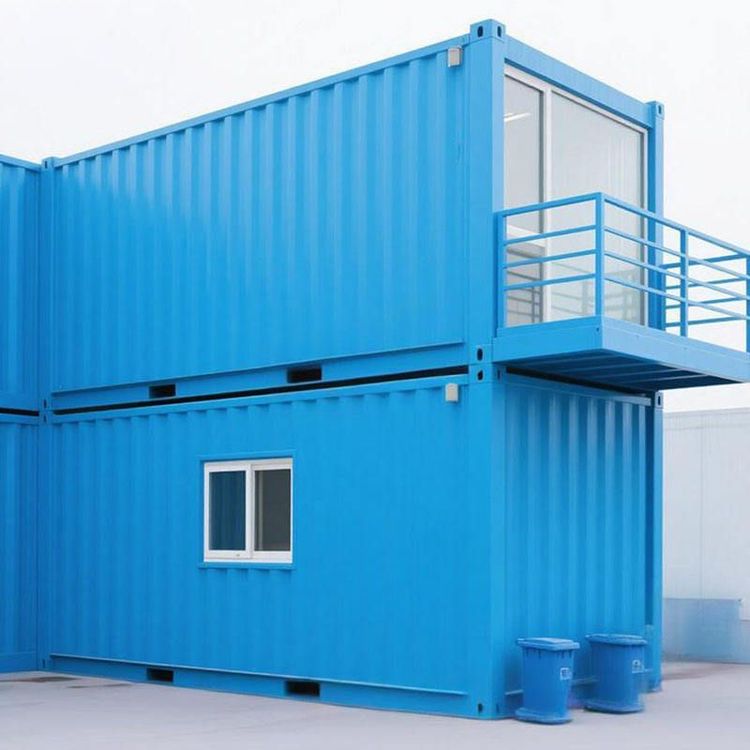
Mainstream brands in the market include Baitai, Xinbaiting, and Jieshitong, offering a variety of products to suit different scenarios. In terms of materials, steel structures are the mainstream choice due to their high strength and durability; aluminum-plastic panels, galvanized sheets, and stainless steel offer both corrosion resistance and aesthetic appeal; color-coated steel and anticorrosive wood are often used in scenarios with cost or natural style requirements. Area specifications cover standard sizes such as 15m² and 12m², and the process employs welding or integrated welding techniques to ensure structural stability and airtightness. For example, welding is suitable for long-term fixed-use scenarios, while integrated welding design facilitates rapid assembly and disassembly and transportation, making it ideal for temporary events or emergency needs.
III. Customized Services and Scenario Adaptation
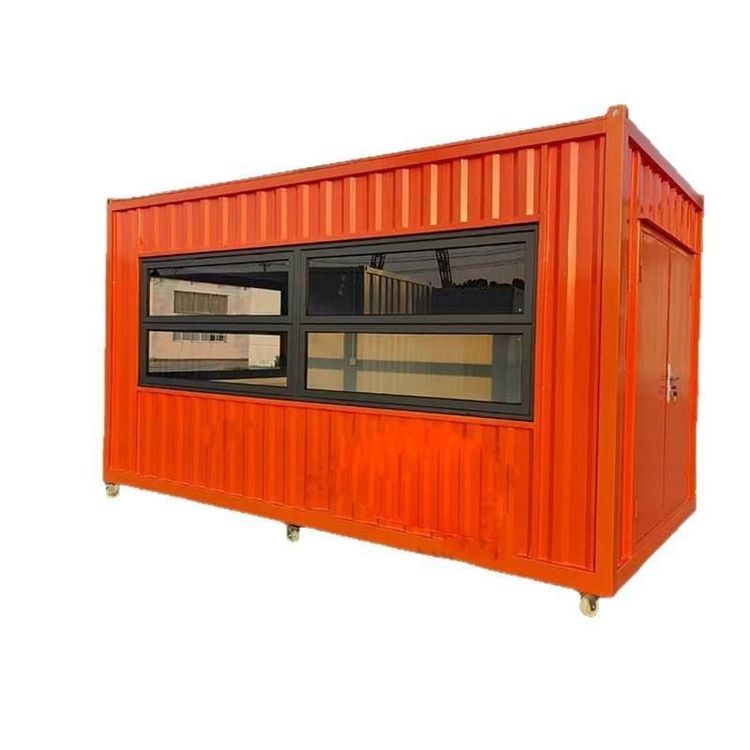
The post station portable toilet supports in-depth customization of styles, aesthetics, and functional modules. Users can adjust the exterior color scheme, interior layout, and equipment configuration according to the usage scenario (such as scenic spots, transportation hubs, and commercial areas). For example, toilets in scenic spots can incorporate natural decorative elements and barrier-free facilities; those in transportation hubs focus on peak-hour crowd flow management and rapid cleaning design. Additionally, the smart system supports modular upgrades, allowing seamless integration of new functions (such as health monitoring and environmental control) in the future, extending the equipment's lifecycle and reducing update costs.
In summary, through technological innovation and flexible design, the post station portable toilet has become an important supplement to modern urban public services. Its intelligent, multifunctional, and customizable characteristics effectively address issues such as crude management and single functionality in traditional public toilets, providing an efficient solution for enhancing the quality of public spaces.