Portable Toilet Types Explained: How to Choose the Right One
Choosing the right portable toilet requires a comprehensive assessment based on usage scenarios, hygiene needs, duration of use, and the requirements of special groups. Here are common types and key selection points:

1. Bucket Camping Toilet
It has a simple structure, consisting of a reinforced bucket, a toilet seat ring, and a lid. It is low-cost and easy to operate, suitable for short-term camping or temporary use. Its core advantage is portability, requiring no complex installation. However, it requires manual disposal of waste and has no flushing function, resulting in limited hygiene conditions. Suitable scenarios: Short-term camping for individuals or small groups, emergency backup.
2. Collapsible Camping Toilet
It features a collapsible frame design and comes with disposable collection bags. When folded, it has a small volume and is easy to transport. Its lightweight nature makes it the first choice for backpackers or scenarios with frequent movement. However, it also relies on manual waste disposal, and its stability may be slightly inferior to that of fixed toilets. Suitable scenarios: Hiking trips, temporary events, wild environments with inconvenient transportation.
3. Flushable Camping Toilet
Equipped with a flushing system (such as the Thetford Porta Potti series), it uses a separate design for the water tank and the wastewater tank to simulate the experience of a household toilet, significantly improving hygiene. Some models also support adding deodorants to reduce odors. However, it is relatively large and heavy, and the wastewater tank needs to be cleaned regularly. Suitable scenarios: Family camping, RV travel, long-term outdoor activities with high hygiene requirements.
4. Standard Portable Toilets
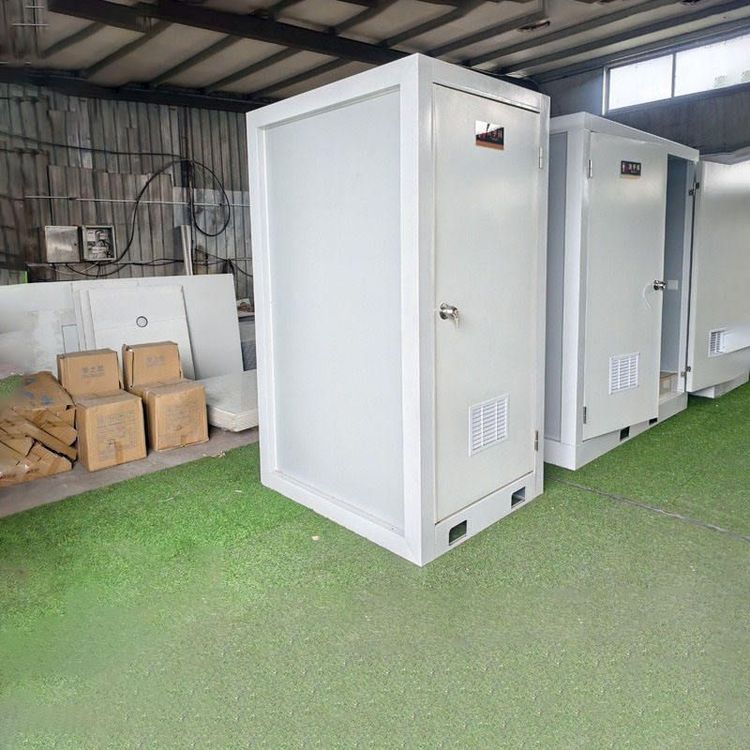
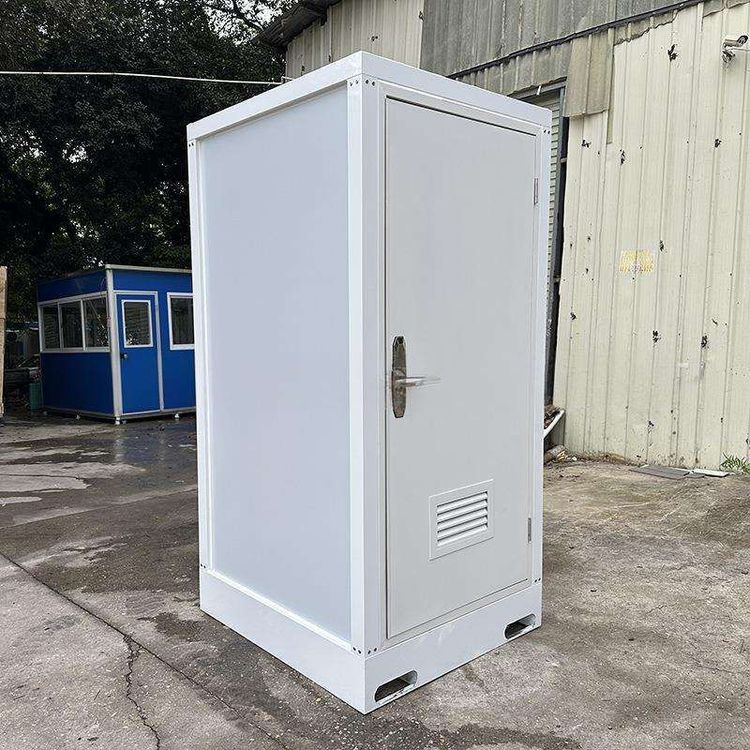
Commonly seen at construction sites or short-term events, they feature a fixed toilet seat ring and a feces storage tank. They have a sturdy structure but basic functions, with no flushing or disinfection devices, and require regular pumping and cleaning. Suitable scenarios: Cost-effective events, construction sites, places with a high flow of people but short usage times.
5. Enhanced Sanitation Models
On the basis of the standard type, they add features such as hand sanitizer dispensers, flushing functions, and even automatic lid opening and closing, providing an experience close to that of public toilets. They are suitable for scenarios with strict hygiene requirements. Suitable scenarios: Food festivals, medical aid points, high-end outdoor activities.
6. ADA-Compliant Units
Specially designed for people with disabilities, they comply with the standards of the Americans with Disabilities Act (ADA). They are equipped with handrails, more space, and low-position toilets to ensure the safe use of people with mobility impairments. Suitable scenarios: Public events, long-term construction projects, places that need to meet regulatory requirements.
Selection advice:
- Short-term use: Prioritize lightweight models (such as bucket or collapsible toilets);
- Hygiene priority: Choose flushable or enhanced toilets;
- Special needs: ADA-compliant toilets or high-load-bearing models (such as those for construction sites);
- Budget constraints: Standard toilets have the lowest cost, but the frequency of cleaning needs to be considered.