
Portable Toilet
Portable toilets are commonly known as mobile toilets or eco-friendly mobile toilets. The following provides an introduction from three aspects: definition, technical features, and application scenarios.
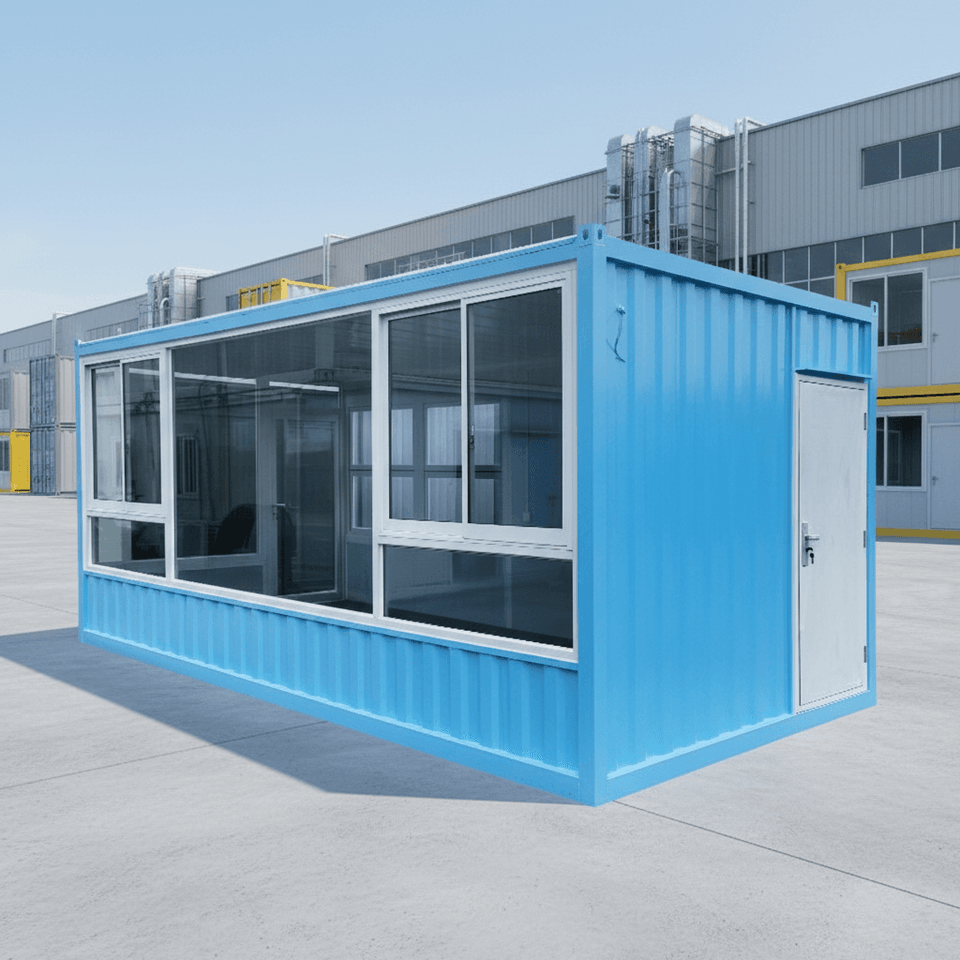
Definition and Basic Characteristics
A portable toilet is a sanitary facility that can be moved as a whole. Its core advantages lie in its "portability" and "flexibility". It can be quickly deployed at specific locations according to fixed or temporary needs, such as public places like stations, docks, and tourist attractions, or temporary event sites like sports events and opening ceremonies. Its design typically adopts a modular structure, supporting independent use of single units or combination of multiple units into large public toilets to meet the needs of different-sized crowds.
Technical Features and Eco-Friendly Solutions
The eco-friendliness of portable toilets is reflected in their diverse technical solutions:
- Waterless Flush Type: It processes excrement through physical or chemical means without the need for water flushing, suitable for water-scarce areas or temporary events. For example, some models use sealed bags to collect feces, which are directly replaced after use to avoid pollution.
- Foam Sealing Type: It uses foam generated by foaming agents to cover the surface of excrement, forming a sealed layer to isolate odors while reducing water consumption. This technology is commonly found in high-end portable toilets, balancing hygiene and water-saving needs.
- Water Flush Type: Although it requires a small amount of water for flushing, it achieves water resource reuse through a circulation and filtration system, reducing overall water consumption. For example, the towed and trailer-mounted mobile eco-friendly smart public toilets use a microbial degradation system to break down excrement into harmless substances, achieving zero emissions.
- Microbial Degradation Technology: It decomposes organic matter through specific bacterial strains into carbon dioxide and water, without the need for external sewage pipes. This technology is commonly found in portable toilets used for long periods, such as construction sites or campsites.
Application Scenarios and Adaptability
Portable toilets have a wide range of applications, covering both fixed locations and temporary events:
- Fixed Locations: In densely populated areas like villa districts, new residential areas, and squares, where the construction cost or cycle of traditional public toilets is high, portable toilets can serve as transitional solutions.
- Temporary Events: Scenarios like entertainment performances and conferences require a rapid increase in sanitary facilities. Portable toilets can be allocated as needed and removed after the event, avoiding resource waste.
- Outdoor Environments: In natural places like gardens, tourist attractions, and campsites, portable toilets can reduce ecological damage while meeting the needs of tourists. For example, the towed and trailer-mounted public toilets, with a width of only about two meters, can be transported by vehicles to remote areas.
You may also like

Portable Toilet Container in 2026: Buying Guide & Recommendations
Read More
Portable Toilet Color Steel Custom & OEM: Design & Bulk Production Guide
Read More
Portable Toilet Color Steel: Top Options & Considerations
Read More