
Back to blog
Article
Portable Toilet Picture: The Complete Buying Guide
Admin October 28, 2026
The complete buying guide for portable toilets requires comprehensive consideration from four aspects: types, advantages, trends, and purchasing strategies.
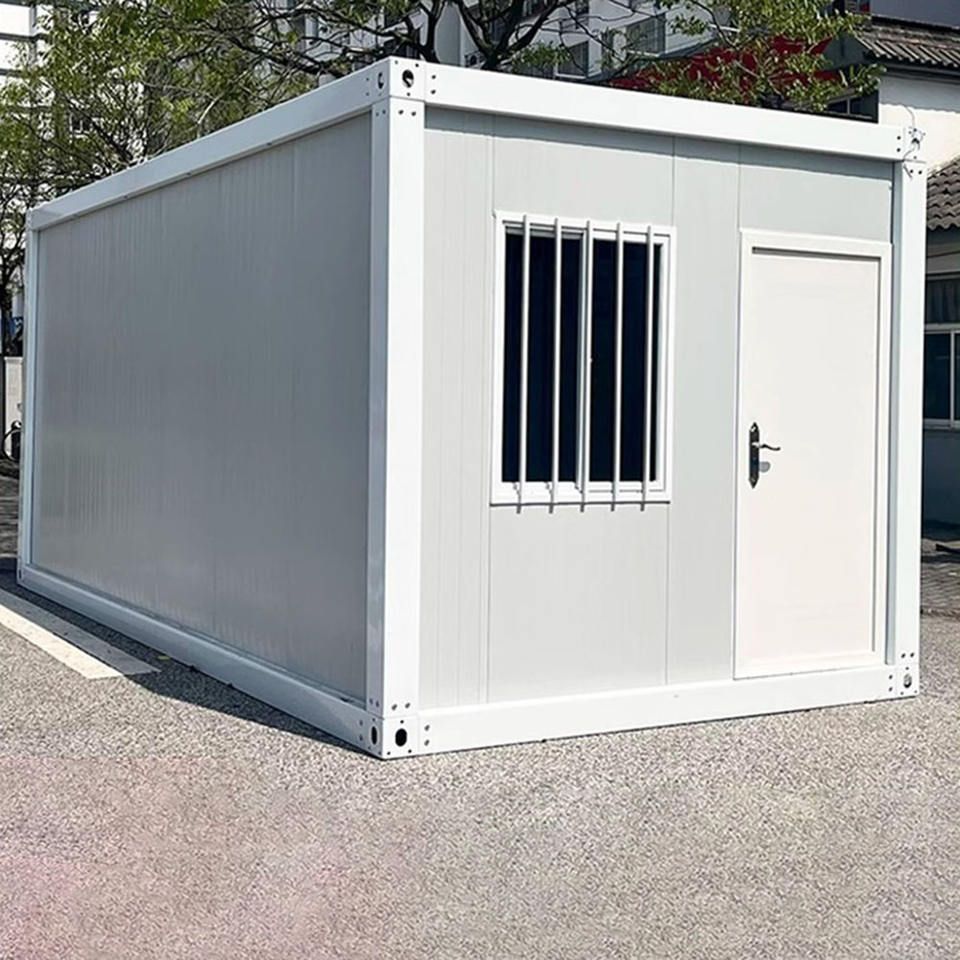
I. Types and Classifications
The classification of portable toilets should be based on usage scenarios and functional requirements:
- Structural Form: Single-unit structures are suitable for small-scale temporary use (e.g., exhibitions, construction sites), while composite structures are ideal for high-traffic scenarios (e.g., music festivals, tourist attractions).
- Mobility Method: Lifting/handling types rely on mechanical equipment and are suitable for long-term deployment at fixed locations; powered/trailer types can move autonomously and are suitable for switching between multiple scenarios (e.g., road trips, emergency rescue).
- Sewage Treatment: Water-flush types rely on water sources and are suitable for areas with infrastructure; non-water-flush suction types use vacuum pumps to treat waste and are suitable for water-scarce environments; recirculating water-flush types reuse water through filtration systems, highlighting environmental protection; dry-pack types directly seal waste without sewage pipes and are suitable for remote areas.
- Material: Plastic portable toilets are lightweight and easy to clean, while color-steel portable toilets offer greater durability; the choice depends on budget and usage frequency.
- Special Types: Portable composting toilets have surged in popularity due to environmental demands, becoming the mainstream choice for outdoor living, off-grid residences, and emergency scenarios. They decompose waste through microorganisms, achieving zero pollution emissions.
II. Core Advantages
- Mobility: Adapts to dynamic site changes, reducing costs associated with relocating fixed facilities (e.g., flexibly adjusting toilet quantities during peak tourist seasons).
- Environmental Protection: Composting toilets reduce pollution through natural decomposition, complying with global environmental standards, especially suitable for ecologically sensitive areas.
- Resource Conservation: Occupies only one-third of the space of traditional toilets, with factory prefabrication reducing labor and material costs.
- Design Optimization: Upgraded internal configurations (e.g., non-slip floors, ventilation systems) and aesthetically pleasing, practical exteriors enhance user experience.
III. 2026 Market Trends
- Demand-Driven Growth: Outdoor adventures, off-grid living, and changing global travel habits are driving the popularity of portable composting toilets, with an expected annual market growth rate of 15%.
- Consumer Preferences: Compact design, odor control, rapid processing capabilities, and low waste footprints are key purchasing factors.
- Expanded Application Scenarios: Growing demand for road trips, boating, off-grid cabins, and household emergency reserves is pushing products toward multifunctionality.
IV. Purchasing Recommendations
- Scenario Matching: Prioritize non-water-flush types for temporary events, composting types for long-term off-grid living, and composite water-flush toilets for high-traffic tourist attractions.
- Technical Compliance: Choose sewage treatment methods that comply with local environmental regulations (e.g., EU CE certification, U.S. EPA standards).
- Mobility Needs Assessment: Lifting types are suitable for fixed locations, while trailer types are ideal for multi-scenario switching; lightweight designs should be considered for mountainous or roadless areas.
- Additional Features: Select optional features like solar power, smart monitoring systems, or antimicrobial materials based on needs to enhance convenience and hygiene.
For further details on specific products or technical specifications, refer to the 2026 Portable Composting Toilet Market Report or portable toilet design standards.
Related



