
Portable Toilet for Outdoor Temporary Use
Portable toilets are suitable for outdoor temporary scenarios, offering advantages such as mobility, modularity, and ease of transportation to meet temporary toilet needs.
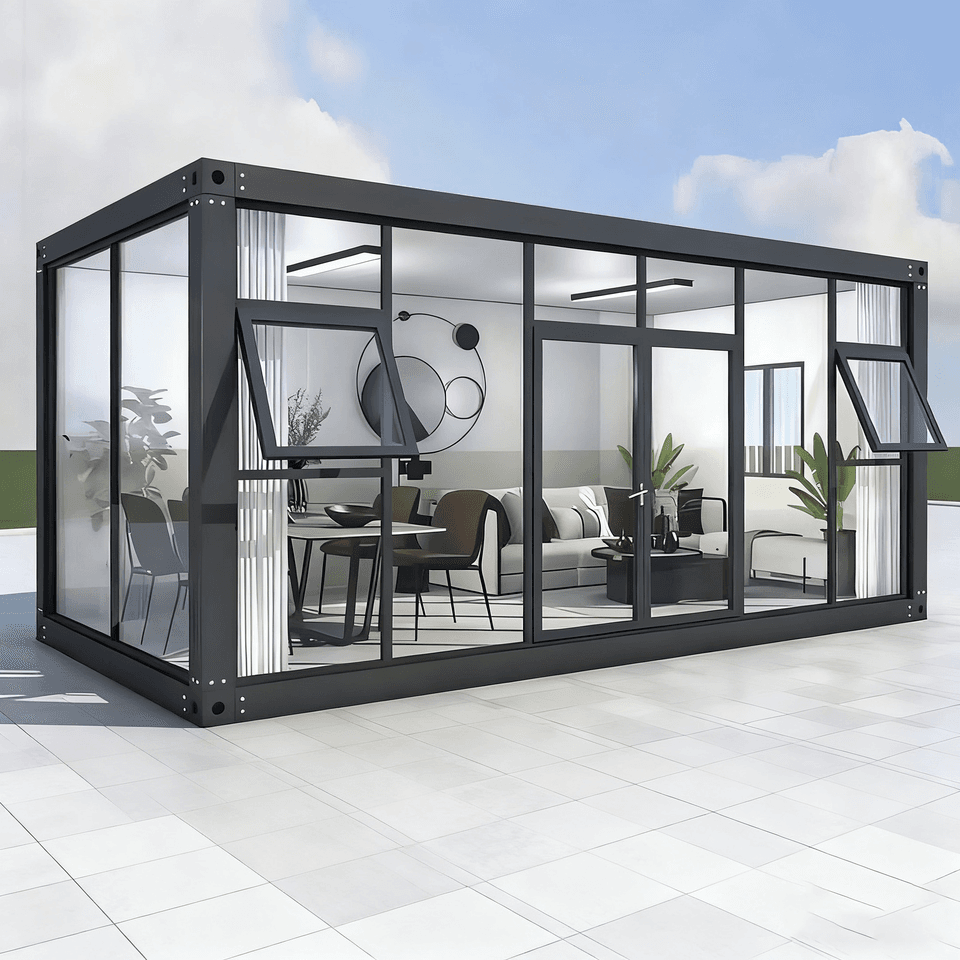
A portable toilet (Portable toilet) is a fully mobile facility specifically designed for locations with fixed or temporary needs, providing toilet services to the public and customers. It is particularly well-suited for outdoor temporary scenarios, such as large event sites, construction sites, and tourist attractions, where rapid and flexible solutions to toilet needs are often required due to high population density or inadequate infrastructure.
In terms of structural composition, portable toilets generally include a fecal sewage storage tank (or fecal sewage treatment device), flooring, sanitary fixtures, walls, washing facilities, water tanks, roofs, and mobility devices. These components together form a complete toilet system, ensuring the comfort and hygiene of users.
Structurally, portable toilets can be divided into single-unit portable toilets and composite-structure portable toilets. Single-unit portable toilets are typically simpler and suitable for small-scale or temporary needs; while composite-structure portable toilets are more complex and may include multiple toilet units, suitable for large-scale or long-term needs.
Based on mobility, portable toilets can be classified as hoisting/handling portable toilets and powered/trailer-mounted portable toilets. Hoisting/handling portable toilets usually require external equipment for movement and are suitable for relatively flat terrains; while powered/trailer-mounted portable toilets have autonomous mobility capabilities and can more flexibly adapt to various terrains.
Additionally, portable toilets can be categorized by sewage treatment methods into water-flush and non-water-flush suction portable toilets, recirculating water-flush portable toilets, and dry-packing portable toilets. These different types of portable toilets each have their own characteristics and can be selected according to actual needs. For example, water-flush and non-water-flush suction portable toilets are suitable for locations with water sources or requiring regular cleaning; recirculating water-flush portable toilets achieve water-saving effects by recycling water resources; and dry-packing portable toilets do not require a water source and are suitable for locations with water shortages or inconvenient water access.



