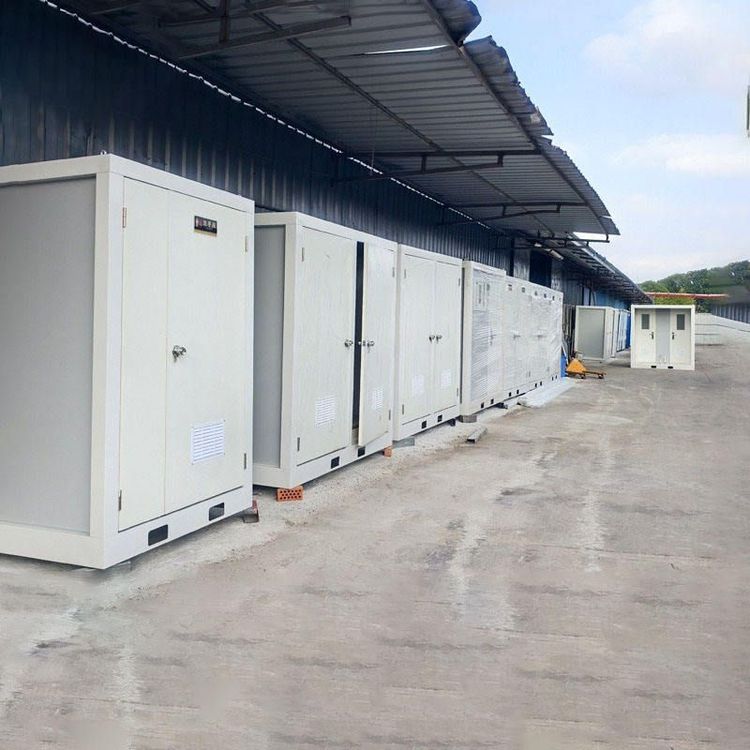
Portable Toilet Outdoor Direct Discharge
Portable toilet outdoor direct discharge is a type of toilet suitable for outdoor scenarios, where waste is directly discharged into the external environment. However, there are certain limitations and considerations in practical applications.
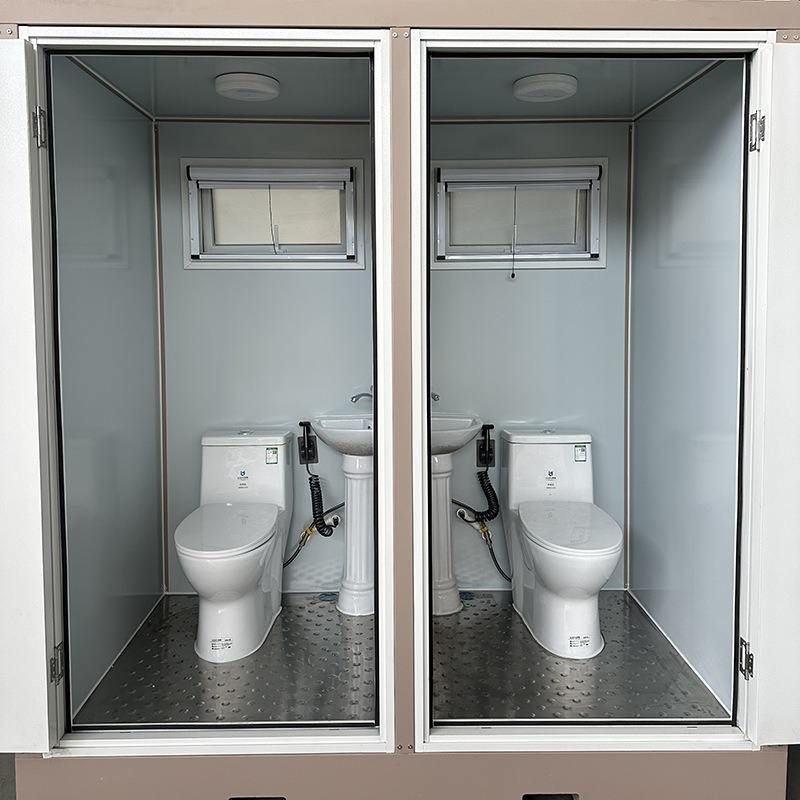
I. Basic Concept and Applicable Scenarios Portable toilet outdoor direct discharge typically refers to the process of discharging waste generated inside the toilet directly to designated outdoor areas (such as septic tanks, sewage pipes, or compliant treatment points in the natural environment) through specific pipes or structures. These toilets are mostly used in scenarios with high temporary or mobile demands, such as emergency use in outdoor scenic spots during the peak tourist season, temporary sanitation facility allocation for large outdoor events, and places with dense populations like construction sites where it is difficult to quickly build fixed toilets. Their core advantages lie in rapid deployment and flexible mobility, enabling them to quickly meet sudden or short-term public health needs.
II. Structural and Functional Characteristics
- Mobile Design: The main structure usually adopts lightweight materials (such as metal frames, high-strength plastics) or modular designs, facilitating transportation to the target location by vehicles and quick installation or relocation through lifting or dragging.
- Direct Discharge System: Waste is directly discharged through gravity or small pumping devices, eliminating the need for built-in storage tanks or frequent cleaning. Some designs may be equipped with simple filtration or sedimentation devices to reduce the risk of solid impurities clogging the discharge pipes.
- Basic Accessories: To ensure a good user experience, they are usually equipped with water tanks (for flushing), ventilation systems (to reduce odors), and simple lighting devices, but their functions are more simplified compared to fixed toilets.
III. Limitations in Practical Applications
- Environmental Compliance: Direct discharge must strictly comply with local environmental regulations. Direct discharge into the natural environment (such as soil or water bodies) may cause pollution, so it is necessary to plan compliant discharge paths in advance (such as connecting to municipal sewage networks or dedicated septic tanks).
- Usage Scenario Limitations: In ecologically sensitive areas (such as nature reserves or near water sources) or densely populated areas, direct discharge toilets may be prohibited due to environmental risks, and closed storage tanks or biodegradable toilets should be used instead.
- Maintenance Requirements: Although there is no need for frequent cleaning of storage tanks, the direct discharge pipes require regular inspection to prevent blockages or leaks. In cold regions during winter, anti-freezing measures also need to be considered to prevent pipe freezing and cracking.