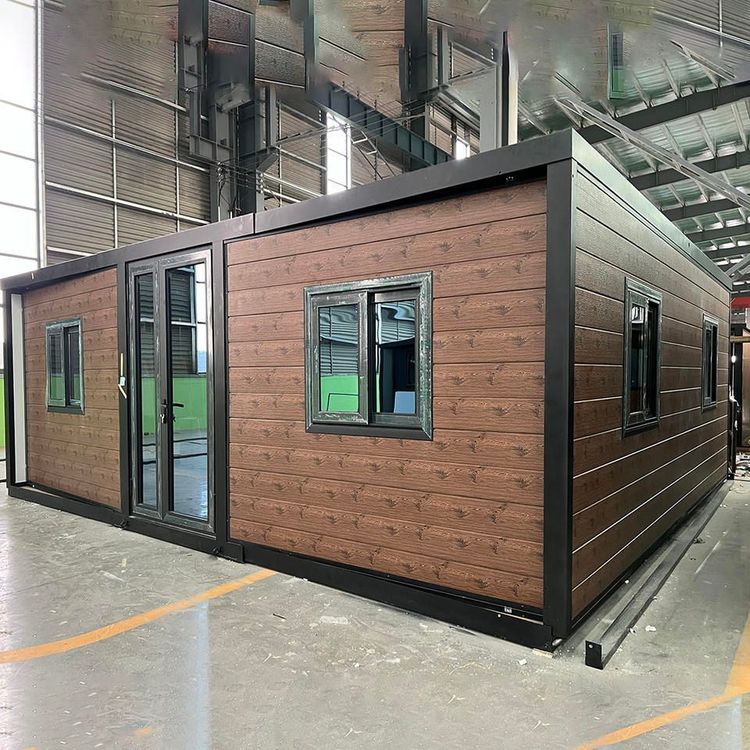
Portable Toilet Model
The portable toilet model is a scaled-down, structured representation based on the actual facilities of portable toilets. Although there is no direct introduction to the model at present, its construction approach can be understood by combining knowledge about the composition and classification of portable toilets.

Composition of Portable Toilets
Portable toilets generally consist of multiple parts, all of which need to be represented in the model construction. The fecal sewage storage tank (or fecal sewage treatment device) is one of the core components, used for collecting and treating excreta. In the model, a small container can be used to simulate it. The floor provides a flat surface for users to stand and move around, and in the model, it can be represented by a thin plate. Sanitary fixtures such as toilets or squat pans are key facilities for using the toilet and need to be made to scale. Walls serve to enclose and separate spaces and can be built using cardboard or plastic sheets. Washing facilities, including sinks, facilitate user cleaning, and a simple sink shape can be made in the model. The water tank is used for storing water for flushing the toilet and can be represented by an appropriate small container. The roof provides shelter from wind and rain and can be made from lightweight materials in the shape of a roof and placed over the model. Mobile devices such as wheels enable the entire toilet to be moved, and small wheels can be installed at the bottom of the model to simulate this.
Classification of Portable Toilets and Corresponding Models
In terms of structural form, they are divided into single-structure mobile toilets and composite-structure mobile toilets. The single-structure model is relatively simple and is an independent whole. The composite-structure model may be composed of multiple parts, and the combination relationship needs to be reflected in the model construction. According to the method of movement, there are lifting and handling types. The model can be designed with structures that facilitate lifting or handling, such as adding hooks or handles. For powered and towed types,示意 (indicative) power devices or towing interfaces can be made in the model. According to the sewage treatment method, for water-flush and waterless-flush suction types, the model needs to reflect the flushing system or suction device. For circulating water-flush types, the path and device of the water circulation need to be displayed. For dry-pack types, the design of the packing device needs to be highlighted.
Inspiration from Real-world Cases for Models
The creative case of using a water storage tank to make a portable toilet provides new ideas for portable toilet models. In model construction, the concept of transforming common items can be borrowed, and some easily obtainable and processable materials such as plastic bottles and cardboard boxes can be used to simulate the various parts of portable toilets, making the models more life-like and innovative.