
Portable Toilet Mobile Restroom
A portable toilet mobile restroom, also known as a mobile toilet, is a facility that can be moved as a whole to provide public restroom services.
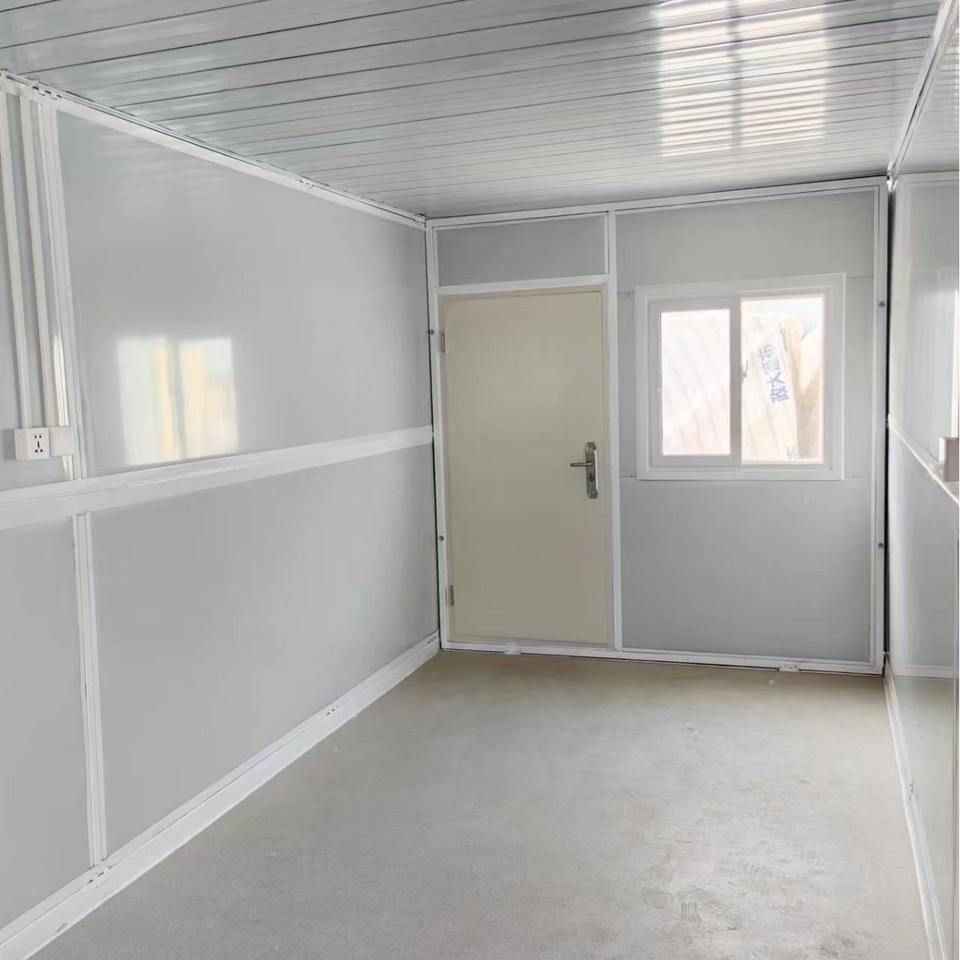
I. Basic Components A mobile restroom generally consists of a fecal sewage storage tank (or disposal unit), flooring, sanitary ware, walls, washing equipment, water tanks, roofs, and mobile units. Among them, the fecal sewage storage tank is used to collect excreta, the sanitary ware includes toilets or squat pans, the washing equipment provides hand-washing functions, and the mobile units ensure its mobility.
II. Classification Methods
- By structural form: Mobile restrooms are divided into single-structure mobile restrooms and composite-structure mobile restrooms. Single-structure units are usually independent and suitable for small-scale use; composite-structure units are composed of multiple units and can meet the needs of larger crowds.
- By mobility method: They are divided into lifting and handling mobile restrooms and powered and towed mobile restrooms. The former rely on lifting equipment or manual handling, while the latter are moved by vehicle traction or self-powered, offering higher flexibility.
- By sewage treatment method: They are classified into water-flush and waterless suction types, circulating water-flush types, and dry-packing types. Water-flush types require a water connection and use water flow to flush away excreta; waterless suction types use vacuum pumps to suck feces into storage tanks; circulating water-flush types purify sewage through a filtration system for reuse; dry-packing types use degradable bags to directly collect excreta without the need for water.
III. Core Features Mobile restrooms have the advantages of being movable, combinable, and easy to transport. They can be quickly deployed to stations, docks, tourist attractions, large construction sites, and other locations without being restricted by fixed buildings. Their design follows principles of mobility, cost-effectiveness, durability, environmental protection, and efficiency improvement. Some intelligent models are also equipped with washbasins, smart mirrors, breathing lights, and other features to enhance the user experience.
IV. Application Scenarios They are suitable for densely populated public places (such as squares and commercial streets), temporary events (such as exhibitions and music festivals), and remote outdoor scenic spots. Through flexible scheduling, they can effectively meet the restroom needs in areas with a sudden increase in people or without fixed restrooms while reducing environmental pollution.



