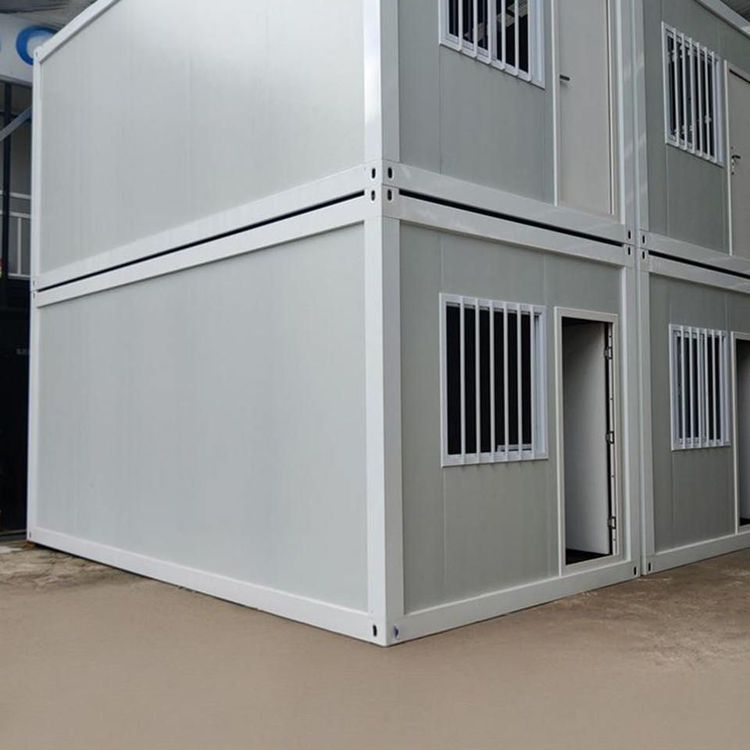
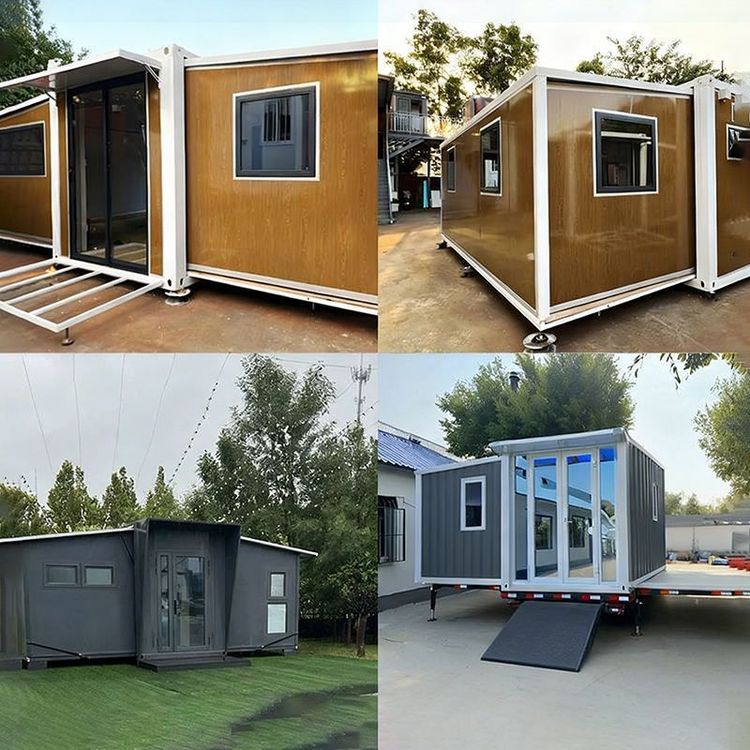
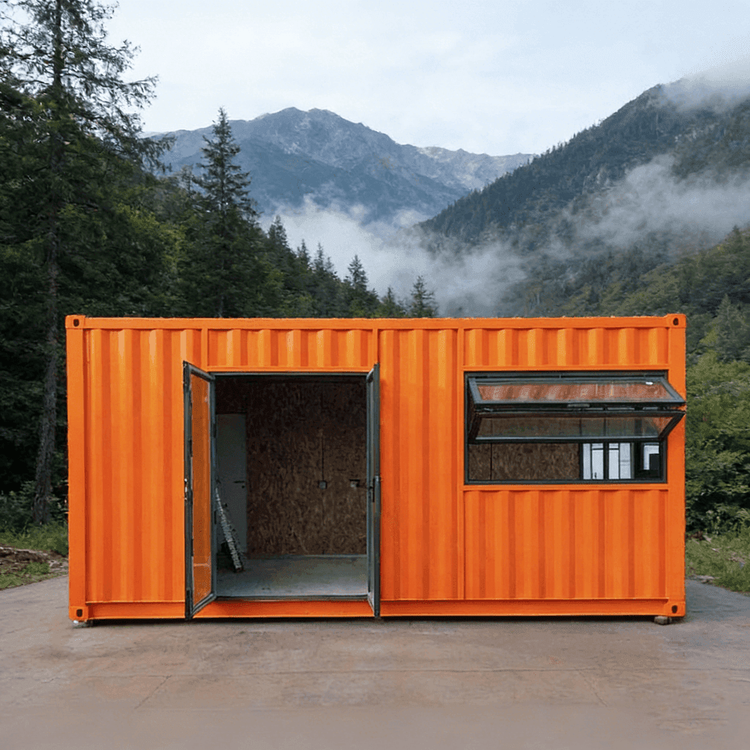
Portable Toilet Mobile House
A portable toilet mobile house, also known as a mobile toilet, is a facility that can be moved as a whole to provide public toilet services.
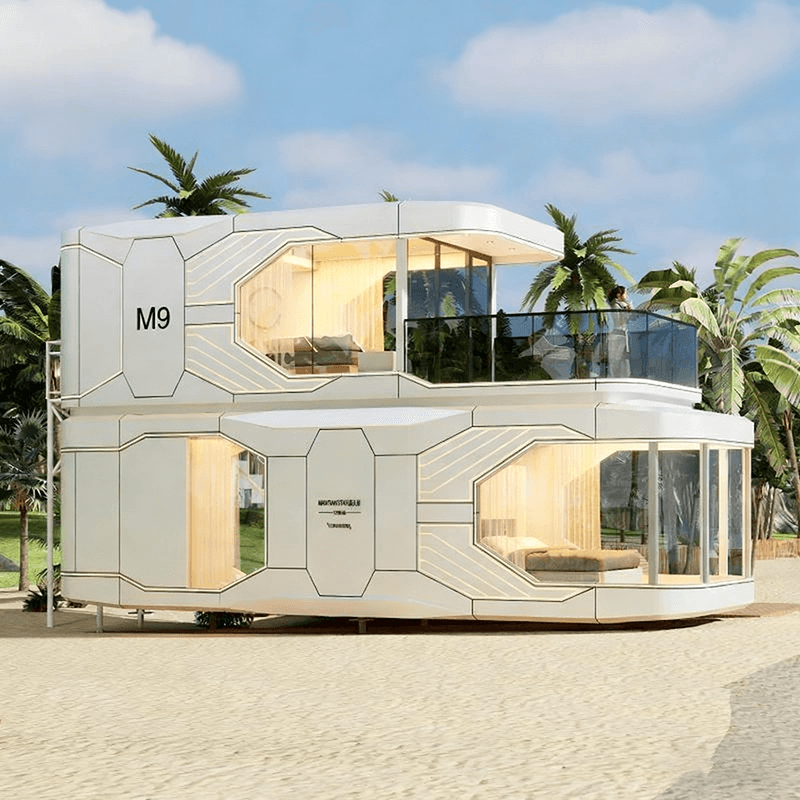
I. Basic Components A mobile toilet generally consists of components such as a fecal sewage storage tank (or fecal sewage treatment device), floor, sanitary ware, walls, washing equipment, water tank, roof, and mobile device. These components work together to ensure the basic functions of the toilet are realized. For example, the fecal sewage storage tank is used to collect and treat excreta, the sanitary ware provides convenience for using the toilet, and the walls and roof form an enclosed space to ensure privacy.
II. Classification Methods
- By structural form: Mobile toilets can be divided into single-structure mobile toilets and composite-structure mobile toilets. The single-structure type is relatively simple and independent, suitable for scenarios with limited space or single needs. The composite-structure type is more complex and may integrate multiple functional areas to meet richer usage requirements.
- By moving method: They can be classified into lifting and handling mobile toilets, and powered and towed mobile toilets. Lifting and handling types rely on external equipment for position adjustment and are suitable for short-distance movement or within fixed sites. Powered and towed types have autonomous moving capabilities and can achieve long-distance transportation through vehicle towing or their own power systems.
- By sewage treatment method: They include water-flush and waterless-flush suction mobile toilets, circulating water-flush mobile toilets, and dry-packing mobile toilets. The water-flush type uses water flow to flush excreta, offering high cleanliness but requiring water resources. The waterless-flush suction type uses negative pressure suction technology to treat feces, suitable for water-scarce areas. The circulating water-flush type achieves water resource recycling through filtration and disinfection. The dry-packing type directly packs feces for easy subsequent treatment.
III. Core Features The core advantages of mobile toilets lie in their mobility, combinability, and ease of transportation. They can be quickly deployed to temporary event sites, disaster relief areas, or regions with insufficient public facilities to meet sudden or temporary toilet needs. At the same time, modular design allows for the combination of different functional units according to actual needs, enhancing usage flexibility. For example, in 2023, the Lanzhou Yellow River Scenic Area optimized the tourist experience by placing mobile toilets. A certain dry-wet separation mobile sanitary and bathroom integrated house demonstrated the diverse application scenarios of mobile toilets through reasonable layout and functional integration.