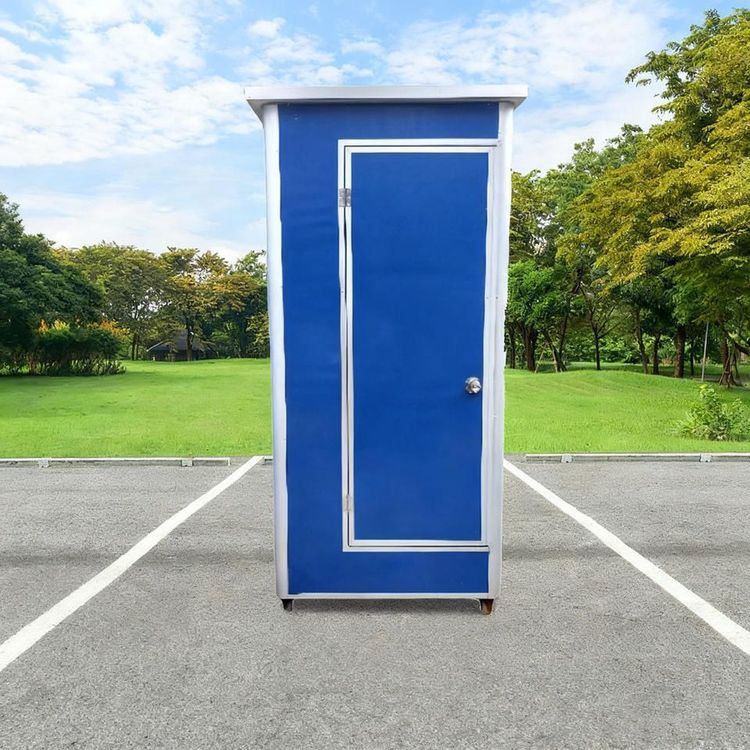
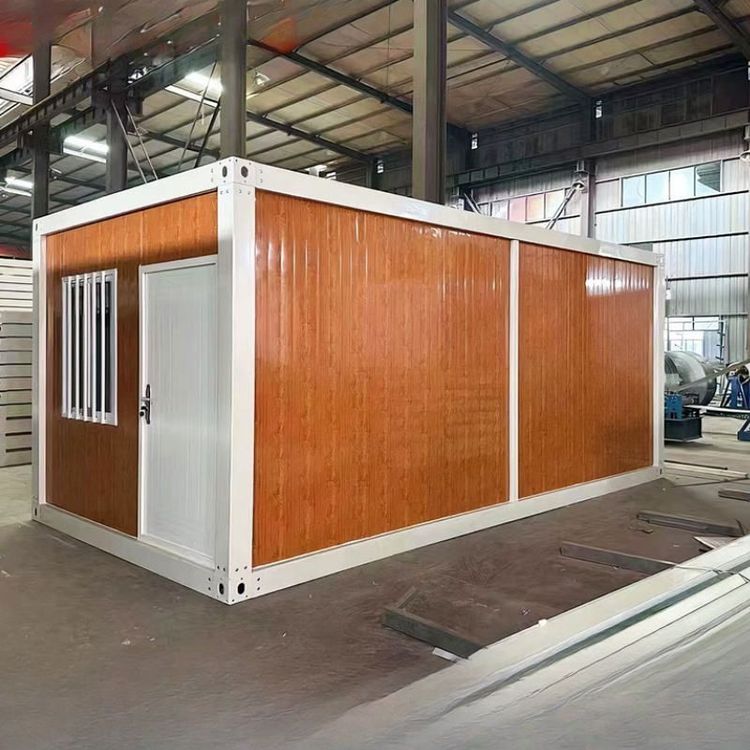
Portable Toilet Material: Top Options & Considerations
Common materials for portable toilets include plastic, fiberglass, and metal, and the choice should be based on a comprehensive consideration of usage scenarios, load-bearing requirements, and environmental friendliness.

Plastic Materials: The Preferred Choice for Lightweight and Portability
Plastic is the most commonly used material for portable toilets, especially high-strength plastics such as polyethylene. Its core advantage lies in its lightweight nature, being over 30% lighter than traditional metal materials, and its corrosion resistance, making it suitable for outdoor damp environments. Some products feature a foldable design, significantly saving storage space and meeting the needs of camping, hiking, and vehicle-mounted scenarios. In terms of environmental friendliness, some plastic products have passed the European EPR certification, complying with strict environmental packaging standards and reducing ecological burdens. If frequent movement or limited space is required, plastic materials are an ideal choice.
Fiberglass Materials: Balancing Durability and Limitations
Fiberglass (glass fiber reinforced plastic) was once the mainstream material for mobile toilets, known for its sturdy structure and ability to withstand certain external impacts. It was primarily used in fixed or temporary public places such as construction sites and squares. However, fiberglass has significant drawbacks: it easily absorbs odors, making cleaning difficult after long-term use, and the material is non-degradable, resulting in poor environmental friendliness. With technological advancements, its applications have gradually been replaced by other materials, and it is now only used in small quantities in scenarios that require long-term use and are insensitive to odors.
Metal Materials: Representatives of High Load-Bearing and Stability
Metal materials, such as steel, are renowned for their durability. Some medical folding toilets use powder-coated steel frames with a load-bearing capacity of up to 350 pounds, suitable for scenarios requiring high stability. For example, in home backup, medical assistance, or situations requiring the support of larger weights, metal materials provide reliable support. However, metals are relatively heavy, with poor portability, and may rust when exposed to damp environments for extended periods, requiring regular maintenance. If the usage scenario is fixed and high load-bearing is required, metal materials are a better choice.
Selection Recommendations: Combining Needs and Scenarios
- Prioritize plastic materials: If lightweight, easy portability, and frequent movement are required, such as in outdoor activities or emergency scenarios, plastic (especially polyethylene) is the best choice.
- Consider metal or fiberglass: If long-term use or high load-bearing is required (such as in medical or home backup scenarios), weigh the durability of metal against the initial cost of fiberglass, but be mindful of the maintenance requirements of metal and the odor issues of fiberglass.
- Pay attention to environmental certifications: Choosing products that have passed certifications such as EPR can reduce the impact on the environment.
Additionally, details such as foldable structures and additional features (such as anti-slip designs and sealing) may vary depending on the material and should be further screened based on specific needs.