Portable Toilet Frame
The structure and product information of portable toilets are as follows:

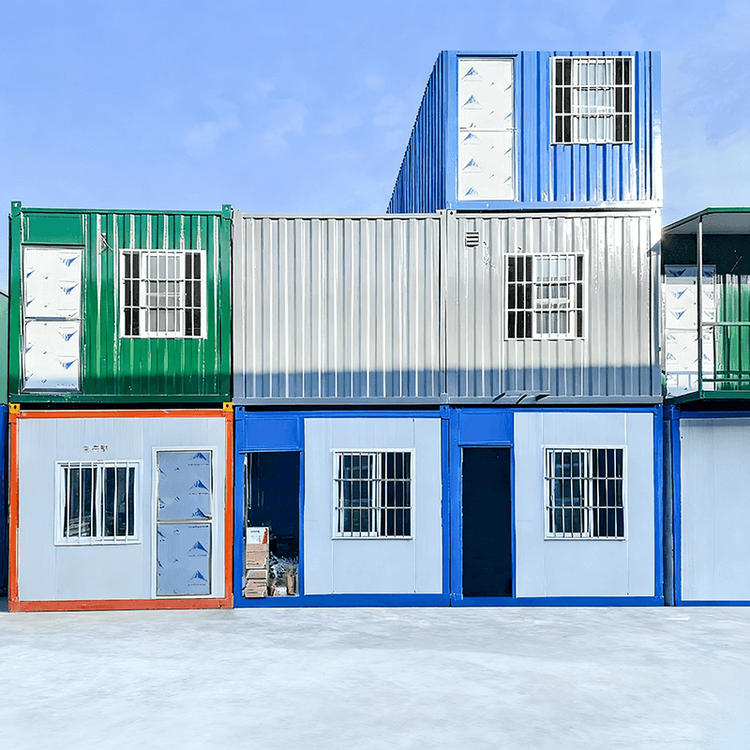
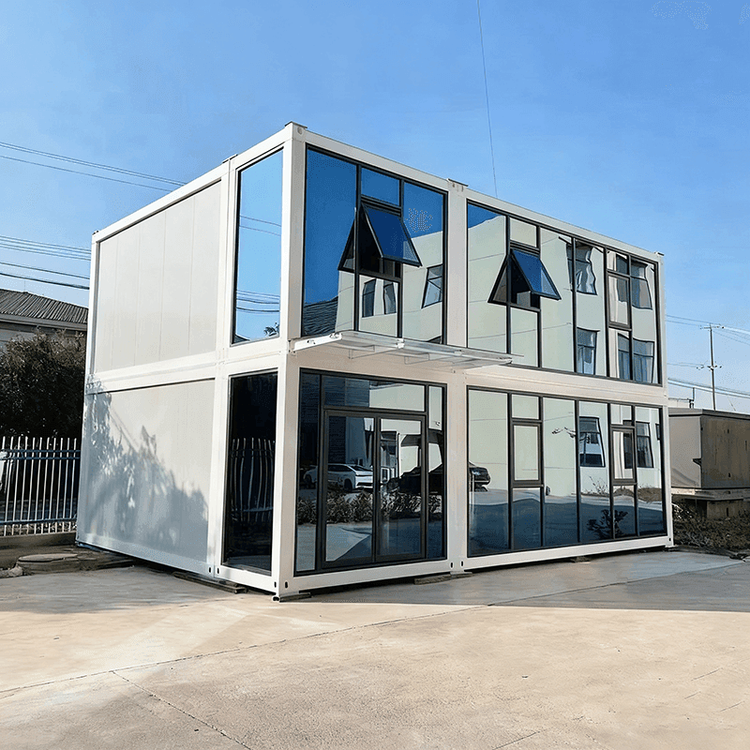
Main Frame and Materials: Portable toilet companies often use steel structures as the main frame. This structure provides sufficient stability and durability, ensuring the safe use of toilets in different environments. For exterior wall materials, options include galvanized steel sheets, stainless steel sheets, aluminum sheets, or metal carved panels. These materials are not only aesthetically pleasing but also have good corrosion resistance and wind pressure resistance. Internally, rock wool or polyurethane is commonly used for thermal insulation, effectively addressing temperature changes under different climatic conditions. The floor is laid with anti-slip flooring and paired with a waterproof layer, ensuring the safety of users and preventing water damage to the toilet structure. Doors and windows often use aluminum alloy profiles with insulated tempered glass, ensuring ventilation and lighting while enhancing the toilet's sealing and sound insulation.
Product Types: Portable toilets come in a variety of types. Common ones include single-unit portable toilets, which are independent compartments suitable for places with dispersed foot traffic, such as parks and scenic spots. There are also modular portable toilets that form multiple toilet compartments through modular assembly and can even be equipped with sinks, urinals, and other facilities to meet the needs of crowded places. Additionally, to meet special needs, there are portable toilets with barrier-free access for the disabled, eco-friendly toilets such as those using microbial degradation or recycled water flushing to reduce environmental pollution, and luxury portable toilets equipped with air conditioning, lighting, ventilation fans, and other facilities to enhance user comfort.
Classification Methods: Portable toilets can also be classified by structural form, mobility method, and sewage treatment method. By structural form, they can be divided into single-structure portable toilets and composite-structure portable toilets; by mobility method, they can be divided into hoisting and handling portable toilets and powered and towed portable toilets; by sewage treatment method, they can be divided into water-flush and waterless suction portable toilets, recycled water-flush portable toilets, and dry-packing portable toilets. These classification methods help users choose the appropriate type of portable toilet based on actual needs.