
Portable Toilet for Urination and Defecation
A portable toilet for urination and defecation is a facility that can be moved as a whole and set up in fixed or temporary locations to provide toilet services for the public and customers. The following is an introduction from aspects such as composition, classification, and application scenarios:
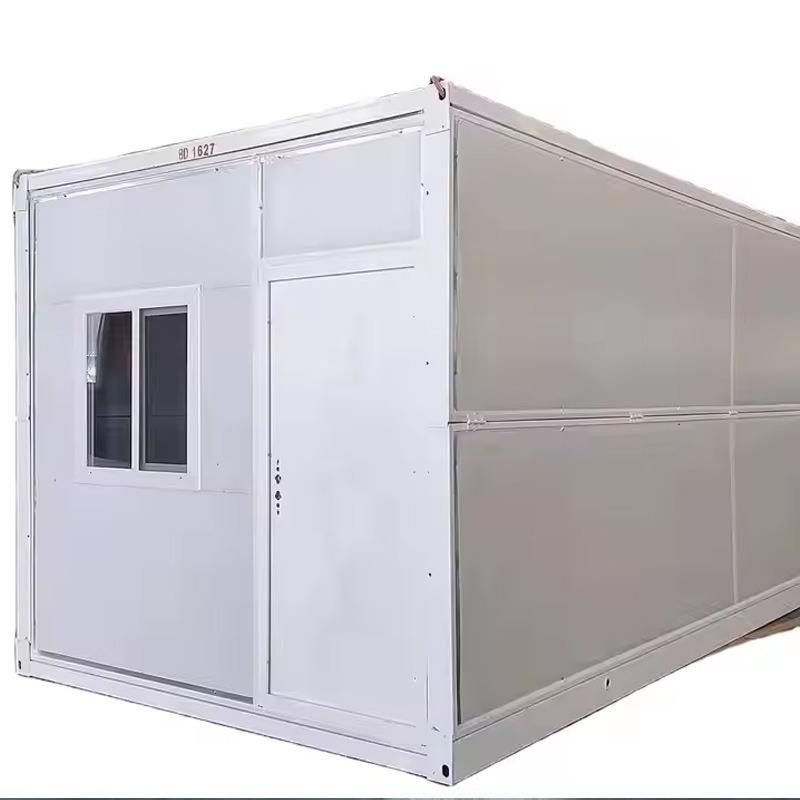
I. Composition
A portable toilet for urination and defecation generally consists of multiple parts. The fecal sewage storage tank (or fecal sewage treatment device) is one of the core components, used to collect and treat fecal sewage to prevent direct discharge from polluting the environment. The floor provides a stable standing and moving space for users, ensuring safety during use. Sanitary ware, including toilets, is the part directly used by people, and its design and performance directly affect the user experience. The walls serve to divide the space and protect privacy, while also blocking external interference to a certain extent. Washing equipment such as sinks allows users to clean their hands after using the toilet, maintaining hygiene. The water tank is used to store water for flushing the toilet, ensuring timely flushing when needed. The roof provides shelter from wind and rain, protecting the internal facilities from weather conditions. The mobile device enables the toilet to be moved as a whole conveniently, meeting the usage needs of different locations.
II. Classification
According to the sewage treatment method, portable toilets can be divided into several types. Water-flush and non-water-flush suction-type portable toilets: the former flushes feces into the storage tank or treatment device through water flushing, while the latter collects feces by suction. Recirculating water-flush portable toilets treat the used water and reuse it for flushing, achieving water resource recycling and saving water. Dry-packing portable toilets pack the feces in a dry manner without using water, making them suitable for areas with scarce water resources.
III. Application Scenarios
Different types of portable toilets have different applicable scenarios. For example, a 304 stainless steel toilet with separate urination and defecation functions and a squatting pan has features such as a small size that saves space, separation of feces and urine, and separation of dry and wet areas. It is suitable for rural toilet renovations and dry toilet renovations, effectively improving rural sanitation conditions. A regular portable toilet, with a gray and white color scheme, a simple and well-equipped interior, separate male and female areas, a sturdy and durable overall steel structure frame, and light and ventilation sliding windows, is suitable for temporary event venues and construction sites in cities, providing convenient toilet services for people.



