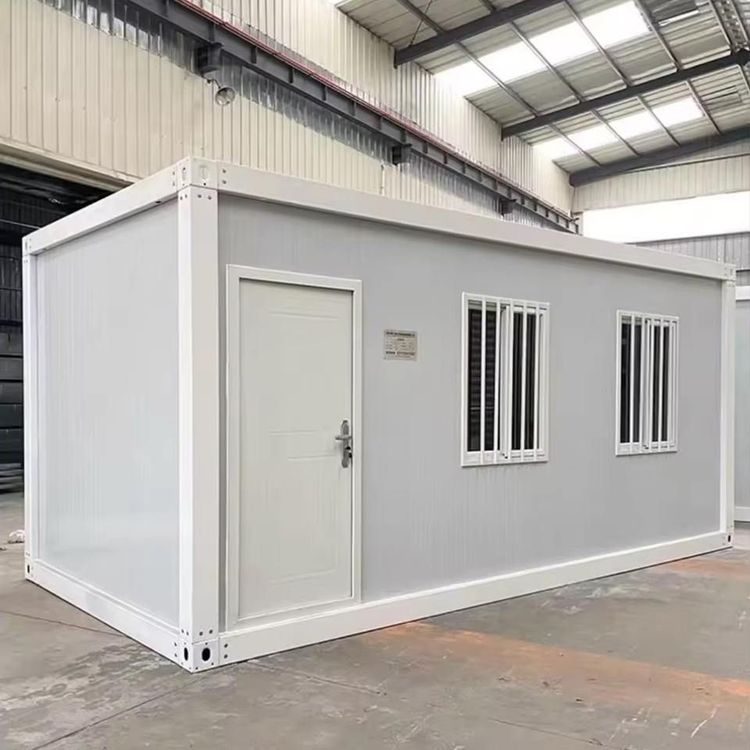
Portable Toilet for Outdoor Use
A portable toilet is a movable restroom facility suitable for outdoor locations, featuring advantages such as mobility, modularity, and ease of transportation. It is widely used in stations, docks, tourist attractions, and other settings.

Structural Composition
A portable toilet typically consists of a fecal sewage storage tank (or fecal sewage treatment device), flooring, sanitary fixtures, walls, washing equipment, water tank, roof, and moving device, among other components. These parts work together to ensure complete restroom functionality while meeting mobility and setup requirements. For example, the fecal sewage storage tank collects and treats waste, sanitary fixtures provide basic restroom equipment, and the moving device facilitates overall handling and installation.
Structural Form Classification
- Single-unit portable toilets: These have a relatively independent structure, are usually smaller in size, and are suitable for locations with limited space or high flexibility requirements.
- Composite-structure portable toilets: Composed of multiple parts, these can be expanded or adjusted according to actual needs, making them suitable for places with high foot traffic or requiring more restroom stalls.
Mobility Classification
- Hoisting and handling portable toilets: These rely on cranes and other equipment for hoisting and handling, making them suitable for locations requiring frequent movement or with complex site conditions.
- Powered and towed portable toilets: Equipped with their own power devices or capable of being towed by vehicles, these offer greater mobility and are suitable for long-distance transportation or scenarios requiring rapid deployment.
Sewage Treatment Classification
- Water-flush and waterless suction portable toilets: Water-flush types use water from tanks for flushing, while waterless suction types use suction devices to treat waste, making them suitable for locations with water sources or high hygiene requirements.
- Recirculating water-flush portable toilets: These use a recirculation system to purify and reuse water, conserving water resources and making them suitable for areas with water scarcity.
- Dry-packing portable toilets: These treat waste through dry packing, requiring no water source, and are suitable for arid or waterless outdoor locations.
Special Designs and Specifications
Some portable toilets feature special designs, such as an overall galvanized steel frame structure that is sturdy and durable, with a service life of up to 15 years. Exterior wall panels can be selected in bright colors like orange brick patterns to enhance aesthetics. There are also factory-use 4-stall portable toilets, measuring 4 meters in length and 2.5 meters in width, with a pointed roof, waterproof asphalt tiles, and color-blocked wall designs. The front wall uses aluminum alloy restroom doors for lighting and ventilation, meeting the needs of specific locations.