
Exterior Wall Materials for Portable Toilets
The exterior wall materials for portable toilets (outdoor movable toilets) offer a wide range of choices, including metal frames, anti-corrosion wood panels, PVC plastic panels, color-coated steel sheets, metal embossed panels, stainless steel sheets, aluminum-plastic panels, fiberglass-reinforced plastic, and eco-friendly plastic materials. Different materials are suitable for different scenarios and should be selected based on comprehensive considerations of needs.
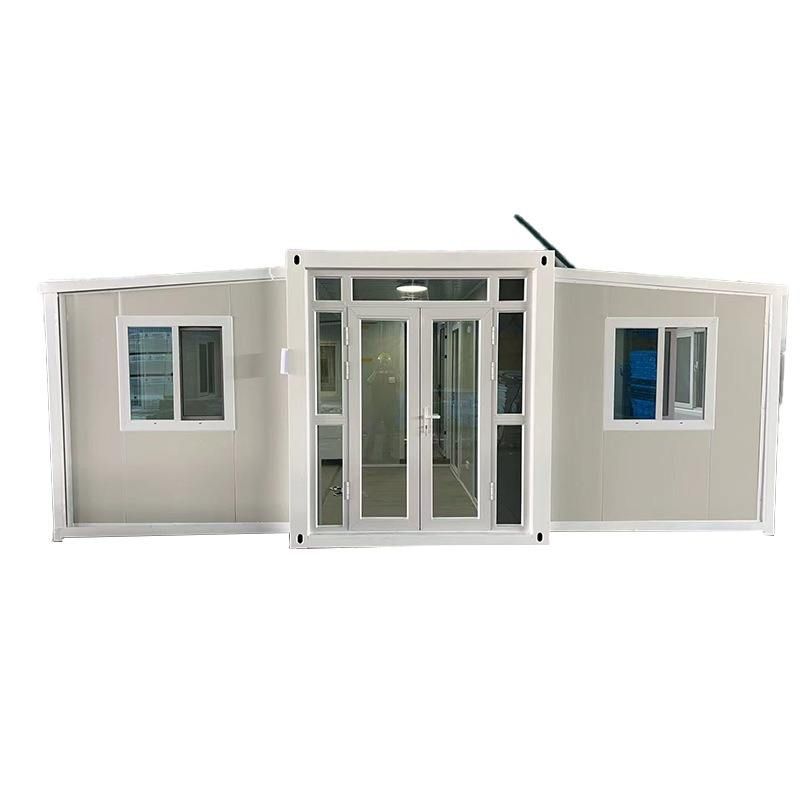
Metal frames serve as the foundational structural material for portable toilets, typically made of aluminum alloy or galvanized steel. Their core advantages lie in their sturdiness and durability, effectively resisting external forces such as wind pressure and vibrations, while also possessing good corrosion resistance to adapt to harsh environments like humidity and salt spray. Additionally, metal frames can be flexibly assembled through welding or bolting, facilitating easy transportation and rapid setup, making them key materials for ensuring the overall stability of the toilet.
Anti-corrosion wood panels are treated with pressurized impregnation of preservatives, enabling long-term resistance to fungal and insect infestations, even in humid or rainy environments. Their natural wood grain texture enhances the aesthetic appeal of the toilet, making them particularly suitable for scenic spots and parks that emphasize landscape harmony. However, it should be noted that anti-corrosion wood panels require regular maintenance (such as applying waterproof paint) to extend their service life.
PVC plastic panels, based on polyvinyl chloride, exhibit excellent waterproof and moisture-proof properties, effectively preventing rainwater penetration and maintaining internal dryness. Their smooth surface is easy to clean, and they can achieve a variety of color options by adding color masterbatches to meet personalized needs. Furthermore, PVC panels are lightweight, easy to install, and cost-effective, making them a high-value choice.
Color-coated steel sheets are composed of galvanized steel sheets with a colored coating, offering lightweight construction and high installation efficiency. Their surface coating can resist ultraviolet rays and acid rain erosion, with a service life of 8-10 years, suitable for scenarios with limited budgets and less stringent appearance requirements, such as construction sites and temporary event venues.
Metal embossed panels, based on galvanized steel sheets, feature embossed three-dimensional patterns on their surface, combining thermal insulation with fire resistance (with a fire rating up to Class A). Their aesthetically pleasing appearance makes them suitable for public restrooms in urban streets and commercial districts that demand a high image.
Stainless steel sheets possess high flame retardancy, acid and alkali resistance, and rust resistance, with a smooth surface that is easy to clean, making them particularly suitable for coastal areas and chemical plants with strong corrosive environments. Their service life can reach 10-15 years, but they come at a higher cost, typically used in high-end or long-term fixed installation scenarios.
Aluminum-plastic panels, composed of aluminum alloy panels and plastic core materials, feature aging resistance and impact resistance, along with lightweight construction and good processing properties, making them suitable for toilets that require frequent movement or disassembly.
Fiberglass-reinforced plastic, based on glass fiber-reinforced resin, offers lightweight yet high strength, impact resistance, and corrosion resistance, with the ability to be molded into a seamless unit and a smooth surface that is easy to clean. Its good insulation properties make it suitable for emergency rescue and wilderness camping scenarios, with a service life of approximately 8-12 years.
Eco-friendly plastic materials (such as polyethylene) are lightweight, highly portable, and cost-effective, suitable for short-term use or temporary deployment scenarios, such as small events and post-disaster resettlement sites. However, their aging resistance is relatively poor, with a service life of about 5-8 years, requiring regular replacement.



