Portable Toilet Color Steel Installation Guide: A Complete Walkthrough
At present, the specific installation guide for 'Portable Toilet Color Steel Installation Guide: A Complete Walkthrough' has not been found, but information on the materials, structure, and installation features of portable toilets can be provided for reference.
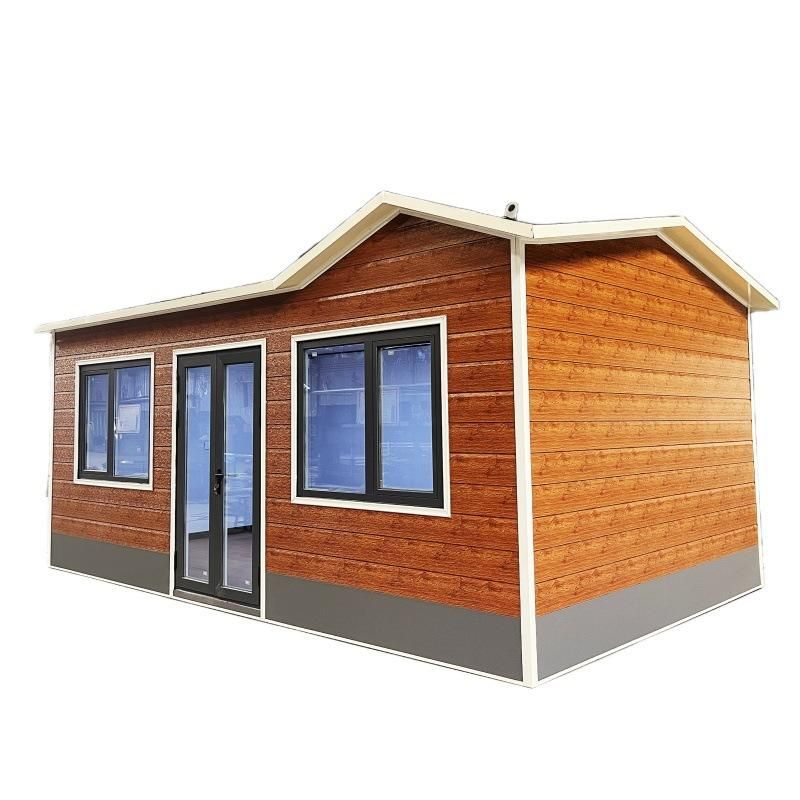
Materials and Structure
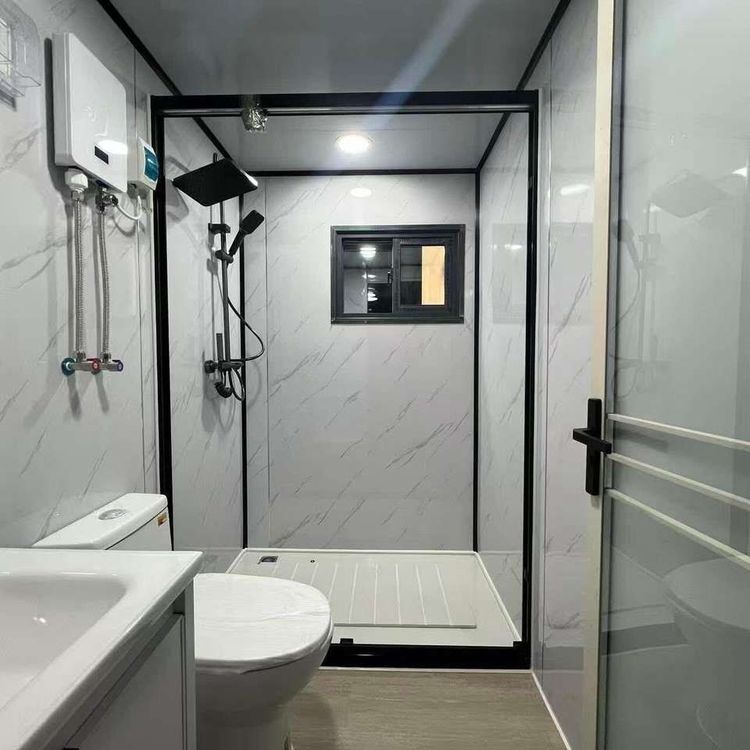
The frame structure of portable toilets is typically welded from steel. The base is usually welded using channel steel or I-beams, providing a stable support to ensure the stability of the portable toilet during use. Square steel is often used for the columns, further enhancing the structural strength. For wall materials, color-coated steel sheets and fiberglass-reinforced plastic are common. Color-coated steel sheets are rich in color, corrosion-resistant, and easy to clean, meeting the aesthetic and practical needs of different scenarios. Fiberglass-reinforced plastic is lightweight, strong, and has good weather resistance, making it suitable for use in various environments.
Modular Design Features
Some portable toilet products adopt a modular design, such as the Portable Toilet 208 model from Foshan Basic Technology Co., Ltd. Modular design makes the installation process more efficient and quick, with one person able to install 7 - 10 portable toilets in one hour. This design not only saves labor and time costs but also facilitates transportation and storage. Additionally, modular design supports customization of size, color, and internal configuration. Users can choose the appropriate size, color, and internal facilities, such as toilet types and sink configurations, according to their actual needs and usage scenarios to meet diverse usage requirements.
Factory Prefabrication and On-Site Installation
Portable toilets are usually factory-prefabricated products, meaning that most of the production and assembly work has been completed in the factory. During on-site installation, only simple assembly and fixation of the modules are required to complete the installation and put the toilet into use. This production method ensures product quality and consistency while reducing the difficulty and time of on-site construction, improving installation efficiency.