
Back to blog
Article
Portable Toilet Classification
Admin October 06, 2026
Portable toilets can be classified in various ways, covering six dimensions: structure, mobility method, sewage treatment, usage location, functional configuration, and material. Details are as follows:
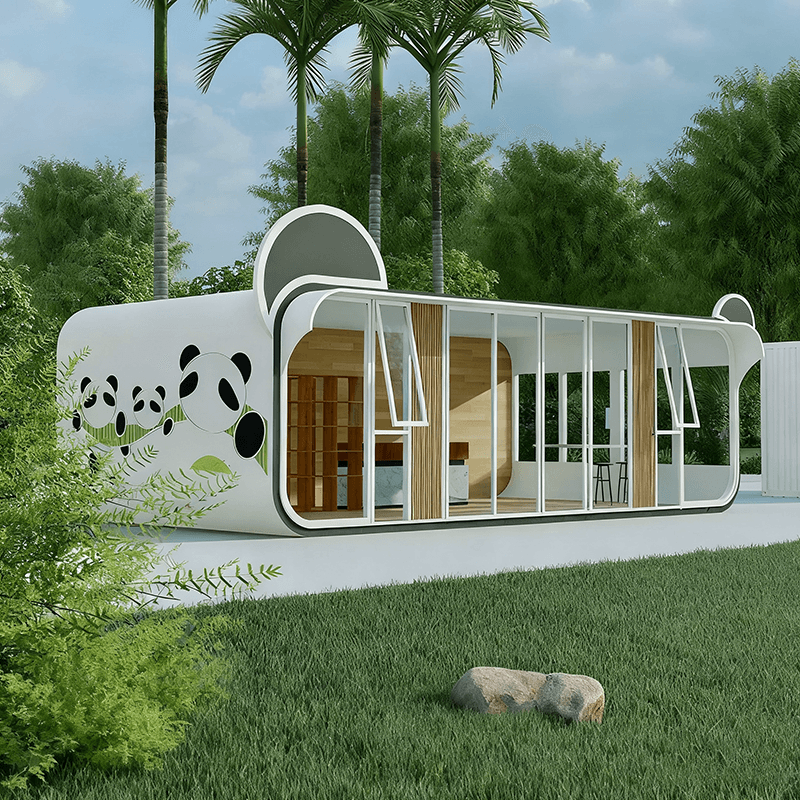
Classification by structural form
- Single-unit portable toilets: Designed as independent units, suitable for scenarios with limited space or temporary needs, such as construction sites and outdoor events.
- Modular portable toilets: Form multiple toilet compartments through modular assembly, commonly seen at large events or public places, allowing flexible capacity expansion.
Classification by mobility method
- Lifting and handling type: Relies on lifting equipment or manual handling, suitable for short-term, low-frequency mobility scenarios.
- Powered and towed type: Equipped with a power system or towable design, facilitating long-distance transportation or frequent movement, such as in tourist attractions and emergency rescue situations.
Classification by sewage treatment method
- Waterless bagging type: Uses biodegradable plastic bags to collect waste, requiring no water flushing, suitable for water-scarce areas or regions with high environmental protection requirements.
- Ordinary water-flushing type: Requires connection to a sewage pipe and relies on a water source, suitable for fixed locations with infrastructure.
- Water-saving flushing type: Optimizes the flushing structure to reduce water consumption, balancing hygiene and water-saving needs.
- High-pressure gas-water flushing type: Uses high-pressure gas mixed with a small amount of water for flushing, saving water and having strong cleaning power.
- Foam sealing type: Reduces odors through foam coverage, saving water and being environmentally friendly, commonly used in ecologically sensitive areas.
- Microbial degradation type: Uses microorganisms to decompose waste into fertilizer, suitable for ecological parks or long-term scenarios without sewage disposal.
- Vacuum self-suction water-flushing type: Relies on a sewage tank to suction waste, such as in high-speed train toilets, requiring regular cleaning of the sewage tank.
- Dry bagging type: Emphasizes waterless flushing and sealed handling, similar to the waterless bagging type but with a greater focus on leakage prevention.
- Recirculating water-flushing type: Recycles treated water for flushing, conserving water resources, suitable for water-scarce areas.
- Combined water-flushing and waterless suction type: Combines water flushing with sewage tank collection, requiring regular suction of waste, offering high flexibility.
Classification by usage location
- Economical and practical type: Basic configuration to meet fundamental needs, suitable for construction sites and temporary markets.
- Urban modern type: Simple design, suitable for urban public spaces such as streets and squares.
- Garden landscape type: Appearance blends with the natural environment, commonly seen in parks and scenic spots.
- Star-rated standard type: High-end configuration, such as independent sinks and air conditioning, suitable for high-end venues or sporting events.
Classification by functional configuration
- With barrier-free access: Facilitates use by disabled individuals, reflecting humanistic care.
- Environmentally friendly ecological toilets: Adopt microbial degradation or recirculating water flushing to reduce environmental pollution.
- Luxury type: Equipped with air conditioning, lighting, exhaust fans, etc., enhancing user comfort.
Classification by material
- Plastic portable toilets: Lightweight and inexpensive, suitable for temporary use at construction sites.
- Color-steel portable toilets: Provide thermal and sound insulation, commonly seen in parks and streets.
- Fiberglass portable toilets: Integrally molded, durable, suitable for disaster relief and emergency situations.
- Tent-style portable toilets: Easy to assemble and disassemble, suitable for temporary events or emergency scenarios.



