
Portable Toilet
Yes, there are portable toilets (Portable toilet), which are movable facilities providing temporary or fixed toilet services to the public.
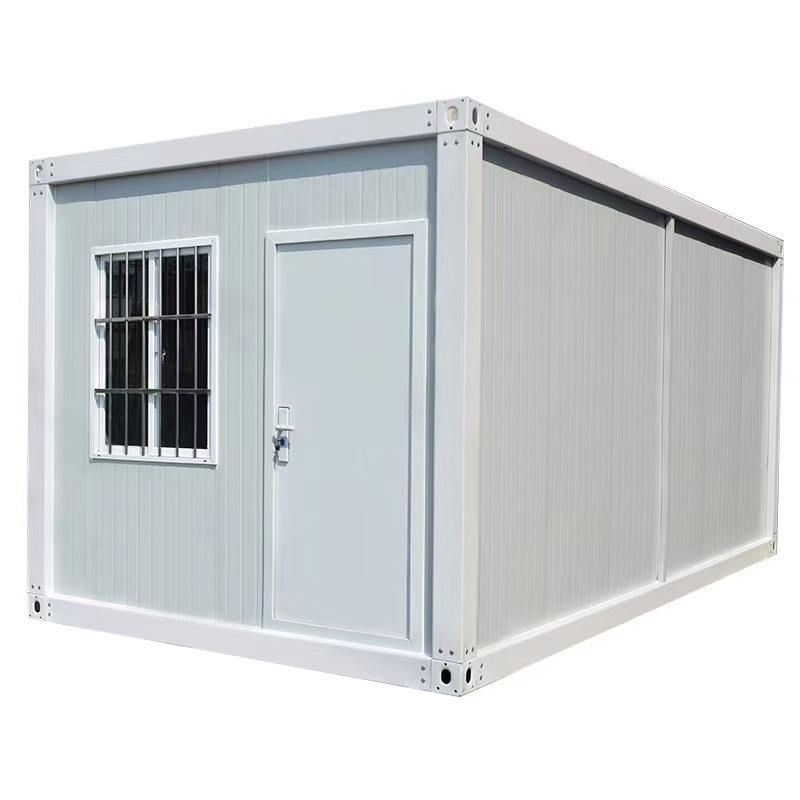
Portable toilets have a wide range of applicable scenarios, mainly serving areas with dense populations or high temporary demands. For example, stations, docks, and tourist attractions, due to high foot traffic and limited space, find it difficult for traditional fixed toilets to meet the demand. Portable toilets can be quickly deployed and flexibly adjusted in position. In villa areas and newly built residential communities, before the infrastructure is complete, portable toilets can solve the toilet problems for residents or visitors. For large construction sites and squares, which are temporary places with short construction periods or limited event durations, portable toilets can avoid the cost of repeated construction. In bustling commercial streets, due to the scarcity of land resources, portable toilets can serve as a supplement to fixed toilets, alleviating pressure during peak hours.
In terms of structural composition, portable toilets usually include core components such as fecal sewage storage tanks (or disposal devices), floor slabs, sanitary ware, walls, washing equipment, water tanks, roofs, and mobile devices. Among them, the fecal sewage storage tank is used to collect excrement. Some models are equipped with waterless flushing suction or circulating water flushing systems to reduce water consumption. The walls and roofs are made of lightweight materials, ensuring structural strength while facilitating transportation. The mobile devices are divided into lifting, towing, or powered types according to different designs, adapting to the handling needs of different scenarios.
According to functional characteristics, portable toilets can be divided into three categories:
- By structural form: Single-unit portable toilets are small in size and highly independent, suitable for single-point use. Composite-structure portable toilets are composed of multiple units and can be expanded into multiple toilet stalls or add management rooms, suitable for large-scale events.
- By mobility method: Lifting and handling types rely on lifting equipment and are suitable for short-term fixed positions. Powered and towing types are equipped with engines or traction devices and can move autonomously, suitable for itinerant services.
- By sewage treatment method: Water flushing and waterless flushing suction types rely on chemical agents or vacuum suction to reduce odors. Circulating water flushing types reuse water resources through filtration systems. Dry packing types directly encapsulate excrement without flushing, suitable for water-scarce areas.
The core advantages of portable toilets lie in their mobility, combinability, and reusability, enabling them to quickly respond to the changing demands of different scenarios while reducing construction costs and environmental impacts. They are an important part of modern urban public service facilities.



