Portable Toilet
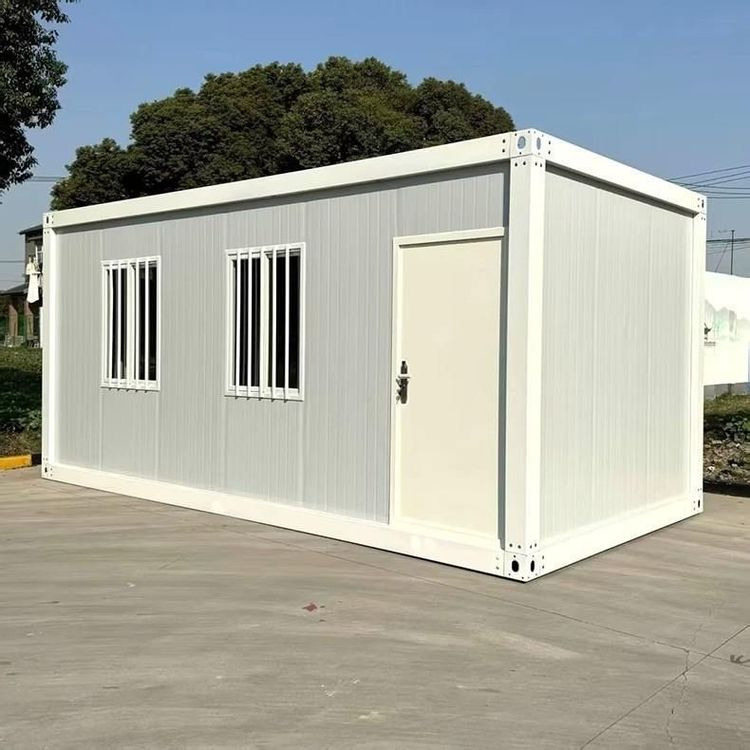
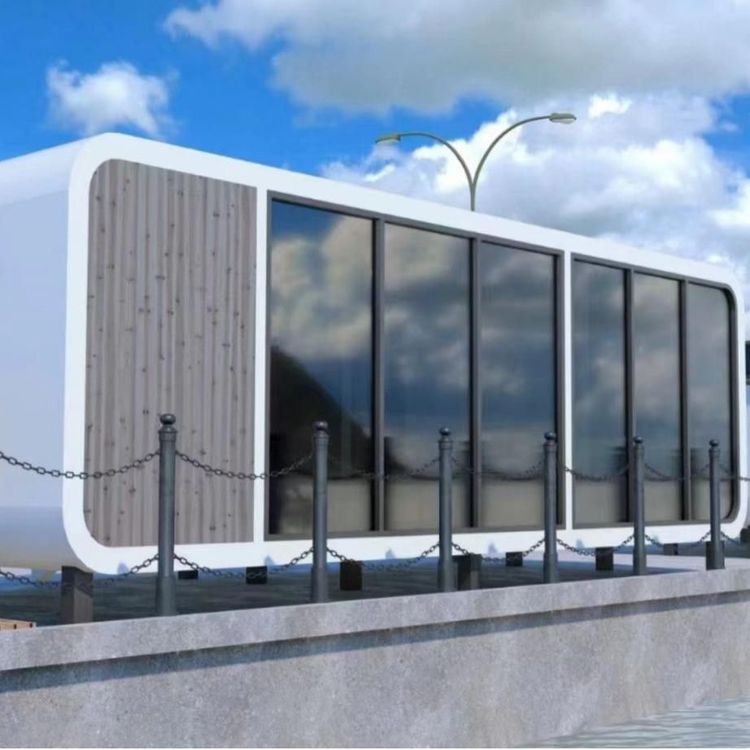
A portable toilet is a facility that can be moved as a whole and provides toilet services to the public. It is suitable for various places and has multiple classification methods and advantages.

I. Basic Definition and Suitable Places A portable toilet (Portable toilet) refers to a public sanitation facility that can be moved as a whole and is set up at fixed or temporary locations to provide toilet services to the public and customers. It is suitable for a wide range of places, including stations, docks, tourist attractions, villa areas, newly built residential communities, large construction sites, squares, densely populated public places, and bustling commercial streets.
II. Structural Composition and Material Evolution A portable toilet generally consists of a fecal sewage storage tank (or disposal device), floor slab, sanitary ware, walls, washing equipment, water tank, roof, and moving device. In terms of materials, it was initially made of wood, with a simple structure and function, and was prone to absorbing odors. Later, it gradually evolved to use materials such as fiberglass and polyethylene, improving durability and environmental friendliness.
III. Classification Methods
- By structural form: It is divided into single-structure portable toilets and composite-structure portable toilets.
- By moving method: It is divided into hoisting and handling portable toilets and powered and towed portable toilets.
- By sewage treatment method: It is divided into water-flushing and waterless-flushing suction types, circulating water-flushing types, and dry-packing types. The circulating water-flushing type is equipped with intermittent aerobic and anaerobic treatment devices, with the addition of biological strains. The treated water can be recycled for flushing. The dry-packing type has no water-flushing device, and the excreta is received by biodegradable plastic bags. After use, the bags are automatically replaced and collected for centralized treatment.
IV. Advantages and Design Principles Portable toilets have advantages such as being movable, combinable, and convenient for transportation, and can be used repeatedly. Their design follows the principles of easy movement, economic durability; environmental protection and ecological friendliness; and improving efficiency and promoting humanity. The overall structure takes into account lightness and durability, using lightweight materials, with a sturdy structure. At the same time, the height and width of the toilet are controlled, and the moving device is complete and reasonable.
V. Characteristics of Mobile Environmental Protection Public Toilets Mobile environmental protection public toilets are designed based on new materials and water-saving technologies. By automatically collecting hand-washing water and adding special agents, they achieve a flushing effect of only 0.46 liters of water per person. Their frames are welded with national standard steel, and the surface is covered with anti-corrosion and fire-resistant materials, with a service life of more than 20 years. They are equipped with independent toilet pit partition treatment systems inside, meeting relevant standards.