
Portable Toilet
A portable toilet is a facility that can be moved as a whole and provides public restroom services. It has the advantages of being movable, combinable, and easy to transport, making it suitable for various locations.
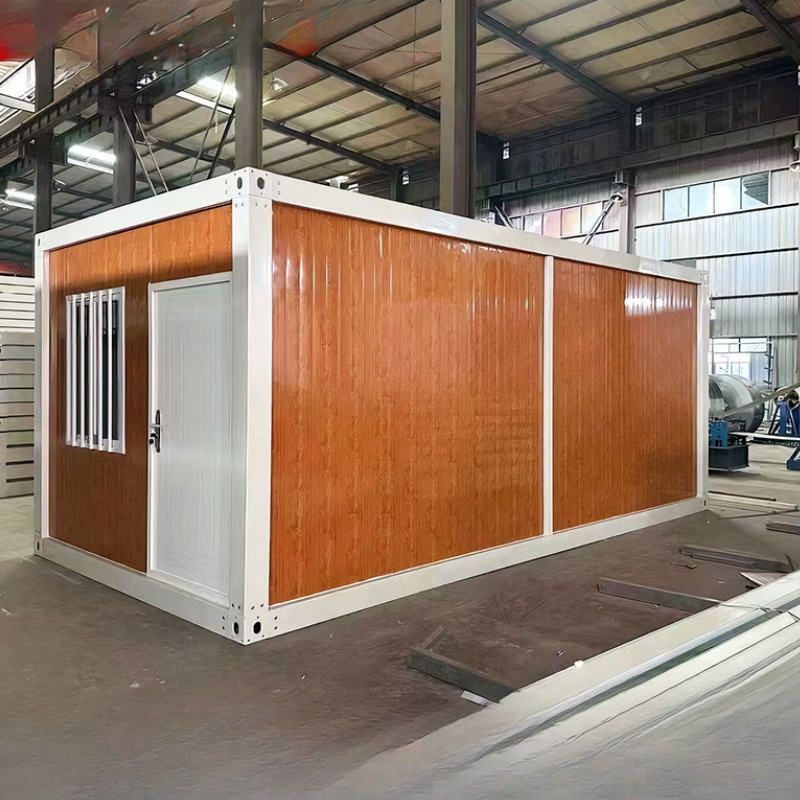
I. Basic Composition
A portable toilet generally consists of a fecal sewage storage tank (or disposal unit), flooring, sanitary ware, walls, washing equipment, a water tank, a roof, and a mobile device. Early materials were mainly wood, with a simple structure that easily absorbed odors. Later, it gradually evolved to use materials such as fiberglass and polyethylene, which are corrosion-resistant and easy to clean, improving service life and hygiene performance.
II. Classification Methods
- By structural form: Divided into single-unit structures (independent units) and composite structures (multi-unit combinations), with the latter being expandable into large public restrooms.
- By mobility method: Includes lifting/handling types (requiring mechanical assistance) and powered/trailer types (with built-in power or towable), adapting to different transportation needs.
- By sewage treatment method:
- Flush and non-flush suction types: Rely on a water storage tank or external water source, with sewage requiring regular suction for disposal;
- Recirculating flush types: Achieve sewage recycling through biological degradation or chemical treatment, saving water resources;
- Dry packing types: Such as non-flush packing toilets, which use degradable bags to collect feces without flushing, suitable for water-scarce areas.
III. Core Characteristics
- Flexibility: Can be quickly deployed to areas such as stations, docks, tourist attractions, and construction sites where fixed public restrooms are difficult to cover, making up for layout deficiencies.
- Reusability: Modular design supports multiple disassembly and transportation, reducing long-term construction costs.
- Environmental adaptability: Some models (such as those from Henan Hemai Industrial Co., Ltd.) use color-coated steel or metal embossed panel materials, come in various specifications (such as 1.3×1.3×2.35 meters), and are suitable for temperature ranges from -35℃ to 100℃, meeting extreme climate needs.
IV. Typical Application Scenarios
In 2023, mobile toilets were put into use in the Lanzhou Yellow River Scenic Area, solving the restroom problem in areas with dense tourist traffic. In addition, non-flush packing toilets, which do not require sewer pipes, are often used for temporary events, post-disaster reconstruction, or remote areas. Their sealed design effectively prevents odor leakage, meeting environmental protection requirements.



