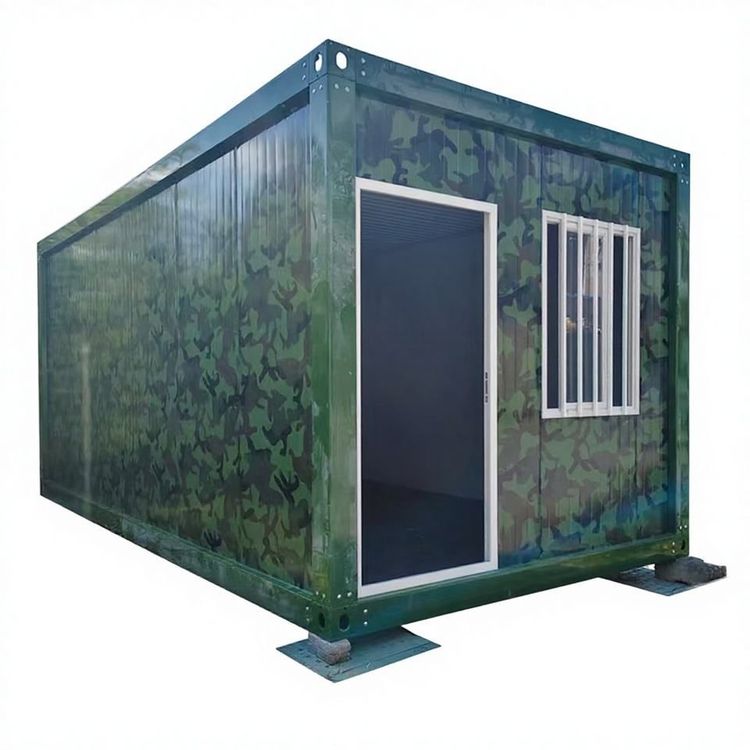
Plastic Mobile Toilet Sewage Disposal
There are mainly the following sewage disposal methods for plastic mobile toilets:

1. Flush-type (with sewage tank) This type is equipped with a top water tank and a bottom sewage collection tank. During use, a small amount of water (usually driven by a foot pump or gravity) is used for flushing, and the waste enters the sewage tank. When the capacity of the sewage tank approaches its limit, a professional sewage suction vehicle is required for cleaning. For example, the 2026 new lightweight plastic mobile toilet adopts a design that combines gravity flushing with a sewage tank, which is suitable for short-term or medium-frequency use scenarios. Its advantage lies in relatively high cleanliness, but it requires regular maintenance of the sewage tank and relies on external sewage suction services.
2. Waterless flush-type (dry packing) This method does not require water. Excrement directly falls into biodegradable plastic bags. After each use, the system automatically replaces the bag, sealing and isolating the waste. Once full, the plastic bags are uniformly transported to a treatment plant for harmless treatment (such as composting or incineration). This technology saves water and is environmentally friendly, but it requires regular replacement of plastic bags, and the treatment cost depends on local waste management policies. It is suitable for water-scarce areas or temporary event venues.
3. Chemical treatment type By adding special chemical agents (such as biological enzymes and disinfectants) to the toilet bowl, excrement is decomposed, disinfected, and deodorized. The treated substances have reduced toxicity and can be directly discharged into the ordinary sewage system or designated collection points. This method is easy to operate, but it requires regular replenishment of chemical agents, and chemical residues may have long-term impacts on the environment. It is suitable for scenarios with high hygiene requirements but limited sewage disposal conditions.
4. Vacuum drainage type It uses negative pressure suction to quickly draw away waste, requiring only 0.5 - 1 liter of water for flushing and transportation. The waste is sent to a vehicle-mounted or stationary sewage tank for storage and then collected and transported in bulk when full. This technology has a significant water-saving effect (saving more than 80% of water compared to traditional flush-type toilets), with less odor and strong adaptability (it can be installed on slopes or uneven ground). However, the equipment cost is relatively high, and it requires professional maintenance. It is mostly used in high-end mobile toilets or fixed facility renovations.
5. Direct discharge type Some mobile toilets are equipped with special interfaces that can directly discharge sewage into municipal sewers or camp centralized sewage treatment systems through pipelines. This method is efficient and convenient, but it is limited by site facilities. It is necessary to ensure that the interface is compatible with the local sewage system and strictly comply with environmental protection regulations (such as sewage pretreatment requirements). It is suitable for long-term fixed-use venues, such as scenic spots or construction sites.
6. Mobile sewage tank type The toilet is equipped with a detachable sewage tank at the bottom. When full, the user takes it out and pours it into public toilets, gas stations, or designated sewage disposal facilities. This method has high flexibility and does not rely on external sewage suction services, but attention should be paid to hygiene during operation (such as wearing gloves and avoiding leakage). Moreover, the capacity of the sewage tank is limited (usually 50 - 200 liters), and it is suitable for wild or temporary environments without fixed sewage disposal facilities.