
Names of Plastic Mobile Toilets
Common names for plastic mobile toilets include eco-friendly plastic toilets, plastic direct-discharge toilets, DRAGONLOOS plastic bagging toilets, plastic toilet cabins, all-in-one outdoor toilets, and vacuum-formed temporary restrooms, among others.
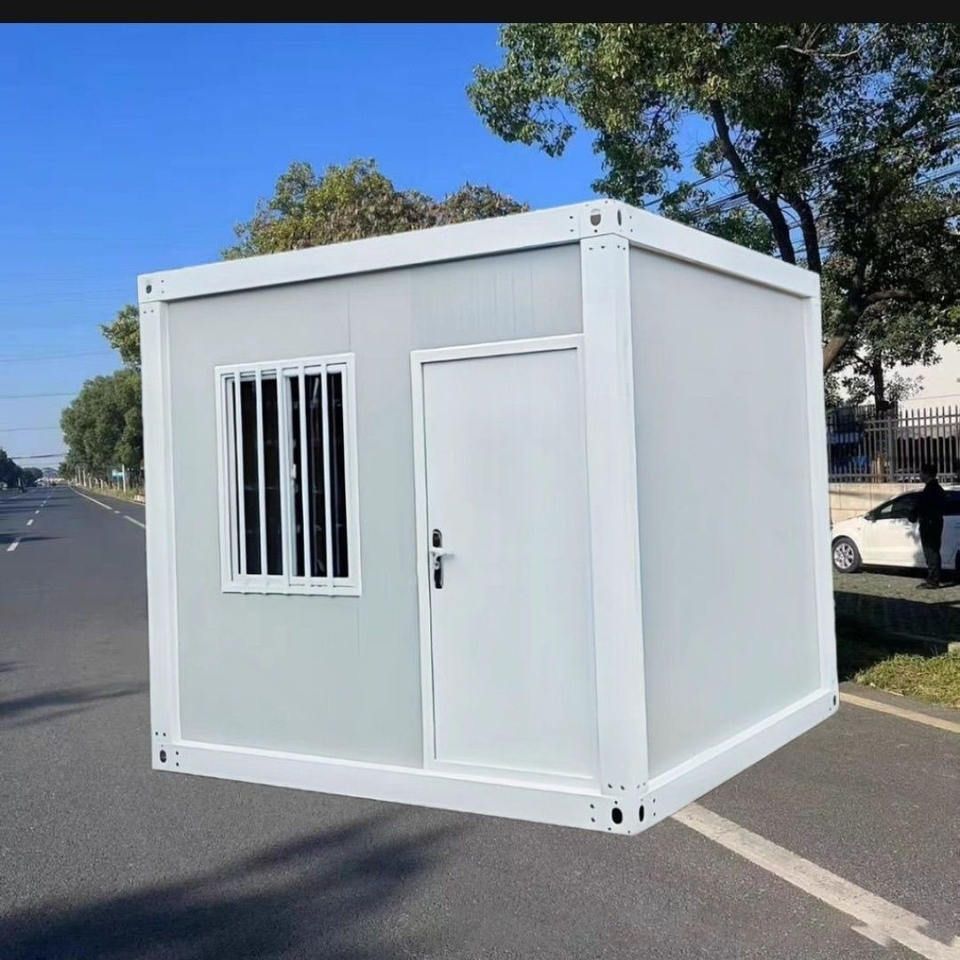
Eco-friendly plastic toilets are a more general term, emphasizing that they are made of plastic and possess eco-friendly characteristics. These toilets are typically manufactured using recyclable or biodegradable plastic materials, reducing their impact on the environment. At the same time, they enhance resource utilization efficiency through optimized structural designs, such as water-saving features or fecal harmless treatment functions.
Plastic direct-discharge toilets highlight their method of waste disposal, which is direct discharge. They are suitable for scenarios with sewage pipe networks or centralized treatment facilities. Their structure usually includes plastic toilets, sewage pipes, and odor-proof devices, enabling rapid waste discharge through gravity or simple power systems. They are commonly found at temporary construction sites and event venues.
DRAGONLOOS plastic bagging toilets are products of specific brands or technological approaches. Their core feature is the sealed bagging of feces using biodegradable plastic bags, eliminating the need for external water sources or sewage pipes. These toilets are suitable for wild environments without infrastructure, such as disaster relief and outdoor exploration scenarios. After use, the bagged waste can be disposed of collectively to avoid pollution.
Plastic toilet cabins emphasize that the overall structure of the toilet is primarily made of plastic materials, possibly including modular components such as roofs and walls. This design facilitates quick assembly and disassembly, making it suitable for scenarios requiring frequent relocation, such as temporary exhibitions and construction camps. Additionally, the weather resistance of plastic materials allows them to adapt to different climatic conditions.
All-in-one outdoor toilets integrate toilets, fecal storage devices, and ventilation systems into a single plastic structure, forming an independent unit. Their advantages include easy installation, a small footprint, and the ability to optimize the user experience by adding deodorizers or biodegradable agents. They are commonly used as temporary supplementary facilities in public places such as parks and scenic spots.
Vacuum-formed temporary restrooms and simple vacuum-formed public toilets focus on manufacturing processes and usage scenarios. Vacuum-forming technology involves heating plastic sheets and adhering them to mold surfaces to create lightweight, low-cost toilet shells quickly. When paired with simple internal facilities, they are suitable for short-term events or emergency scenarios, offering the advantages of convenient transportation and rapid deployment.



