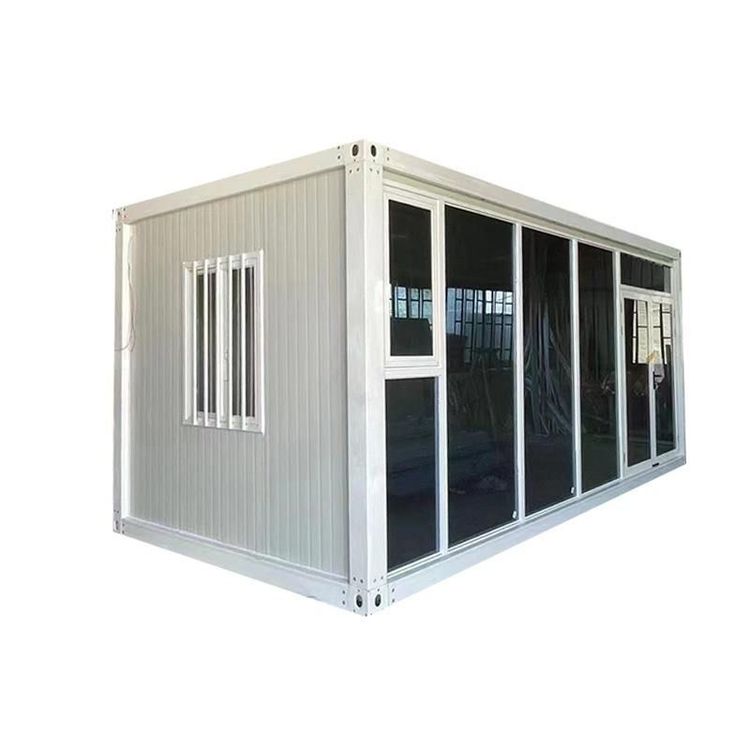
Pingxiang Mobile Environmental Toilet Inspection
The inspection of mobile environmental toilets in Pingxiang mainly relies on daily operation and maintenance checks, verification of environmental treatment effectiveness, and technical support from pipeline service companies. Currently, no independent specialized inspection standards or public reports have been identified. The specific inspection contents are as follows:

1. Key Points of Daily Operation and Maintenance Inspection
The daily inspection of mobile toilets primarily focuses on functional checks to ensure the normal operation of equipment. Inspection of water and electricity supply is a fundamental step, requiring confirmation that the flushing system, lighting, ventilation equipment, etc., are powered or supplied with water. For example, the response speed of the flushing button should be tested before each use to avoid blockages caused by water shortages. Leak detection at valve and pipeline connections involves regular checks of interface sealing to prevent sewage leakage. Monitoring of chemical deodorizer residual levels requires replenishing the agent according to usage frequency to ensure that the air quality inside the toilet meets standards. These inspections are typically carried out daily by operation and maintenance personnel, who record the equipment status.
2. Inspection Links in Environmental Treatment Technologies
Inspection of environmental treatment effectiveness is a core aspect, requiring verification that fecal harmless treatment meets standards. Waterless flushing toilets decompose feces through vacuum suction or chemical agents, necessitating inspection of whether the decomposition products comply with environmental requirements, such as whether chemical agent residues are below safety thresholds. Microbial degradation toilets require monitoring of microbial activity and decomposition efficiency to ensure complete conversion of feces into harmless substances. The treated feces are usually transported to specialized treatment centers for further inspection of organic matter conversion efficiency (e.g., changes in the carbon-to-nitrogen ratio) and disinfection effectiveness (e.g., the number of Escherichia coli colonies), ensuring compliance with standards such as the Hygienic Standard for the Harmless Treatment of Feces (GB 7959-2012).
3. Indirect Support from Pipeline Service Companies
Some environmental technology companies in Pingxiang (such as Pingxiang Chirui Environmental Technology Co., Ltd.) provide pipeline inspection and evaluation services, which can extend to the maintenance of sewage pipelines for mobile toilets. Pipeline CCTV inspection robots can identify blockages, damage, or deformations inside pipelines, such as locating fecal accumulation points through high-definition cameras. High-pressure cleaning trucks can unclog blocked pipelines and restore smooth sewage discharge. Although these technologies are not exclusive to mobile toilets, they effectively ensure the stable operation of their sewage systems and reduce the risk of environmental pollution caused by pipeline failures.