
Back to blog
Article
Pingxiang Mobile Environmental Sanitation Toilet
Admin October 22, 2026
The daily operation, maintenance, and supporting facility configuration of Pingxiang mobile environmental sanitation toilets must adhere to scientific standards to ensure their functionality and safety.
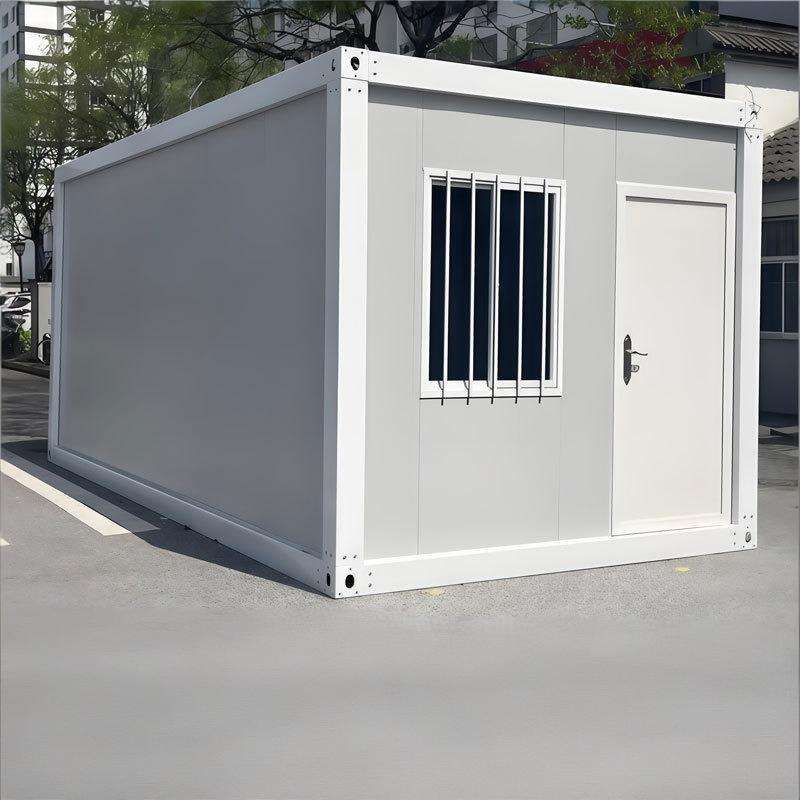
Key Points for Daily Operation and Maintenance
Basic Cleaning and Disinfection
- Conduct comprehensive cleaning at least twice a day, prioritizing garbage removal and surface wiping, followed by disinfecting internal facilities such as toilets and sinks with disinfectant. In rainy weather, focus on checking for water accumulation on the floor and promptly wipe wet areas to prevent slipping or bacterial growth.
- Use dedicated cleaning tools to avoid cross-contamination, and ensure the disinfectant concentration meets hygiene standards.
Facility Inspection and Maintenance
- Regularly inspect the water and electricity systems, flushing mechanisms, and door locks to ensure proper operation. In summer, monitor for circuit aging due to high temperatures, and in winter, check pipeline anti-freezing measures, such as adding insulation or electric tracing.
- Prioritize repairs for flushing mechanism failures to avoid disrupting usage; promptly replace damaged door locks to safeguard user privacy.
Waste Disposal Standards
- Empty trash bins daily and dispose of waste according to local environmental requirements (e.g., recyclables, other waste). For rentals in scenic areas or large events, coordinate with sanitation departments to increase collection frequency and prevent overflow.
- Seal and replace garbage bags to prevent odor spread.
Emergency Response Mechanism
- Equip with spare parts (e.g., mobile toilet units, flush pumps). Use dedicated unclogging tools for blockages and respond within 2 hours for severe failures by replacing equipment.
- Regularly test emergency call buttons to ensure communication with maintenance personnel remains uninterrupted.
Supporting Facility Configuration Standards
Basic Infrastructure
- Standardize with squat or sit toilets, prioritizing odor-resistant and water-saving models, equipped with flushing systems (e.g., foot-operated or sensor-based). Each restroom includes a sink with hot/cold water taps, soap dispensers, and hooks.
- Use energy-efficient LED lighting and ensure ventilation fans operate 24/7 for air circulation.
Environmental Adaptation
- Install non-slip floor tiles or mats to reduce slipping risks; ensure independent drainage pipes remain unobstructed, and add anti-freezing devices (e.g., electric tracing) in cold regions.
- Select wind- and sun-resistant materials (e.g., fiberglass or metal) for the exterior. Add sunshades or reflective films in areas with intense summer sunlight to extend equipment lifespan.
Additional Facilities
- For special needs, configure accessible restrooms with handrails and reserve wheelchair access (width ≥ 90 cm). Stock toilet paper, hand soap, hooks, and trash bins inside, and add emergency call buttons if necessary.
- Clearly label signs for “Men,” “Women,” and “Accessible” using reflective materials for nighttime visibility.
Safety and Compliance
- Equip with fire extinguishers and smoke detectors, regularly checking expiration dates; ensure sewage systems comply with local environmental standards (e.g., septic tank treatment or municipal sewer connection).
- The lessor must provide daily cleaning services and regularly inspect facility integrity to ensure safe usage.
Related



