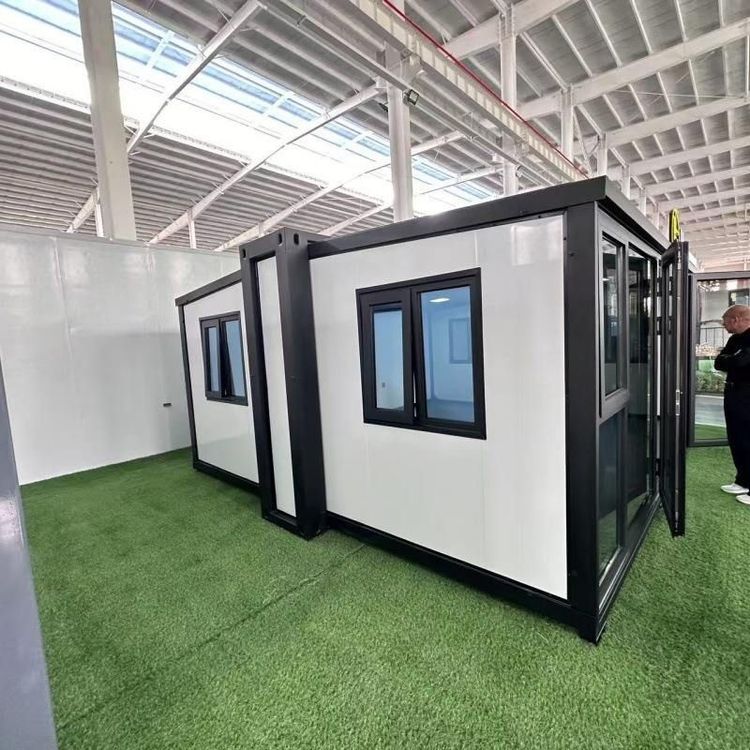
Pingxiang Environmental Protection Mobile Plastic Toilet
The Pingxiang environmental protection mobile plastic toilet is a lightweight, eco-friendly sanitation facility with diverse treatment methods and comprehensive配套 (supporting facilities, here we use '配套 facilities' to convey the meaning of '配套' in a more natural English way, and in the following text, we'll adjust related expressions accordingly) facilities, boasting significant product advantages.

Diverse Environmental Protection Treatment Methods
The environmental protection mobile plastic toilets in Pingxiang employ multiple technologies for environmental protection treatment. Some utilize water circulation treatment technology. Through physical filtration and disinfection devices, the used water is purified and reused, conserving water resources. This is suitable for short-term event scenarios, but regular equipment maintenance is required to ensure water quality safety. The feces from traditional mobile toilets are usually collected in sealed collection buckets. Professional teams regularly transport them to designated treatment stations, where they are converted into organic fertilizers through harmless treatment, reducing pollution to soil and water bodies. Additionally, these toilets are mostly made of eco-friendly materials, such as biodegradable panels or waterproof and moisture-proof eco-friendly plastics. Some products are also equipped with solar power supply systems to reduce electricity consumption, aligning with the concept of green and low-carbon development. Modern mobile toilet rental services have introduced intelligent management systems that can monitor the usage status and remaining capacity of the equipment in real-time, preventing pollution caused by overflow. At the same time, digital platforms are used to optimize collection and transportation routes, reducing transportation costs and carbon emissions.
Clear Points for Supporting Facility Layout
Before an event, it is necessary to conduct on-site inspections of the venue to identify the locations of entrances/exits and high-traffic areas. Estimate the usage quantity based on the event scale. Generally, for an event with around 500 people, 5 - 8 mobile toilets should be provided, and the recommended male-to-female ratio is 1:1.2. If the event includes children or special groups, accessible toilets should be reserved. The toilets should be distributed near the audience rest areas and dining areas, avoiding strong sunlight and low-lying drainage areas. There should be at least one toilet every 100 meters on both sides of the main aisles. Clear guiding signs should be set up at the entrances, and a safe distance of more than 5 meters should be maintained from temporary stages and medical stations. Most plastic mobile toilets have independent water and electricity designs. The socket positions should be checked in advance to ensure a stable power supply, and the sewage system should be connected to the municipal sewer network or arranged for regular collection and transportation by dedicated personnel. Daily inspections by dedicated personnel should be carried out to ensure there is no blockage or odor in the toilets. Before peak periods, check whether consumables such as toilet paper and hand sanitizer are sufficient. It is recommended to have 1 - 2 cleaning staff on-site. Basic cleaning should be carried out every 2 hours during the event, and the frequency of collection and transportation should be increased for night events.
Outstanding Product Advantages
It has strong mobility, avoiding resource waste caused by house demolition. Compared with traditional toilets, it saves at least 80% of water resources. It occupies a small area, greatly conserving land space. It is aesthetically pleasing and has become a scenic feature in tourist attractions, parks, and residential communities. In terms of construction, it significantly saves on manpower, materials, and financial resources.