
Pingliang Scenic Area Mobile Toilet
The setup, structure, operation, maintenance, and development trends of mobile toilets in Pingliang scenic areas are as follows:
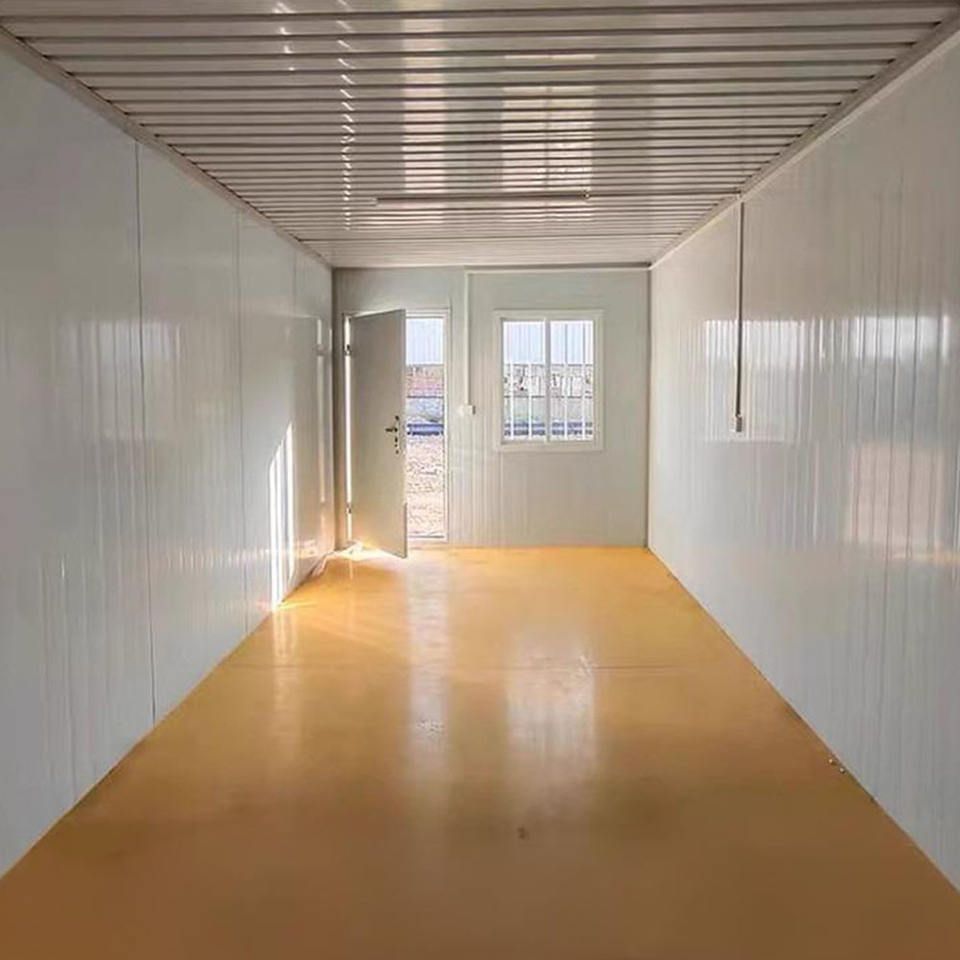
Setup Basis and Deployment Principles
The setup of mobile toilets in Pingliang scenic areas is based on a calculation model that considers the instantaneous tourist flow and the carrying capacity of infrastructure. It integrates variables such as peak-hour tourist volume, average stay duration, and physiological demand frequency, using algorithms to determine the density of facility allocation and location recommendations to maintain the dynamic balance of the scenic area's environmental capacity. Their deployment locations adhere to the principle of balancing concealment and accessibility: sites are chosen to avoid the main visual axes of the landscape, utilizing terrain or vegetation for concealment, while ensuring they are within a reasonable service radius of tourist walking paths. The spacing between locations is not uniform, with denser placements in areas of high tourist congregation, such as rest nodes and transportation transfer points along the sightseeing routes.
Internal Structure and Core Systems
The internal structure of mobile toilets is based on four core systems:
- Waste Treatment Unit: Utilizes biodegradation or physical-chemical separation technologies to convert solid waste into harmless substances, reducing pollution emissions.
- Water Recycling Module: Achieves limited reuse of flushing water through multi-layer filtration and disinfection, alleviating water resource pressure.
- Air Circulation Device: Controls odor diffusion using negative pressure principles and activated carbon adsorption, enhancing the user experience.
- Energy Supply Section: Integrates solar panels to provide clean electricity for low-voltage appliances such as lighting and ventilation, reducing energy consumption.
Material Selection and Adaptability
The main materials for the toilet bodies are fiberglass-reinforced plastic (FRP) and galvanized steel plate: the former is corrosion-resistant and lightweight, while the latter offers high structural strength and excellent thermal insulation. Internal partitions and sanitary fixtures often use antibacterial composite materials to inhibit microbial growth in humid environments. These materials must withstand the physical stresses of frequent transportation and installation, as well as resist outdoor climatic factors such as UV radiation and temperature variations, ensuring long-term stability.
Operation, Maintenance, and Technological Upgrades
Operation and maintenance are crucial for continuous functioning:
- Cleaning Operations: Include surface disinfection, consumable replenishment, and equipment status checks.
- Waste Removal: Relies on sealed suction equipment and dedicated transport vehicles to prevent leakage during transfer.
- Remote Monitoring: Real-time monitoring of usage status, water levels, and fault alarms optimizes maintenance resource allocation.
New-generation designs are exploring the integration of intelligent modules such as humidity-sensing flushing, pedestrian counting sensors, and air quality monitoring. Some experimental projects are investigating the use of treated graywater for landscape irrigation or collecting degradation products as soil amendments, constructing a more complete material recycling chain.
Customized Services and Rental Market
Local manufacturers in Pingliang offer customized services, such as Cangzhou Hengtai Sanitation Equipment Co., Ltd., with product models including ht-579 and ht-023, specifications of 120015003000, applicable temperature ranges from -30℃ to 40℃, materials covering color-coated steel plates and metal carved panels, and types including waterless packing ecological toilets and vacuum suction ecological toilets. Additionally, Pingliang provides mobile toilet rental services to meet diverse needs in scenarios such as music festivals, concerts, marathons, and construction sites.



