
Pingliang Outdoor Mobile Toilet Production
The production of outdoor mobile toilets in Pingliang involves multiple stages, including material selection, design, manufacturing, transportation and installation, and maintenance, each with strict technical requirements.
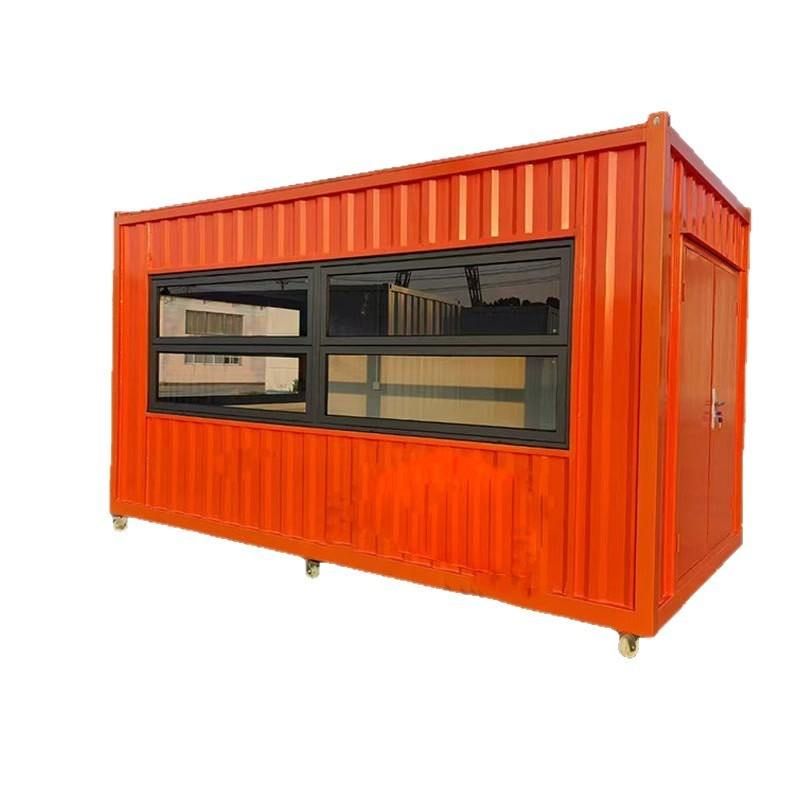
In terms of material selection, the main structure is primarily made of steel, requiring the use of stainless steel or alloy steel with excellent corrosion resistance and rust prevention properties to ensure long-term stability in outdoor use. Some components are made of fiberglass-reinforced plastic or metal alloys, balancing weather resistance and lightweight needs. Accessories such as handles and door locks should be made of durable materials to avoid frequent replacements.
The design phase requires comprehensive consideration of functionality and safety. Structural design must meet load specifications, and for peak tourist flows in scenic areas, the frame stability should be reinforced to prevent deformation during use. Style design is divided into single-door, double-door, or multi-door structures based on scene requirements, with some equipped with convenient facilities such as sinks and tissue boxes. In the technical system, sewage treatment employs a combination of biodegradation and physical filtration technologies to reduce odors; the ventilation system balances air circulation and heat loss through passive principles; and the lighting module uses low-energy LED light sources to ensure safety during nighttime use.
The manufacturing process focuses on precision machining. Material processing uses laser cutting technology to ensure dimensional accuracy of components, and argon arc welding prevents high-temperature oxidation of stainless steel. After welding, stress relief treatment is required to avoid deformation due to temperature changes. The assembly process includes cutting, drilling, welding, and other procedures to process steel into standard modules for easy subsequent transportation and installation.
Transportation and installation emphasize modularity and adaptability. During the transportation phase, the overall structure is disassembled into standard units to reduce transportation costs. In the installation phase, the foundation must be treated according to geological conditions, with deep-buried anchor bolts used for sandy soil and chemical anchoring for rocky foundations. Horizontal calibration requires repeated verification using laser measuring instruments to ensure facility stability.
Maintenance management focuses on preventive maintenance. Daily cleaning uses neutral detergents to avoid corroding stainless steel surfaces; the drainage system undergoes pressure testing every quarter to remove solid deposits; mechanical components are lubricated monthly to reduce wear; and the electrical system is inspected annually for line insulation performance and waterproof sealing to prevent short circuits or electrical leakage risks. Through systematic maintenance, the service life of mobile toilets can be extended to over 10 years.



