
Pingliang Outdoor Mobile Toilet Processing
The processing of outdoor mobile toilets in Pingliang involves multiple stages, including material selection, design, production, transportation, installation, and maintenance. It requires a comprehensive consideration of material properties, functional requirements, and usage scenarios to ensure product durability, practicality, and environmental friendliness.
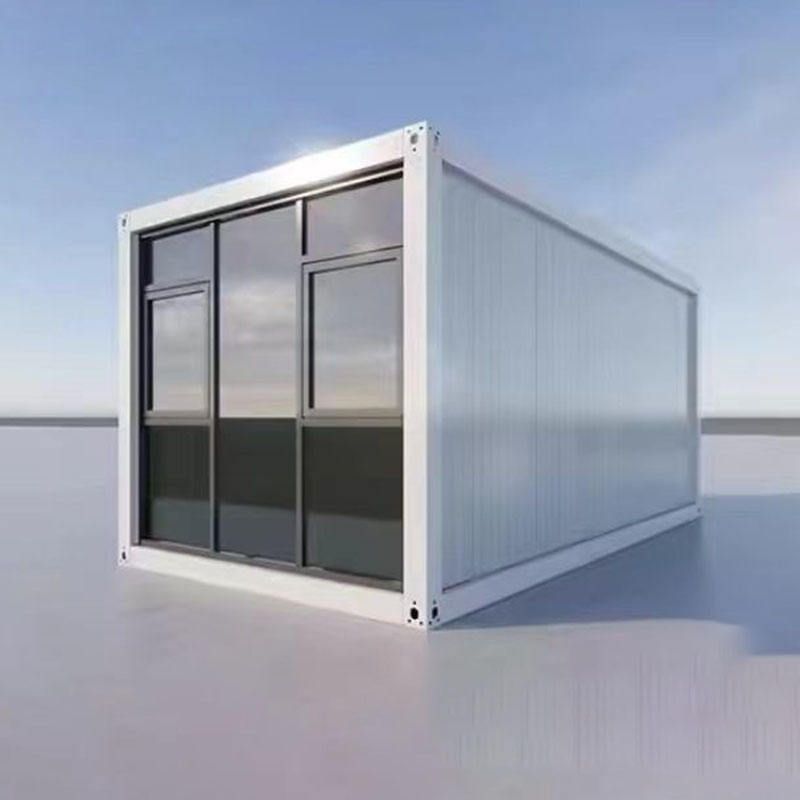
In terms of material selection, steel is the primary structural material. High-quality steel that is corrosion-resistant and rust-proof should be chosen, or stainless steel can be used to enhance strength and recyclability. Surface treatment processes such as electrolytic polishing and passivation can increase surface density and extend service life. Accessories like handles and door locks need to be compatible with the main material to ensure overall stability. Some designs adopt fiberglass-reinforced plastic or metal alloy enclosures, balancing weather resistance and lightweight requirements for easy movement and installation.
The design phase should focus on user needs and optimize functional modules based on usage scenarios. Common designs include single-door, double-door, or multi-door styles, with some integrating convenient facilities like sinks and tissue boxes. Structural design must comply with load specifications, and for scenarios with high instantaneous pedestrian traffic, such as tourist attractions, structural robustness should be reinforced. The integration of functional modules reflects systematic thinking, such as sewage treatment units using a combination of biodegradation and physical filtration technologies, water-saving flushing devices optimizing mechanical structures, ventilation systems balancing air circulation efficiency and heat loss, and lighting modules兼顾 (which means 'taking into account both' in Chinese, here it can be translated as 'balancing') low energy consumption and sufficient illumination.
Production processes cover cutting, drilling, welding, and other operations. Laser cutting technology ensures precise component dimensions, while argon arc welding protects stainless steel from high-temperature oxidation through a shielding gas. After welding, stress relief treatment is required to prevent deformation. The bottom of the enclosure is designed with a towing device or a wheel system for easy vehicle traction and movement, with the overall center of gravity balanced between stability and convenient relocation needs. The internal treatment system is independent of the sewer network, with the choice of biodegradation, chemical decomposition, or physical storage methods depending on usage frequency, maintenance cycles, and environmental conditions. Ventilation design creates airflow circulation through top ducts, with some incorporating activated carbon filter layers to adsorb odors.
Transportation and installation adopt a modular design, breaking down the overall structure into standard transportation units that are assembled on-site using high-precision alignment pins. Foundation treatment requires differentiated construction based on geological conditions, with different fixing methods for sandy soil and rocky foundations. During installation, professional measuring instruments are used for level calibration to ensure facility stability.
Maintenance management includes regular waste removal, cleaning and disinfection, and equipment inspection. Waste is transferred using dedicated vehicles, and cleaning uses biodegradable cleaning agents to avoid secondary pollution. Daily cleaning requires neutral cleaning agents to protect stainless steel surfaces, with regular pressure testing of drainage pipes to prevent blockages, lubrication of mechanical components to reduce wear, and inspection of electrical systems for wire insulation and waterproof sealing. Manufacturers in the Pingliang area, such as Guting Metal Products Factory, can offer a variety of specifications and material choices, supporting direct factory supply.



