
Pingliang Mobile Public Toilet Manufacturers
Manufacturers of mobile public toilets in Pingliang include Sailina, Baiyihengjiu, Yibingsi, Shengfengshang, Changjiu Environmental Protection, Xuhu, Jiasheng Sanitation, ST Huajie Lvyuan, Gumeisheng, Miaoxin, Hongmen, etc.. The following provides an introduction to these manufacturers and their products from multiple aspects:
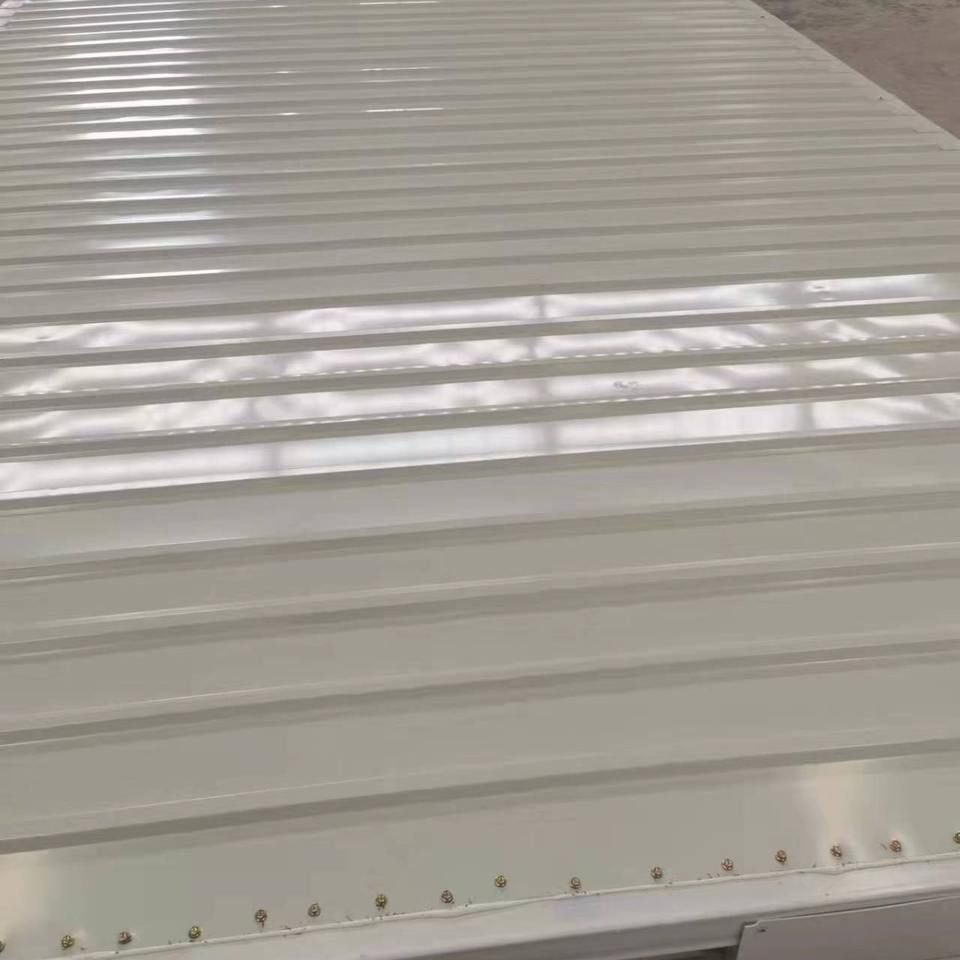
Product Materials: The products of mobile public toilets in Pingliang are made of various materials, including color-coated steel, steel structures, stainless steel, and aluminum-plastic panels. Among them, stainless steel is a common choice due to its strong corrosion resistance, which is mainly based on the physical properties of different metals for material selection.
Product Types: There is a rich variety of product types, covering mobile toilets, mobile toilets for epidemic prevention centers, portable mobile toilets, luxury mobile toilets, and more. These can meet the needs of different scenarios, such as marathons, concerts, music festivals, construction sites, building construction sites, and outdoor areas.
Installation and Sewage Disposal Methods: There are two installation methods: on-site installation and hoisting. Sewage disposal methods include microbial degradation and direct discharge.
Aspects Involved in Production Activities:
- Metal Surface Treatment Process: Electrolytic polishing and passivation treatment are adopted, which can change the microstructure of the material surface and improve its stability in the actual use environment.
- Metal Connection Technology: It involves the selection of welding methods. Different welding methods will affect the structural strength and sealing performance of the final finished product.
- Structural Design: It takes into account both the stability during the moving process and the functionality after installation. The frame construction adopts a modular design concept, and the connection points between components are calculated based on mechanics. The internal space division considers ergonomic data, and the thickness and fixing method of the partitions are adjusted according to the frequency of use. The ventilation system design follows the principles of aerodynamics, and the direction and cross-sectional area of the exhaust channels are specially calculated. The drainage device adopts an anti-clogging design, and the inclination angle of the pipes conforms to the laws of fluid motion.
- Application of Environmental Protection Technologies: It is reflected in two dimensions: resource recycling and waste treatment. The water resource recycling system achieves water reuse through multi-layer filtration devices, and the filtration media are replaced regularly according to the water quality. Waste treatment adopts a combination of biological degradation and chemical decomposition, and the decomposition rate is positively correlated with the ambient temperature. For the energy supply part, solar energy conversion devices can be selected, and the installation angle of the photovoltaic panels is adjusted according to the local sunshine data.
- Production Process: It includes multiple links such as raw material inspection, cutting and forming, and welding and assembly. Quality inspection adopts standardized procedures to test multiple indicators of the finished products.
- Maintenance and Upkeep: It involves two levels: daily inspection and regular maintenance. Daily inspection includes observing structural deformation and testing the operating status of equipment. Regular maintenance requires disassembling and inspecting key components and replacing parts that have reached the end of their service life. Cleaning and disinfection use agents that meet hygiene standards, and the operation frequency is determined according to the intensity of use. Fault troubleshooting establishes a systematic process, following a logical sequence from phenomenon observation to cause analysis.



