Back to blog
Article
Pingliang Container House
Admin September 10, 2026
Unit prices for Pingliang container houses vary widely by supplier, materials, and specifications. Common prices range from $417-$1,111 per unit (set); some area-based pricing is $9.03 per square meter.

I. Common volume-tier pricing
- Lower prices for bulk orders: When order volume reaches a certain scale, unit prices drop significantly. For example, at ≥100 units, the unit price can be as low as $417 each; at ≥50 units, $500 each; and at ≥20 sets, $694 per set. This pricing model mainly targets large-scale needs such as temporary worksite housing and post-disaster reconstruction; suppliers cut costs through batch production and pass savings on to buyers.
- Higher prices for small orders: With smaller quantities, unit prices rise accordingly. For example, at ≥1 unit, prices may be $556 or $716-$1,111; at ≥1 set, $625-$1,111. This gap reflects cost allocation pressure in single-piece or small-batch production, as well as supply-and-demand effects.
II. Area-based pricing
Some suppliers price by area—for example $9.03 per square meter. This approach usually suits buyers with a clear floor-area need but flexible quantity, such as commercial showrooms or temporary offices. Area-based pricing is highly flexible: buyers can adjust house size to actual needs without being locked into fixed specs.
III. Factors behind price differences
- Material quality: Materials directly affect container-house prices. Houses built with high-strength steel, fire-rated panels, or eco-friendly coatings cost significantly more than those with ordinary materials.
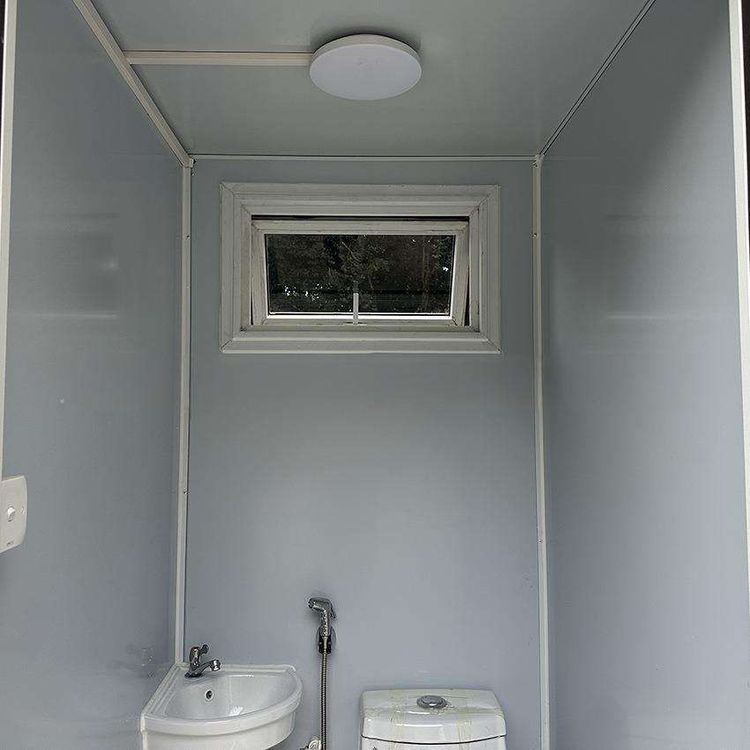
- Specs and configuration: Size, number of stories, door/window types, and interior finishes also affect price. For example, two-story container houses usually cost more than single-story ones, and units with a private bathroom cost more as well.
- Supplier differences: Pricing strategy, production costs, and margins vary by supplier, so even identical materials and specs can carry different prices.
IV. Buying tips
- Clarify needs: Before buying, define intended use, quantity, area, and configuration so you can pick the right pricing method and supplier.
- Compare quotes: Ask several suppliers for quotes and weigh price, materials, service, and after-sales support to choose the best value.
- Focus on quality: Price is not the only factor—ensure the house meets safety standards and avoid quality problems from chasing the lowest price.