
Pingliang Scenic Area Mobile Toilet Design
The design of mobile toilets in Pingliang scenic areas comprehensively considers multiple factors, including setup rationale, internal structure, modular design, treatment technology, environmental impact control, deployment location, and appearance.
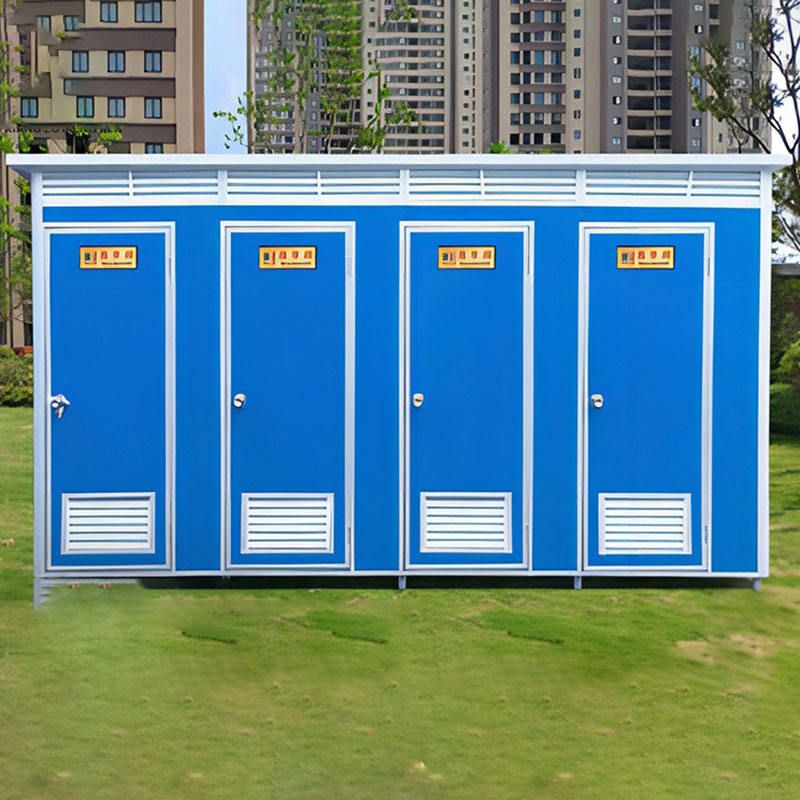
Setup Rationale: Based on a calculation model of tourist instantaneous flow and infrastructure carrying capacity, variables such as peak-hour tourist flow, average stay duration, and physiological demand frequency are integrated. Algorithms are used to determine facility configuration density and locations to maintain dynamic balance in the scenic area's environmental capacity.
Internal Structure: The core system consists of a waste treatment unit, water circulation module, air circulation device, and energy supply section. The waste treatment unit employs biodegradation or physical-chemical separation technology; the water circulation module achieves limited reuse of flushing water through multi-layer filtration and disinfection; the air circulation device controls odor diffusion using negative pressure principles and activated carbon adsorption; the energy supply section integrates solar panels. The toilet body generally uses fiberglass or galvanized steel sheets, with internal partitions and sanitary ware often made of antibacterial composite materials to inhibit microbial growth, withstand the physical stress of frequent transportation and installation, and resist outdoor climatic factors.
Modular Design: A modular box structure is adopted, allowing for factory prefabrication and subsequent overall transportation to the site. The toilets can be put into use after basic leveling and pipeline connection. The water tank system is independently installed on the side wall of the box, divided into clean water and wastewater tanks; the flushing device mostly uses pneumatic or foot-operated mechanical structures, with some models equipped with solar-powered sensing components; the sewage discharge pipes are made of frost-resistant materials, with heating options at the bottom to prevent freezing in winter; the ventilation system forms convection through roof exhaust fans and side wall louvers.
Treatment Technology: In areas with municipal sewage networks, mobile toilets are directly connected to the sewage pipes; in areas without networks, biodegradation or chemical treatment technologies are used, both equipped with sealed waste storage tanks that are regularly transported by special vehicles to designated treatment sites.
Environmental Impact Control: Water-saving flush valves are used, with some models featuring gray water recycling systems; priority is given to solar lighting and ventilation; solid waste can be reused after treatment; noise control is achieved by selecting low-power fans and optimizing mechanical structures.
Deployment Location: The principle of balancing concealment and accessibility is followed, avoiding the main visual axes of the landscape and using terrain undulations or vegetation for visual shielding, while ensuring they are within a reasonable service radius of tourist walking paths.
Appearance: They feature designs such as new Chinese-style carvings, with high aesthetic appeal.



