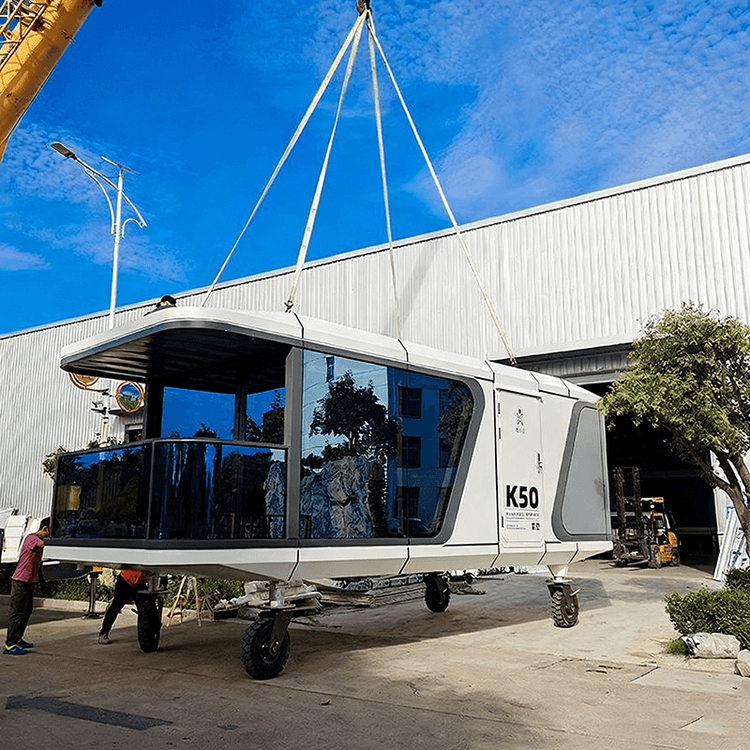
Piano in a Container House
Placing a piano in a container house requires a combination of transportation protection standards and environmental control design. Theoretically, it is feasible but must meet specific conditions. Although there are no direct cases at present, its feasibility can be analyzed from three aspects: transportation protection, environmental adaptability, and modification potential.
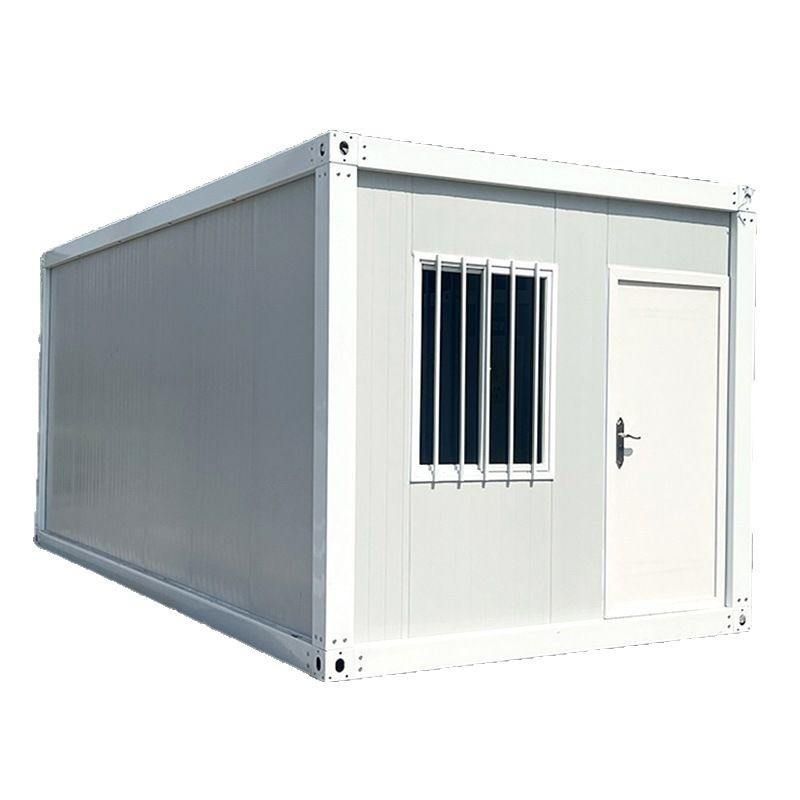
1. Transportation protection standards provide a basic reference for the safety of pianos in containers
Strict protection measures are required for pianos during container transportation, with core measures including:
- Physical protection: Use a professional piano cover to shield the body of the piano from dust and scratches; install corner protectors to prevent deformation from collisions; and a keyboard cover to prevent the keys from shifting or being damaged during transportation.
- Fixing devices: Secure the piano to the inner wall of the container using specialized straps or brackets to prevent the body of the piano from shifting or internal parts from loosening due to transportation vibrations.
- Environmental control: When shipping by sea, choose clean and dry containers to avoid moisture causing wood expansion or metal part rusting; also, leave enough space to prevent the piano from being squeezed by other cargo.
These measures ensure the safety of the piano in short-term, enclosed environments and provide basic protection ideas for long-term storage in container houses.
2. Extreme environmental cases highlight the challenges of container environments for pianos
There are records showing that in containers with temperatures as high as 53℃, handlers still need to ensure the safety of the piano through additional protection measures (such as thermal insulation materials and ventilation design). This indicates:
- Temperature effects: High temperatures may cause the wood of the piano to deform, the paint to crack, or the performance of internal parts (such as tuning pins and felt) to decline due to thermal expansion and contraction.
- Humidity risks: If the container is not well-sealed, humid air may infiltrate, causing wood decay or metal rusting, which affects the lifespan of the piano.
Therefore, if a piano is to be stored in a container house for a long time, a temperature and humidity control system (such as an air conditioner or dehumidifier) is required to maintain a stable environment.
3. The modification potential of containers provides flexible application scenarios for pianos
The modular design, anti-corrosion and waterproof treatment, and flexible layout characteristics of container mobile homes theoretically meet the storage requirements of pianos:
- Space optimization: Through internal partition design, an independent music area can be created to reduce external interference; the modular structure facilitates the adjustment of space layout according to the size of the piano.
- Environmental adaptability: Anti-corrosion and waterproof treatment can prevent external moisture from infiltrating. Combined with temperature and humidity control equipment, it can simulate the indoor storage environment of a piano.
- Creative applications: Suitable for temporary music events (such as outdoor performances and art exhibitions) or creative display scenarios, enabling the flexible deployment of the piano through rapid assembly.
Comprehensive recommendations: If a piano is to be placed in a container house, refer to transportation protection standards to strengthen physical protection, equip it with temperature and humidity control equipment, and conduct regular maintenance (such as tuning and checking structural stability). For long-term use scenarios, it is recommended to choose a professionally modified container music space to ensure the performance and lifespan of the piano.