
Photography Tips for Mobile Toilets in Xinjiang
When photographing mobile toilets (dry latrines) in Xinjiang, it is essential to balance authenticity with humanistic care. Here are some specific tips:
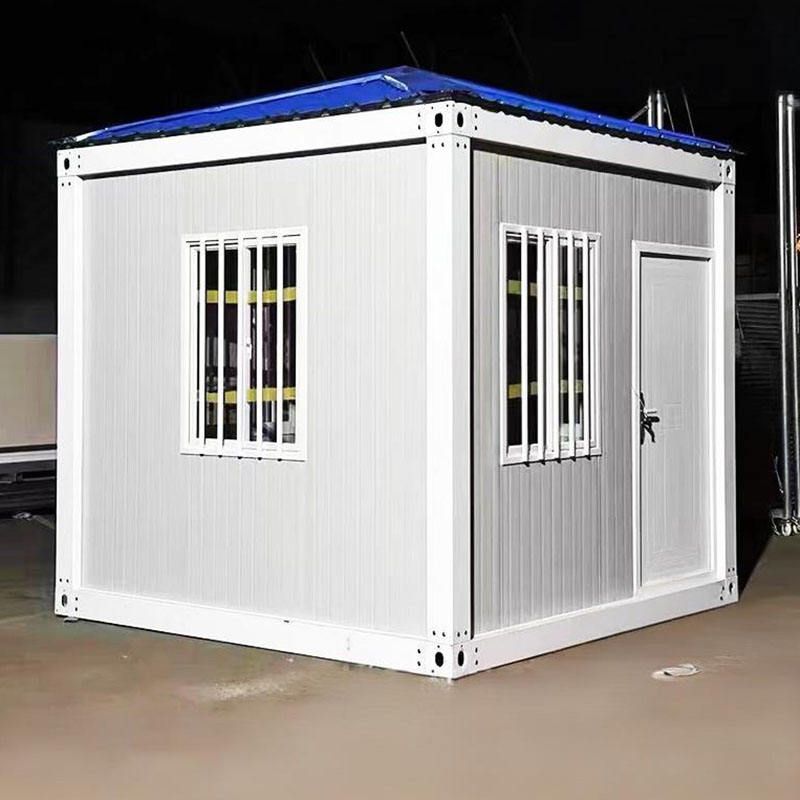
1. Light Selection and Control
The soft light of early morning or late afternoon can highlight the texture of the earth walls, avoiding reflections or overexposure caused by strong midday sunlight. If the light is too strong, use thin clouds for shading or adjust the shooting angle, such as shooting from the side to reduce the impact of direct light on the subject. In low-light environments, appropriately increase the ISO or use a tripod to stabilize the equipment to ensure a clear image.
2. Shooting Angles and Composition Strategies
- Low-Angle Shooting: Lower the device to knee height to enhance the immersive feel of the image, highlighting ground details and the texture of the earth walls.
- Oblique 45-Degree Angle: Shoot from the left or right side of the squatting position, incorporating the door frame, wall marks, and distant deserts or snow-capped mountains to add depth.
- Rule of Thirds Composition: Place the dry latrine door or a distinctive part on the one-third line of the image, leaving space for the sky and ground to emphasize spatial openness.
- Foreground Utilization: Use ground brick seams, wood textures, or green plants as the foreground, lowering the camera position to make the image more grounded and avoid monotony.
3. Detail Capture and Humanistic Documentation
- Hygiene Details: Shoot close to the ground at 30 centimeters to capture the edges of the squatting position, footrests, clean paper boxes, etc., to truthfully reflect local hygiene habits.
- Life Wisdom: Document scenes such as spreading lime, laying corn cobs to absorb moisture, and planting mint/lavender for odor control, reflecting the wisdom of locals in adapting to the environment.
4. Environmental Integration and Post-Processing
- Scene Transition: First, photograph the surrounding environment (blue sky, white clouds, snow-capped mountains, camel thorn, etc.), then naturally introduce the dry latrine to avoid abruptness in the image.
- Color Tone Adjustment: In post-processing, appropriately increase the warm tones to make the earth-yellow exterior walls harmonize with the Gobi Desert, poplar trees, and other environments, enhancing overall coordination.
5. Equipment Selection and Operational Norms
- Lens Focal Length: Use a lens with a focal length of around 35 millimeters to retain environmental information and avoid edge distortion.
- Video Pacing: When shooting videos, control the pace of lens switching (switch every 3-4 seconds) and leave a black screen or fade-out effect at the end.
- Sound Processing: When it's windy outdoors, enable the wind noise reduction function or use an external lapel microphone to retain natural sounds like sheep bleating and horse neighing, enhancing the sense of presence.
6. Respect and Preparation for Shooting
- Environmental Maintenance: Prepare wet wipes and disposable shoe covers in advance to keep the shooting subject clean; carry lime powder or wood shavings for necessary sanitation maintenance.
- Privacy Protection: Observe whether anyone is using the facility and obtain consent before recording to avoid exposing location information or infringing on privacy.



