Permaculture Mobile Toilet
There is currently no authoritative definition or widely recognized specific technical description of the 'permaculture mobile toilet.' It is speculated to be a conceptual product combining the 'permaculture design principles' with 'mobile toilets,' but lacks direct literature support.

1. Potential Connections Between 'Permaculture Design' and 'Mobile Toilets'
Permaculture is a sustainable design system emphasizing harmony with nature, with core principles including resource recycling, ecological balance, and minimizing environmental impact. Applying this concept to mobile toilets may involve the following directions:
- Resource Recycling: Treating feces through composting to convert them into organic fertilizer, reducing sewage discharge. For example, adopting a separation design to collect urine and solid feces separately. Diluted urine can be directly used for irrigation, while solid feces can be composted for agricultural use.
- Energy Self-Sufficiency: Using solar panels to power toilet lighting or ventilation systems, reducing reliance on external energy sources.
- Material Selection: Using biodegradable or recycled materials (such as bamboo or recycled plastics) to construct the toilet body, reducing construction waste.
2. Common Types and Technical Characteristics of Mobile Toilets
If the 'permaculture mobile toilet' refers to an innovative type of mobile toilet, its technology may integrate traditional mobile toilets with permaculture principles:
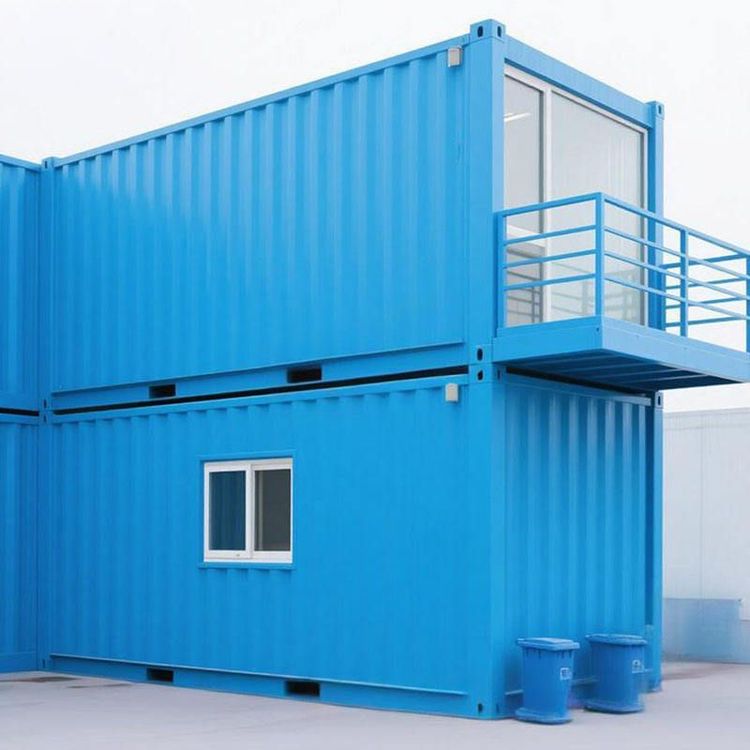
- Traditional Mobile Toilets: Primarily based on container or modular structures, relying on septic tanks or pumping systems to treat excreta, requiring regular cleaning, and potentially generating odors and pollution risks.
- Ecological Mobile Toilets: Achieving waterless or water-saving operation through biodegradation technologies (such as microbial decomposition) or physical filtration (such as membrane separation), reducing sewage production. For example, certain models use sawdust or coconut shell charcoal as cover materials, decomposing feces through aerobic fermentation while suppressing odors.
3. Hypothetical Design Directions for 'Permaculture Mobile Toilets'
To further explore this concept, the following design ideas can be considered:
- Zero-Emission System: Combining composting toilets with rainwater harvesting technology to achieve self-circulation of excreta and water, suitable for arid or remote areas.
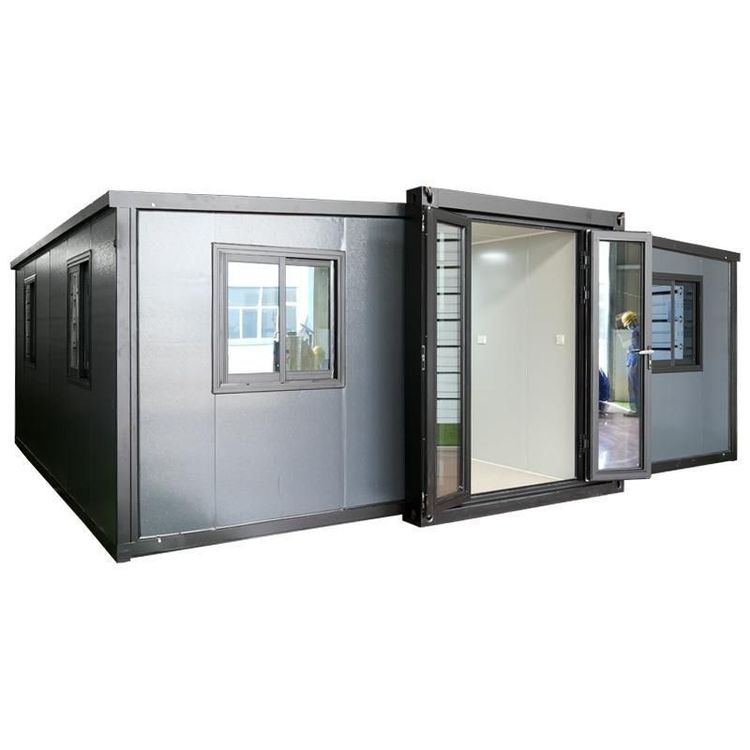
- Modular Expansion: Designing拼接 (pīnjiē, meaning 'connectable') toilet units that can be flexibly combined according to usage scenarios (such as music festivals, disaster areas), equipped with detachable composting bins for subsequent resource utilization.
- User Education Function: Setting up scientific explanation signs inside the toilet to introduce permaculture concepts and resource recycling knowledge, enhancing public environmental awareness.
4. Current Technical Challenges and Limitations
- Treatment Efficiency: Composting treatment requires a long time (several months to years), which may not meet the needs of high-frequency usage scenarios.
- User Acceptance: Some people may have psychological barriers to waterless or cover-material toilets, requiring design optimizations (such as ventilation and deodorization) to improve the experience.
- Cost Issues: Ecological materials and technologies may increase initial construction costs, requiring mass production to reduce unit prices.
Currently, the 'permaculture mobile toilet' has not become an industry-standard term. Its specific implementation requires innovative design combining permaculture principles with mobile toilet technology, and its feasibility and sustainability need to be verified through practice.