
Container Houses for Pension
Container houses for pension purposes need to comprehensively consider structural safety, functional suitability, fire safety regulations, and age-friendly design. They can achieve low-cost and rapid deployment through modular transformation or reinforcement, but must strictly adhere to building and fire safety standards.
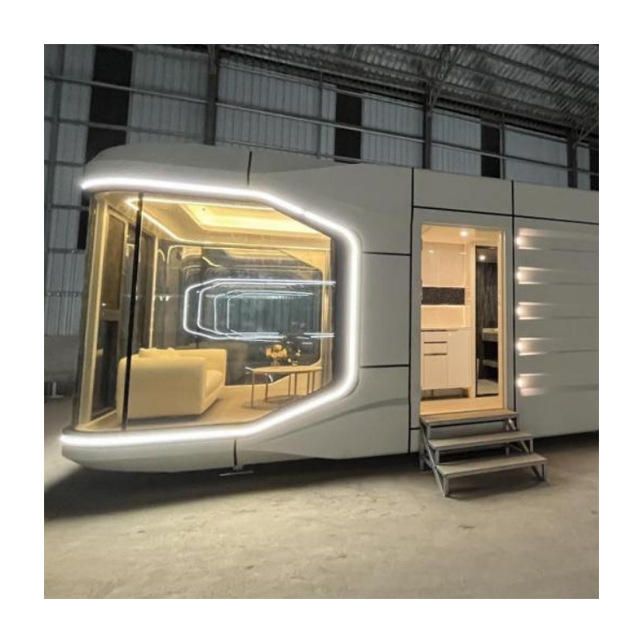
1. Structural Safety and Material Selection
The main frames of container houses are mostly made of hot-dip galvanized steel or light steel structures, and it is necessary to ensure that the load-bearing capacity meets the requirements of pension scenarios. For example, a box combination system uses a hot-dip galvanized square steel frame paired with 75mm thickened rock wool insulation color steel plates, enabling multiple disassembly and relocation. However, regular inspections of welds and anti-corrosion treatments are required to prevent structural failure due to rust. For long-term pension facilities, it is recommended to use a fully welded roof process to enhance waterproof performance and increase the thickness of wall insulation layers to adapt to northern climates.
2. Functional Space Suitability
Independent functional areas need to be divided according to pension needs:
- Living Area: Single-story or double-story layouts should be equipped with barrier-free passages, and door widths should be ≥90cm to accommodate wheelchair access;
- Medical Area: Reserved strong and weak electrical pipeline interfaces should be provided to support the installation of vital sign monitoring equipment;
- Public Area: For example, the canteen for the elderly should comply with the 'General Code for Fire Protection of Buildings', using fire-resistant rock wool panels to isolate the kitchen from the dining area.
A company in Hebei has transformed containers into a wellness courtyard through Chinese-style eaves and courtyard designs, increasing the usable floor area ratio by 15% compared to traditional brick-and-mortar structures, but attention should be paid to the sealing of module joints.
3. Fire Safety Regulations
The parking of electric bicycles should comply with the 'Technical Guidelines for Fire Protection of Electric Bicycle Parking Lots (Sheds)', and charging inside the living area is prohibited. If containers are used as temporary pension facilities, the following requirements must be met:
- Each independent container should be equipped with ≥2 emergency exits;
- Electrical wiring should use flame-retardant sleeves and be installed with leakage protection devices;
- Independent smoke detectors and simple fire extinguishing devices should be provided.
The Ruian Civil Service Complex once used containers as temporary accommodations, but they were replaced by reinforced houses due to roof leaks and fire hazards, highlighting the importance of standardized transformation.
4. Age-Friendly Detail Design
Details should be optimized based on the behavioral characteristics of the elderly:
- The floor should use non-slip tiles, and the slope of ramps should be ≤1:12;
- Grab bars and emergency call buttons should be installed in bathrooms;
- Doors and windows should adopt a casement inward-tilting design to avoid occupying passage space when opened outward.
The Shanghai Fuhong Wellness Complex has upgraded container modules into intelligent care units by introducing smart bedpans and overhead electric transfer machines, but it is necessary to ensure equipment grounding protection and age-friendly operation interfaces.



