
Penghu Sanitation Mobile Toilet
No specific information directly related to 'Penghu Sanitation Mobile Toilet' has been found at present, but general knowledge about mobile toilets can be introduced.
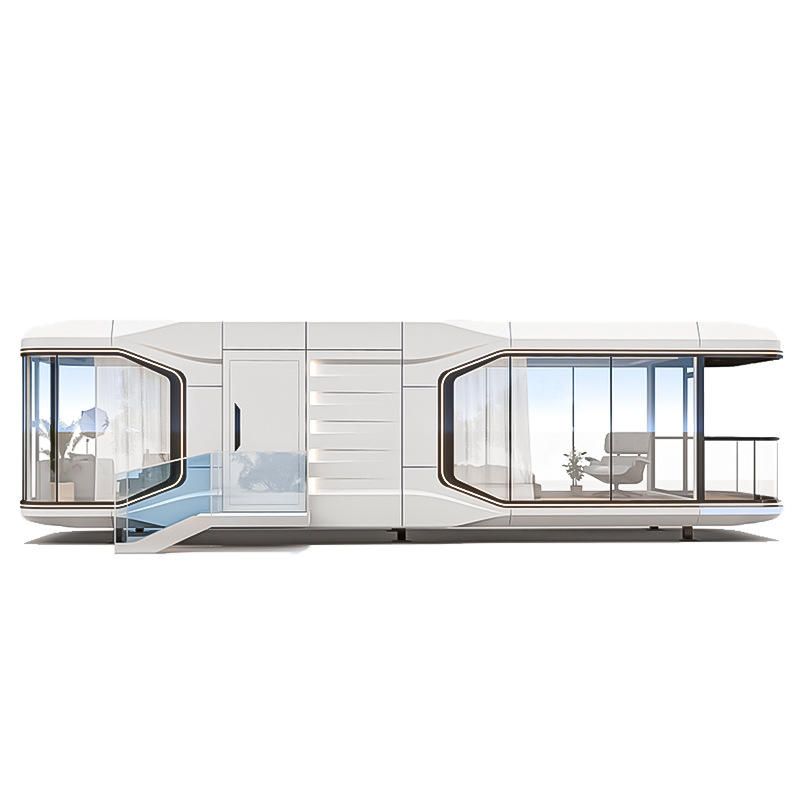
Mobile toilets are sanitation facilities with advantages such as mobility, modularity, and ease of transportation. They typically consist of multiple parts. The core components include a fecal sewage storage tank (or fecal sewage disposal device) for collecting and treating excreta to ensure a hygienic environment; a floor that provides a stable standing and activity space for users; sanitary fixtures such as toilets or squat pans to meet basic excretion needs; walls that serve to isolate and protect privacy; washing facilities such as sinks for users to clean their hands; a water tank for storing flushing water; a roof that provides shelter from wind and rain and protects internal facilities; and a mobile device that enables the toilet to be easily moved and deployed.
In terms of structural form, mobile toilets can be divided into single-unit mobile toilets and composite-structure mobile toilets. Single-unit mobile toilets are usually relatively simple and suitable for temporary or small-scale use scenarios; while composite-structure mobile toilets are more complex and may include multiple functional areas, such as separate men's and women's restrooms and a management room, making them suitable for large-scale events or long-term use scenarios.
In terms of mobility, mobile toilets can be classified as lifting and handling mobile toilets and powered and towed mobile toilets. Lifting and handling mobile toilets usually require external equipment such as cranes or forklifts for movement; while powered and towed mobile toilets are equipped with a power system or a towing device, enabling them to move on their own or be towed by a vehicle, providing greater flexibility and convenience.
In addition, according to different sewage treatment methods, mobile toilets can also be divided into water-flush and non-water-flush suction mobile toilets, circulating water-flush mobile toilets, and dry-packing mobile toilets. Water-flush and non-water-flush suction mobile toilets treat excreta through water flushing or suction; circulating water-flush mobile toilets achieve water conservation and reuse through a circulating water system; and dry-packing mobile toilets package excreta in a dry form for easy subsequent treatment and transportation.



