
Peace Residential Container House
A residential container house is a temporary or permanent living space with a steel structure as its main body, which is quickly assembled through modular design. It has the characteristics of mobility, fast installation, and high reuse rate, and is widely used in construction sites, field operations, emergency disaster relief, and other scenarios.
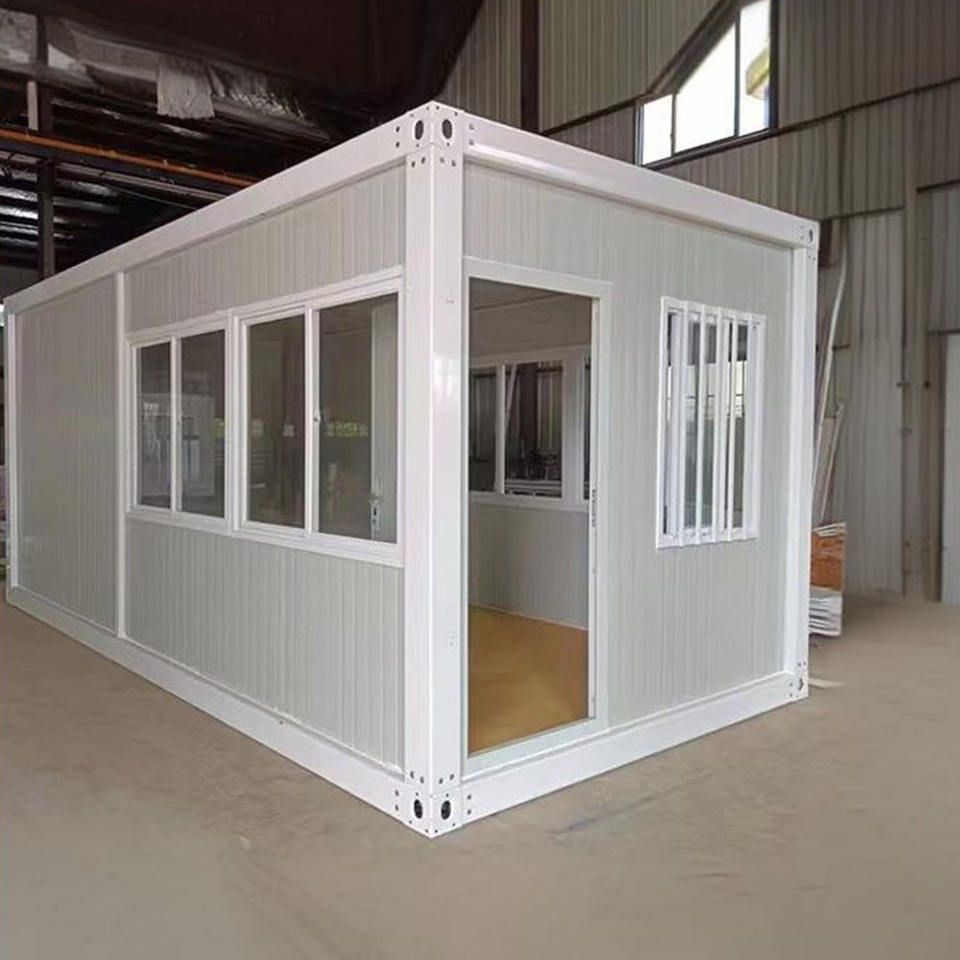
I. Structure and Design Features
Residential container houses take standard containers as prototypes. Walls, top frames, bottom frames, and other components are prefabricated through industrial production methods and quickly assembled on-site using bolts or welding. Its modular design supports flexible combinations, allowing single containers to be used independently or multiple containers to be spliced into contiguous functional areas (such as dormitories, offices, camps, etc.). The internal pipelines are uniformly and neatly arranged, the wall panels are tightly spliced, and the ventilation openings are evenly distributed to optimize air circulation. Some products are also equipped with insulation layers, electrical systems, and doors and windows, providing a level of living comfort close to that of traditional houses.
II. Core Advantages
- Cost and Efficiency: Compared with traditional brick-and-mortar structures, residential container houses have lower costs (ranging from several hundred to a thousand yuan per square meter) and shorter construction periods (completed within a few weeks), significantly reducing labor and material losses.
- Mobility: No fixed foundation is required, and they can be relocated as a whole using cranes, adapting to scenarios with strong temporary or mobile demands.
- Environmental Protection and Sustainability: They use recyclable materials, comply with green building standards, and some manufacturers offer leasing services to reduce resource waste.
- Safety and Durability: The steel structure main body has excellent earthquake and wind resistance. Some products have passed Class A fire certification, with a service life of up to 20 years, and support multiple disassembly, assembly, and transportation operations with extremely low loss rates.
III. Application Scenarios
- Construction Sites: Used as worker dormitories, offices, or material transit houses, enabling rapid deployment and cost control.
- Field Operations: Such as medical and nursing duty points, exploration camps, etc., adapting to harsh environments and facilitating transportation.
- Emergency Disaster Relief: Providing temporary shelter after disasters and quickly offering safe living spaces.
- Commercial and Civil Use: Some cases have transformed them into homestays, cafes, or permanent residences, achieving personalized needs through interior decoration.
IV. Market and Manufacturers
Domestic manufacturers such as Falilai and Qinghai Guangzan Light Steel offer customized services covering the entire chain of design, production, and installation. Some enterprises also provide buy-back or leasing models to reduce customers' initial investment costs. Product prices vary greatly depending on materials, sizes, and configurations, and need to be selected according to specific needs.



