
PE Portable Toilet Rental Contract
No complete contract template specifically tailored for PE portable toilets has been retrieved yet, but the following general terms can be referenced and customized according to their characteristics to draft a contract. The core content is as follows:
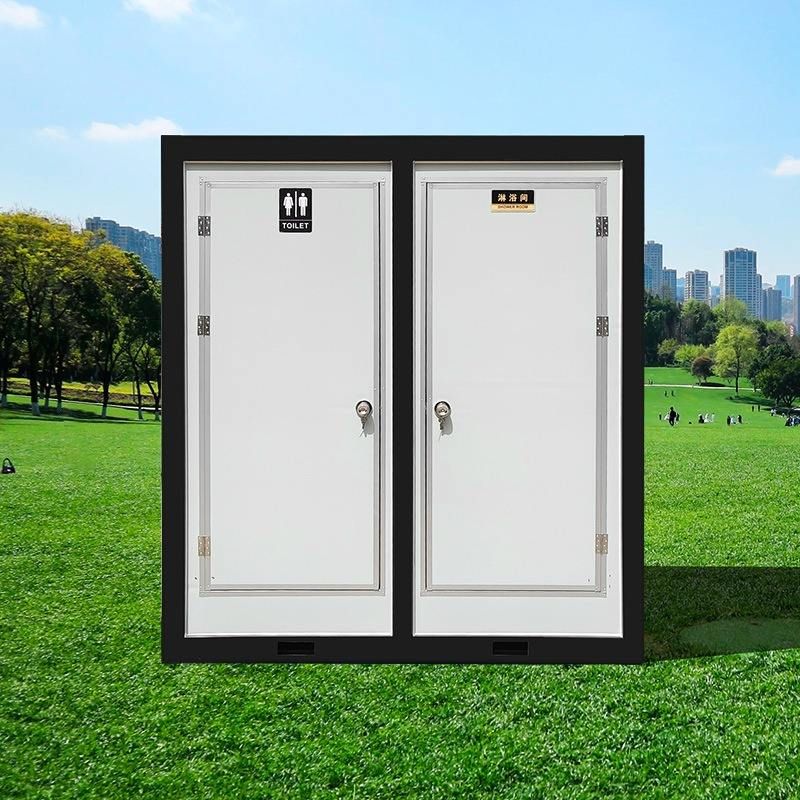
I. Description of the Rented Item The specific parameters of the PE portable toilet need to be clarified:
- Dimensions and Material: For example, with a length, width, and height of 100010502400mm, it is made of high-density polyethylene (PE) environmentally friendly material. The material's recyclability rate (e.g., 92%) and compliance with environmental standards (e.g., GB/T 19001) should be indicated.
- Configuration List: This includes the volume of the fecal storage tank (300L), hand-washing water tank (50L), toilet-flushing water tank (95L), as well as a squat toilet, hand-washing sink, stainless steel paper towel holder, booster pump flushing device, etc.
- Additional Features: It is necessary to specify water-saving flush valves (e.g., a single flush volume of ≤3L), odor control measures (e.g., ventilation openings, deodorization devices), and color options (red or blue).
II. Rental Period and Delivery
- The rental period should clearly specify the start and end dates. After the expiration of the period, the lessee needs to return the equipment and ensure it is in good condition.
- The lessor is responsible for transportation, installation, and disassembly. For conventional models, delivery should be completed within 48 hours, and urgent requests can be expedited through coordination.
- A device list should be attached upon delivery, recording the initial condition (e.g., appearance, functionality) and signed by both parties for confirmation.
III. Rent and Payment
- The rent is calculated based on the actual number of days of use (e.g., XX yuan per day). It should be clarified whether it includes installation fees, removal fees, and consumable costs (e.g., biological agents, cleaning agents).
- Payment method: An advance payment (e.g., 30%) is made after the contract is signed, and the remaining balance is paid off before the end of the rental period. Bank transfers or cash payments are supported.
IV. Responsibilities of Both Parties Responsibilities of the Lessor:
- Provide pressure test and seal inspection reports to ensure the equipment complies with national standards (e.g., GB/T 23858).
- Regularly clean, disinfect, and maintain the equipment, and formulate an inspection plan based on the foot traffic (e.g., once a day).
- Be responsible for the centralized transfer of fecal waste to compliant treatment sites and provide transfer records.
Responsibilities of the Lessee:
- Use the equipment reasonably and prohibit unauthorized modifications or damage (e.g., unauthorized electrical connections, striking the casing).
- Bear the costs of daily maintenance (e.g., cleaning consumables, biological agent replenishment) and retain purchase receipts.
- Prohibit subleasing or using the equipment for illegal activities (e.g., illegal sewage discharge, stacking of hazardous materials).
V. Liability for Breach of Contract
- If the lessor fails to provide the equipment as agreed or causes it to be unusable, they need to pay a penalty (e.g., 200% of the daily rent) and compensate for losses (e.g., event delay costs).
- If the lessee is late in paying the rent or damages the equipment, they need to compensate for the actual losses (e.g., repair costs or the residual value of the equipment).
VI. Other Terms
- The contract takes effect upon the signatures and seals of both parties. It is made in duplicate, and unaddressed matters shall be resolved through negotiation or legal means.
- For long-term cooperation projects, staged settlement and usage review are supported, and preferential terms can be agreed upon (e.g., a 10% discount for a rental period of ≥90 days).
Suggestion: The contract should clearly state the environmental advantages of PE portable toilets (e.g., lightweight, corrosion resistance) and emergency response plans (e.g., a response within 4 hours in case of equipment failure). For complex clauses or legal risks, it is advisable to consult a professional lawyer or refer to the contract template issued by the local market regulatory authority.



